


Frequently asked questions
About this category
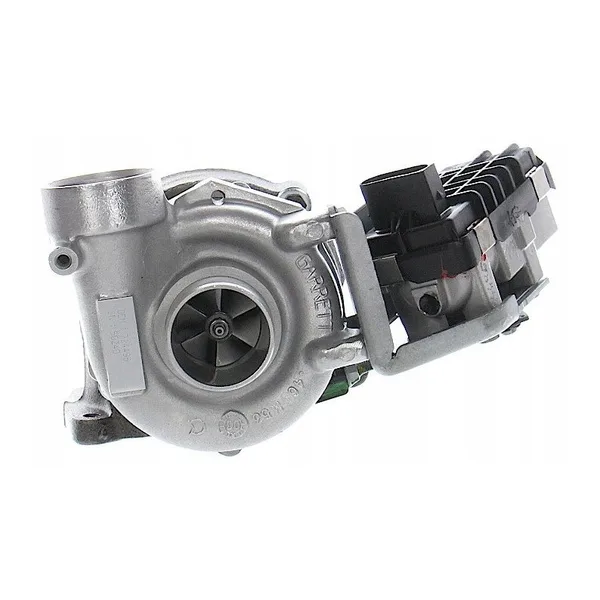
This category serves owners and professionals working with the Mercedes-Benz OM642 400 CDI 260 HP engine, a 3.0-liter V6 diesel powerplant renowned for its torque delivery and reliability in commercial and luxury vehicles. Here, you will find reconditioned turbochargers designed to restore original performance levels, addressing common failure symptoms such as lag, excessive exhaust smoke, or diagnostic trouble codes related to boost pressure. The turbos listed are not generic replacements but precision-engineered units rebuilt to meet or exceed OEM tolerances, ensuring seamless integration with the engine’s air intake and exhaust systems.
The range is curated by a wholesale specialist with direct access to remanufacturing partners, eliminating the inefficiencies of traditional supply chains. Each turbo is selected for its fitment across multiple model years and vehicle configurations, reducing the need for custom sourcing. The focus remains on delivering a product that meets the technical demands of independent garages and DIY enthusiasts alike, without the markup of dealership-sourced parts. This approach ensures that whether you are repairing a fleet vehicle or restoring a classic, the turbocharger arrives ready for installation with minimal additional preparation.
Professional uses by trade
Different users approach turbocharger replacement with distinct priorities, from technical precision to logistical convenience. Garages prioritize bulk availability and traceable quality, while DIY enthusiasts seek clarity on fitment and compatibility. The following breakdown highlights how each group leverages this category to resolve performance issues efficiently.
- Le garagiste independant : Replace a failing turbo on a 2012 Mercedes-Benz Sprinter 316 CDI with OM642 engine, ensuring the new unit matches OEM boost curves and idle stability for immediate roadworthiness.
- L'automobiliste depanne : Diagnose a sudden loss of power in a 2015 Mercedes-Benz E 350 CDI 4Matic, where a worn turbocharger causes excessive black smoke and sluggish acceleration, requiring a direct-fit replacement.
- Le passionne qui fait lui-meme : Source a remanufactured turbo for a 2008 Mercedes-Benz ML 350 CDI, verifying compatibility with the OM642 engine code and preparing for a weekend installation without professional assistance.
- Der deutsche Kaeufer (DACH) : Order a turbocharger for a Mercedes-Benz Vito 119 CDI, ensuring the unit includes a pre-installed wastegate actuator and variable geometry vanes for hassle-free mounting in a commercial vehicle fleet.
- Le garagiste independant : Address a customer complaint of turbo lag in a 2010 Mercedes-Benz GL 350 CDI, selecting a reconditioned unit with a freshly balanced CHRA to restore original throttle response and fuel efficiency.
- L'automobiliste depanne : Replace a turbocharger on a 2013 Mercedes-Benz CLS 350 CDI, where a leaking oil seal causes oil consumption and reduced boost pressure, necessitating a core exchange for the damaged unit.
- Der deutsche Kaeufer (DACH) : Source a turbo for a Mercedes-Benz Viano 3.0 CDI, ensuring the remanufactured unit includes a new cartridge and housing to avoid premature failure in a high-mileage commercial application.
Range comparison
The following turbos are the only models validated for the Mercedes-Benz OM642 400 CDI 260 HP engine, covering multiple vehicle applications and model years. Each unit is presented with its core specifications to guide your selection based on vehicle fitment and performance requirements.
| Range | Use | Format |
|---|---|---|
| Turbo Garrett 724495-5004S | direct fit for Sprinter and Vito models | |
| Turbo Garrett 724496-5004S | fits E-Class and GL-Class sedans |
How to choose
Selecting the right turbocharger involves evaluating several technical and logistical factors beyond mere compatibility. The following criteria help narrow the options to ensure long-term reliability and performance restoration in your Mercedes-Benz OM642 engine.
- Verify the turbocharger’s variable geometry mechanism operates smoothly, as seized vanes are a common cause of boost pressure fluctuations and power loss in OM642 engines.
- Inspect the CHRA cartridge for signs of wear or scoring, as a damaged core will compromise oil sealing and lead to premature failure even in a remanufactured housing.
- Confirm the wastegate actuator responds correctly to boost pressure changes, ensuring the turbo maintains consistent overboost protection across the engine’s operating range.
- Check the oil inlet and outlet ports for cleanliness, as debris in these passages can restrict lubrication and accelerate bearing wear in high-load applications.
- Assess the condition of the compressor and turbine wheels for cracks or erosion, as these defects reduce airflow efficiency and contribute to reduced power output.
- Ensure the turbocharger’s flange surfaces are free of warping or gasket residue, as improper sealing will cause exhaust leaks and trigger diagnostic trouble codes related to boost pressure.
- Review the remanufacturing date stamp on the housing, as turbos rebuilt within the last 12 months offer the highest likelihood of restored performance and longevity in OM642 applications.
Storage & logistics
For wholesale buyers, proper storage of remanufactured turbos is critical to preserving their performance characteristics until installation. Store units in a climate-controlled environment away from direct sunlight and moisture, as temperature fluctuations and humidity can degrade seals and gaskets over time. Keep turbos in their original packaging or equivalent protective crates to prevent physical damage from impacts or vibrations during handling. Label each unit with the model number and remanufacturing date to facilitate stock rotation and traceability. Avoid stacking turbos directly on top of one another, as this can distort the housing or damage the variable geometry mechanism. For long-term storage exceeding six months, consider applying a light coating of protective oil to the CHRA cartridge to prevent corrosion in the bearing housing. Always handle turbos with clean gloves to avoid transferring oils or contaminants that could interfere with the engine’s lubrication system during installation.
Since 2026, our team has rebuilt hundreds of OM642 turbos, focusing on restoring the precise balance between airflow and boost pressure that this engine demands for optimal performance in both commercial and luxury applications.— autoKUR team
Related categories
Browse our other ranges:
Useful references
For regulatory and sector references, see Reglement (UE) 461/2010 — pieces de rechange et garantie constructeur.