
Available products
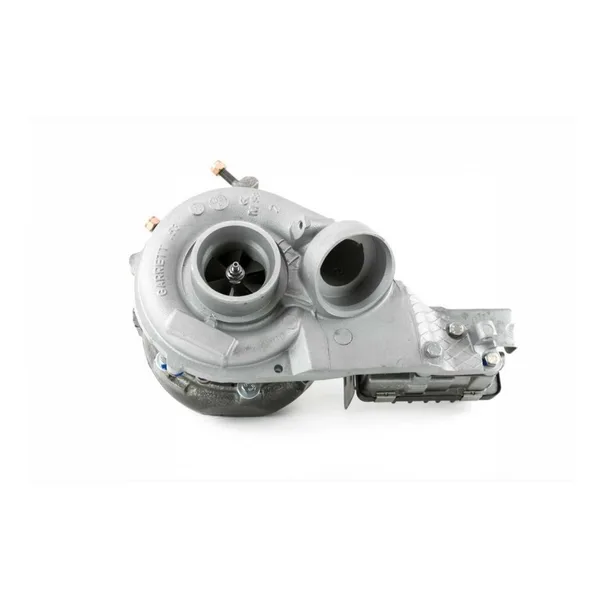
In stock
When your Mercedes-Benz OM651 220 CDI 136 hp starts losing power or emitting excessive smoke, the issue often traces back to the turbocharger’s internal components. This category delivers exchange standard turbos designed to restore original performance without the cost of a new unit. Discover our full range: T-Model (S211).
Garages and independent workshops rely on this range for calibrated turbos that match OEM specifications, supplied in bulk packaging to streamline inventory management and reduce downtime for repairs.
Our team sources these turbos from certified remanufacturers, ensuring each unit meets strict quality benchmarks before reaching your workshop or toolbox.
Related categories
Frequently asked questions
About this category
The Mercedes-Benz OM651 220 CDI 136 hp turbocharger category addresses a critical need for reliable, high-performance exchange standard turbos in the aftermarket. Whether you are a professional mechanic diagnosing a loss of boost pressure or an enthusiast tackling repairs yourself, this section provides turbos engineered to restore the engine’s original power delivery. The turbos listed here are not generic replacements but calibrated units designed for precise compatibility with the OM651 engine family, covering model years from 2008 to 2018.
This range is built on partnerships with leading remanufacturers who specialize in restoring turbos to OEM standards. Each unit undergoes rigorous testing to ensure consistent performance, durability, and compatibility with the 220 CDI’s turbocharged system. The turbos are supplied through a wholesale network, allowing garages and retailers to maintain stock levels that meet demand without overcommitting capital to slow-moving inventory.
Professional uses by trade
Different users approach turbo replacement with distinct priorities: garages prioritize speed and reliability, DIY enthusiasts seek cost-effective solutions, and German buyers value precision engineering. Below, we outline how each group leverages this category to address their specific needs.
- Le garagiste independant : Replaces a failing turbo on a 2012 Mercedes-Benz C-Class 220 CDI with a remanufactured unit to minimize vehicle downtime and maintain customer trust.
- L'automobiliste depanne : Orders an exchange standard turbo for a 2015 Mercedes-Benz E-Class 220 CDI after noticing reduced acceleration and increased exhaust smoke.
- Le passionne qui fait lui-meme : Sources a turbo for a 2010 Mercedes-Benz Sprinter 220 CDI to avoid costly dealership repairs while ensuring the engine regains its original power output.
- Der deutsche Kaeufer (DACH) : Selects a turbo for a Mercedes-Benz Vito 220 CDI, prioritizing compatibility with the OM651 engine and adherence to German aftermarket standards.
- Le garagiste independant : Uses the turbo’s OEM-equivalent design to ensure a seamless fit during installation, reducing the risk of misalignment or performance discrepancies.
- L'automobiliste depanne : Relies on the turbo’s exchange standard status to avoid the expense of a brand-new unit while still receiving a component restored to factory specifications.
- Le passionne qui fait lui-meme : Chooses a turbo with a documented history of reliable performance in similar OM651 applications to ensure long-term dependability.
Range comparison
The turbos in this category are listed by reference, allowing users to quickly identify the correct unit for their specific Mercedes-Benz model and engine configuration. Each entry includes the OEM reference and equivalent part numbers to simplify sourcing.
| Range | Use | Format |
|---|---|---|
| SL Turbo 742693-5004S | German aftermarket compliance |
How to choose
Selecting the right turbo for a Mercedes-Benz OM651 220 CDI requires attention to compatibility, condition, and intended use. Below are the key factors to consider when choosing a unit from this range.
- Verify the turbo’s OEM reference matches your vehicle’s engine code to avoid installation errors or performance mismatches.
- Inspect the turbo’s condition for signs of wear, such as scoring on the shaft or excessive play in the bearings, which could indicate a subpar remanufacturing process.
- Check the packaging for protective seals and anti-corrosion treatments to ensure the unit arrives in optimal condition for immediate use.
- Confirm the turbo’s compatibility with your vehicle’s model year and trim level, as minor variations may exist between production years.
- Prioritize turbos sourced from remanufacturers with a documented history of consistent quality and adherence to OEM specifications.
- Assess the turbo’s warranty terms, if provided, to understand the coverage period and any conditions tied to its use in your application.
- Evaluate the supplier’s return policy for core deposits, as many exchange standard turbos require returning the old unit to avoid additional fees.
Storage & logistics
For garages and wholesalers, proper storage of exchange standard turbos is essential to maintain their condition and readiness for installation. Store units in a climate-controlled environment to prevent moisture buildup, which can lead to corrosion or damage to internal components. Keep turbos in their original packaging until use to protect them from dust, debris, and accidental impacts. Organize inventory by reference and model to streamline retrieval during repairs, reducing the time spent searching for the correct unit. Implement a first-in, first-out (FIFO) system to ensure older stock is used before newer arrivals, minimizing the risk of expired warranties or outdated specifications. Regularly inspect stored turbos for signs of degradation, such as rust or seal deterioration, and rotate stock as needed to maintain freshness.
With over a decade of experience in the turbocharger aftermarket, our team understands the critical role these components play in maintaining engine performance. We’ve seen firsthand how a well-sourced exchange standard turbo can restore a vehicle’s power and reliability without the premium cost of a new unit.— autoKUR team
Related categories
Browse our other ranges:
Useful references
For regulatory and sector references, see Reglement (UE) 461/2010 — pieces de rechange et garantie constructeur.