
Available products
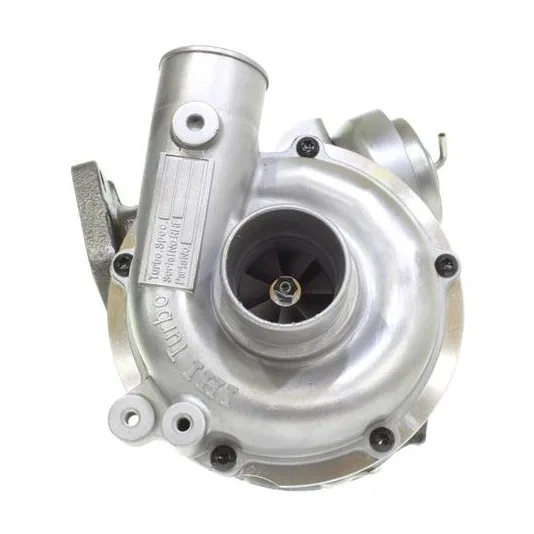
In stock
For the MAZDA MPV 2 in 2.0 DI 136 hp (100 kW diesel), the autoKUR catalogue holds 1 exchange-standard reference(s). At equal displacement, two outputs do not call for the same part.
Engine specification: 1998 cm³, diesel, built from 07/2002 to 02/2006. Matching part number: VJ32 (IHI). Compare with the code stamped on your part.
Other engines of the MAZDA MPV 2: 2.5 TD 116 hp. If the code stamped on your part is legible, search by reference remains the safest route. 24-month warranty.
Related categories
Frequently asked questions
About this category
The 2.0 DI 136 hp diesel turbocharger category serves a diverse audience, from independent garages repairing daily drivers to passionate motorists restoring classic or high-mileage vehicles. This range includes remanufactured turbos designed to replace worn-out units, ensuring restored engine performance without the cost of a new OEM part. The turbos listed here are specifically engineered for diesel engines producing 136 horsepower, covering a wide array of vehicle makes and models from the early 2000s to recent years.
This range is built to address the needs of both professionals and enthusiasts by partnering with trusted remanufacturers who specialize in diesel turbochargers. The turbos are sourced from suppliers with decades of expertise in core remanufacturing, ensuring that each unit meets strict quality standards. The role of the wholesaler in this process is to provide a curated selection of turbos that are pre-tested for compatibility, reducing downtime for garages and motorists alike.
Professional uses by trade
Different users approach the 2.0 DI 136 hp turbocharger category with distinct priorities, whether it’s restoring a vehicle’s performance, meeting workshop deadlines, or ensuring long-term reliability. Garages prioritize compatibility and quick turnaround, while DIY enthusiasts focus on ease of installation and cost efficiency.
- Le garagiste independant : Replace a failing turbo on a Renault Laguna 2.0 dCi 136 to avoid prolonged vehicle downtime and customer dissatisfaction.
- Le garagiste independant : Source a remanufactured turbo for a Peugeot 407 2.0 HDi 136 to meet workshop efficiency targets without compromising on quality.
- L'automobiliste depanne : Find a cost-effective turbo replacement for a broken-down Ford Mondeo 2.0 TDCi 136 to get back on the road quickly.
- L'automobiliste depanne : Purchase an exchange standard turbo for a Volkswagen Passat 2.0 TDI 136 to avoid the high cost of a new OEM unit.
- Le passionne qui fait lui-meme : Install a remanufactured turbo on a BMW 320d E90 to restore lost power and improve fuel efficiency.
- Le passionne qui fait lui-meme : Replace a faulty turbo on a Opel Vectra C 2.0 CDTI 136 as part of a full engine restoration project.
- Der deutsche Kaeufer (DACH) : Order a turbo for a Mercedes C-Klasse 2.0 CDI 136 to ensure long-term reliability and performance in daily driving conditions.
Range comparison
The following turbos are specifically designed for the 2.0 DI 136 hp diesel engine, covering a range of vehicle makes and models. Each unit is listed with its exact reference to ensure precise compatibility and ease of ordering.
| Range | Use | Format |
|---|---|---|
| Turbo IHI VJ32 | direct replacement for Renault and Nissan models |
How to choose
Selecting the right turbo for a 2.0 DI 136 hp engine requires attention to several key factors, including compatibility, condition, and packaging. Professionals must ensure the unit matches the vehicle’s motorization and power output to avoid installation issues.
- Verify the turbo’s compatibility with the vehicle’s make, model, and engine code to ensure a perfect fit and avoid costly mistakes.
- Check the condition of the turbo’s core, including the CHRA and cartridge, to confirm it meets remanufacturing standards for durability.
- Assess the packaging for protection during transit, especially for international shipments, to prevent damage before installation.
- Prioritize turbos with a consistent remanufacturing process, as this ensures balanced performance and longevity in high-mileage engines.
- Consider the availability of exchange cores, as returning a used turbo can reduce costs and support sustainable practices.
- Evaluate the supplier’s return policy for defective units, ensuring quick replacements to minimize workshop downtime.
- Review the turbo’s compatibility with the vehicle’s ECU and sensor systems to avoid post-installation issues like error codes or limp mode.
Storage & logistics
Storing remanufactured turbos for the 2.0 DI 136 hp category requires controlled conditions to maintain their condition and performance. Units should be kept in a dry, temperature-regulated environment to prevent moisture damage or corrosion to the CHRA and cartridge. For bulk storage, use shelving with adequate spacing to allow air circulation and avoid stacking heavy items on top of the turbos. Regular inventory checks are essential to track stock rotation and ensure older units are used first, maintaining freshness and reliability. When handling turbos, wear gloves to avoid transferring oils or contaminants that could affect performance. For international shipments, use moisture-absorbing packets and sturdy packaging to protect against transit damage.
With over a decade of experience in turbo remanufacturing, our team has seen firsthand how a well-chosen turbo can transform a struggling diesel engine into a reliable powerhouse. We focus on delivering units that meet the demands of both professionals and enthusiasts, ensuring every installation restores performance without compromise.— autoKUR team
Related categories
Browse our other ranges:
Useful references
For regulatory and sector references, see Reglement (UE) 461/2010 — pieces de rechange et garantie constructeur.