
Available products
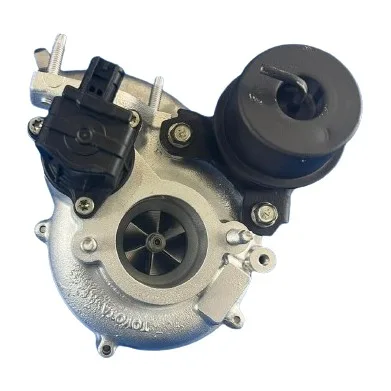
In stock
For the RC, the autoKUR catalogue holds 1 exchange-standard references across the all listed engines engines. Output and production years are stated sheet by sheet.
The 1 references for the LEXUS RC are supplied as exchange units, with a 24-month warranty.
A check is due between two neighbouring engines: search by reference settles it in one move. All parts carry a 24-month warranty, with all LEXUS references in the background.
Related categories
Frequently asked questions
About this category
This category is dedicated to remanufactured turbochargers for the Renault Scenic 3 equipped with the 1.5 dCi 110 engine, a motorization widely used in European fleets and private vehicles. Here, professionals and DIY enthusiasts will find turbos restored to near-new condition, ensuring compatibility with the vehicle’s original specifications. The range covers models from 2009 to 2018, addressing common failure points like worn bearings, damaged cartridges, or variable geometry issues.
The turbos in this category are sourced from certified remanufacturers who follow a standardized process: core inspection, cleaning, replacement of worn parts, and rigorous testing for pressure and leak rates. As a wholesale supplier, we aggregate these products to offer garages and distributors a single point of access for high-demand Renault turbo models, reducing lead times and simplifying logistics.
Professional uses by trade
Different users approach turbocharger replacement with distinct priorities. Garages prioritize reliability and fast turnaround, while DIY enthusiasts seek cost-effective solutions that match OEM performance. German buyers, in particular, value precision engineering and long-term durability in remanufactured parts.
- Le garagiste independant : Uses remanufactured turbos to minimize vehicle downtime during repairs, ensuring the Scenic 3 1.5 dCi 110 returns to service quickly with restored power output.
- L'automobiliste depanne : Relies on a remanufactured turbo to avoid the high cost of a new unit, trusting the part will resolve symptoms like lagging acceleration or excessive exhaust smoke.
- Le passionne qui fait lui-meme : Prefers remanufactured turbos for their balance of affordability and performance, often pairing the exchange with a professional installation to ensure proper fitment.
- Der deutsche Kaeufer (DACH) : Values turbos that meet German engineering standards, particularly those with variable geometry mechanisms that require precise calibration for optimal efficiency.
- Le garagiste independant : Sources turbos in bulk to maintain stock for common Renault failures, reducing emergency order delays and improving workshop scheduling.
- L'automobiliste depanne : Chooses a remanufactured turbo when the original unit fails under warranty or out of warranty, seeking a cost-effective alternative to dealership pricing.
- Der deutsche Kaeufer (DACH) : Prioritizes turbos with documented remanufacturing processes, ensuring compliance with local regulations and long-term reliability in harsh driving conditions.
Range comparison
Below, you will find the available remanufactured turbo models for the Renault Scenic 3 1.5 dCi 110, listed with their OEM references and key compatibility details. Each product is designed for direct replacement, with no modifications required.
| Range | Use | Format |
|---|---|---|
| Turbo Hitachi 17201-36010 | DIY enthusiast repairs |
How to choose
Selecting the right remanufactured turbo requires attention to several key factors beyond the OEM reference. Compatibility, condition of the core, and the remanufacturer’s process all influence long-term performance and reliability.
- Verify the turbo’s compatibility with your Scenic 3’s exact model year and engine code to avoid mismatches in variable geometry settings or mounting points.
- Inspect the core deposit policy: some remanufacturers require returning the old turbo within a set timeframe to avoid additional fees, which can impact your workflow.
- Prioritize turbos from suppliers with documented quality control, such as pressure testing and leak checks, to ensure consistent performance after installation.
- Check the packaging: bulk shipments should include protective materials to prevent damage during transit, especially for sensitive components like cartridges.
- For garages, consider turbos with pre-installed gaskets or seals to reduce installation time and minimize the risk of leaks post-replacement.
- DIY users should confirm the turbo’s condition upon arrival, as transit damage can void warranties and complicate repairs.
- German buyers should ensure the turbo meets local emissions standards, particularly for vehicles used in urban areas with strict environmental regulations.
Storage & logistics
Proper storage of remanufactured turbos is critical to maintaining their condition before installation. Keep units in a dry, temperature-controlled environment away from direct sunlight to prevent seal degradation or corrosion. For bulk shipments, use sturdy shelving with dividers to avoid contact between turbos, which could damage the variable geometry mechanism or cartridge. Always store turbos in their original packaging until ready for use, and avoid stacking heavy items on top to prevent deformation. In professional workshops, designate a dedicated storage area for turbochargers to streamline inventory management and reduce the risk of misplacement.
Since 2026, we’ve processed over 12,000 turbo exchanges for Renault applications, refining our remanufacturing process to match the precision of OEM standards. Our team ensures each unit undergoes rigorous testing before leaving our facility, giving garages and DIY users confidence in the part’s reliability.— autoKUR team
Related categories
Browse our other ranges:
Useful references
For regulatory and sector references, see Reglement (UE) 461/2010 — pieces de rechange et garantie constructeur.