
Available products
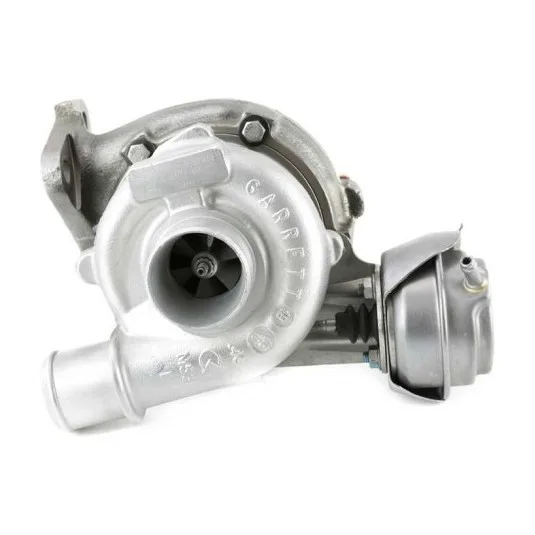
In stock
For the HONDA Civic 7 in 1.7 CTDI 100 hp (74 kW diesel), the autoKUR catalogue holds 1 exchange-standard reference(s). At equal displacement, two outputs do not call for the same part.
Engine specification: 1686 cm³, diesel, built from 01/2002 to 09/2005. Matching part number: 721875-5005S (Garrett). Compare with the code stamped on your part.
This is the only listed engine of the HONDA Civic 7. The code stamped on your part confirms the match: search by reference. 24-month warranty.
Frequently asked questions
About this category
The 1.7 CTDI 100 HP diesel engine, found in models from major manufacturers, relies on a precisely engineered turbocharger to deliver optimal power and efficiency. This category includes turbos designed for direct replacement, whether your vehicle is a compact van, a family sedan, or a utility vehicle. Whether you're a professional mechanic sourcing parts in bulk or a car owner tackling a repair yourself, finding a turbo that matches your motorization’s specifications is essential for restoring performance. The turbos listed here are built to handle the demands of this engine family, with cores remanufactured to original equipment standards.
This range is curated to meet the needs of both professionals and enthusiasts, with a focus on compatibility and durability. Each turbo is selected based on its fitment across multiple vehicle models sharing the 1.7 CTDI 100 HP platform, ensuring broad applicability. The supply chain is managed by a wholesale specialist, delivering consistent availability and competitive pricing. By sourcing from reputable remanufacturers, we ensure that every turbo meets the performance expectations of this engine category, whether for a single repair or a larger maintenance project.
Professional uses by trade
Different users approach turbo replacement with distinct priorities, whether it’s minimizing downtime, ensuring long-term reliability, or balancing cost with quality. Garages need parts that install quickly and perform consistently, while DIY enthusiasts may prioritize ease of access and clear compatibility. German buyers, in particular, often seek turbos that align with local repair standards and availability. Below, we outline how each group can leverage this category to address their specific needs.
- Garagist : Replace a failing turbo with a remanufactured unit that matches OEM specifications, restoring power delivery and fuel efficiency without costly delays. The turbo must fit seamlessly into the existing engine bay, ensuring no modifications are required during installation.
- DIY enthusiast : Source a turbo that comes with clear compatibility notes, allowing for a straightforward replacement without specialized tools or professional assistance. The part should include all necessary mounting hardware and gaskets for a hassle-free swap.
- German buyer (DACH) : Select a turbo that adheres to local repair practices, with documentation in German and a focus on brands recognized in the European market. The part should be available for quick delivery to avoid extended vehicle downtime.
- Fleet manager : Order turbos in bulk to maintain a consistent stock of remanufactured units, ensuring minimal disruption to service schedules. The turbos should be tested for durability under high-mileage conditions to reduce repeat failures.
- Breakdown service : Keep a range of turbos on hand for emergency replacements, prioritizing parts with verified geometry and clean oil passages to prevent immediate repeat failures.
- Performance tuner : Choose a turbo that supports the engine’s power potential while maintaining reliability, even under modified conditions. The part should be compatible with the vehicle’s existing fuel and air systems without requiring extensive adjustments.
- Used car buyer : Verify that the turbo is in good condition before purchasing a vehicle, as a failing unit can lead to costly repairs. The part should be inspected for signs of wear or oil leaks to avoid hidden expenses.
- Rental fleet operator : Maintain a rotating stock of turbos to replace units as they wear out, ensuring vehicles remain operational. The turbos should be sourced from suppliers with a track record of consistent quality and quick turnaround.
Range comparison
Below, you’ll find a selection of turbos specifically designed for the 1.7 CTDI 100 HP engine family. Each option is presented with its core specifications, ensuring you can identify the best fit for your motorization. The table highlights compatibility, format, and intended use to simplify your decision-making process.
| Range | Use | Format |
|---|---|---|
| Turbo Garrett 721875-5005S | emergency stock for breakdown services |
How to choose
Selecting the right turbo for your 1.7 CTDI 100 HP engine involves more than just matching the part number. Consider the condition of the core, the remanufacturing process, and the supplier’s reputation for consistency. Below, we outline the key factors to evaluate before making your purchase.
- Core condition : Inspect the turbo’s housing and CHRA for signs of wear, such as scoring or corrosion, to ensure it meets remanufacturing standards. A well-maintained core reduces the risk of premature failure after installation.
- Remanufacturing process : Verify that the turbo has undergone a thorough remanufacturing process, including cleaning, inspection, and replacement of worn components. This ensures the part delivers consistent performance over time.
- Compatibility notes : Check the turbo’s fitment across multiple vehicle models to confirm it matches your motorization’s specifications. The part should align with the engine’s power output and boost requirements.
- Supplier reliability : Choose a supplier with a track record of delivering high-quality remanufactured turbos on time. Consistent availability and competitive pricing are critical for professional users.
- Packaging and handling : Ensure the turbo is packaged securely to prevent damage during transit, especially for bulk orders. Proper handling reduces the risk of defects upon arrival.
- Documentation and support : Look for turbos that come with clear compatibility notes and technical support from the supplier. This is particularly important for DIY enthusiasts and smaller garages.
- Rotation and stock management : For businesses, prioritize turbos from suppliers with a rotating stock system, ensuring you always have access to fresh, tested units. This minimizes the risk of receiving outdated or poorly remanufactured parts.
Storage & logistics
For businesses managing a stock of turbos for the 1.7 CTDI 100 HP range, proper storage is essential to maintain part integrity and extend shelf life. Store turbos in a clean, dry environment away from direct sunlight and temperature extremes, as these can degrade seals and housings over time. Use original packaging or protective covers to prevent dust and moisture from accumulating on critical surfaces like the CHRA or wastegate. For bulk orders, implement a first-in, first-out (FIFO) system to ensure older stock is used before newer arrivals, reducing the risk of parts sitting unused for extended periods. Regularly inspect stored turbos for signs of corrosion or damage, and rotate stock as needed to maintain a fresh supply. Suppliers with climate-controlled warehouses can provide additional assurance that parts arrive in optimal condition, minimizing the risk of defects during installation.
With over a decade of experience in sourcing remanufactured turbos, our team understands the critical role these components play in keeping diesel engines running smoothly. We’ve seen firsthand how a well-chosen turbo can restore power and efficiency, even in high-mileage vehicles. Our focus has always been on delivering parts that meet the demands of professionals and enthusiasts alike, ensuring reliability without compromise.— autoKUR team
Related categories
Browse our other ranges:
Useful references
For regulatory and sector references, see Reglement (UE) 461/2010 — pieces de rechange et garantie constructeur.