

Available products
3 references
Frequently asked questions
About this category
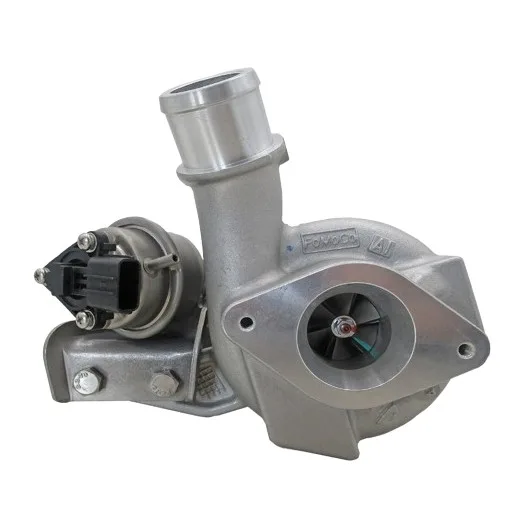
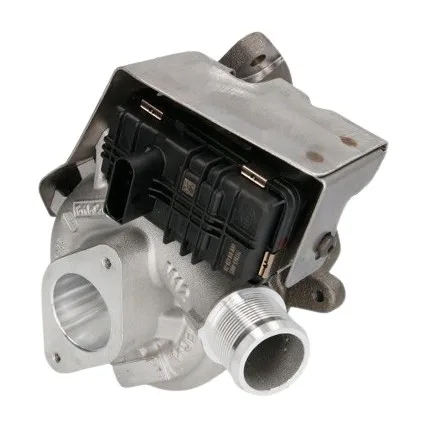
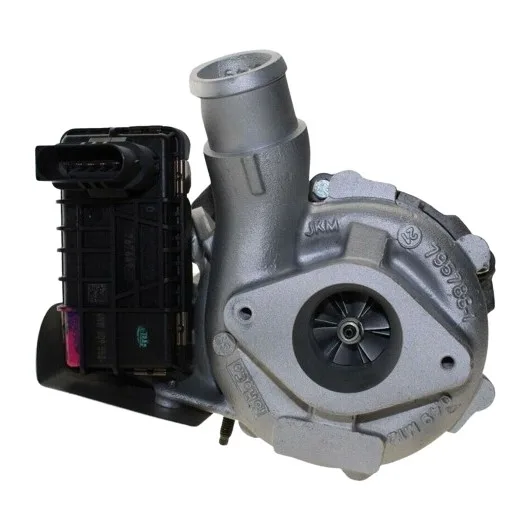
The 2.2 TDCi 131 hp turbocharger category addresses a common failure point in diesel engines, where loss of boost pressure or abnormal noises signal the need for replacement. This range is designed for mechanics, car owners, and enthusiasts who prioritize efficiency and affordability. Here, you’ll find turbos specifically engineered for the 131 horsepower variant, ensuring seamless integration with the vehicle’s existing systems.
Curated from a network of remanufacturing specialists, this range is built to meet the rigorous standards of the 2.2 TDCi platform. The turbos undergo a standardized process to restore their original performance, with a focus on compatibility and longevity. This approach allows garages and private buyers to access high-quality parts without the premium of new OEM components.
Professional uses by trade
Different users approach turbo replacement with distinct priorities: garages need reliability and bulk availability, stranded motorists seek quick solutions, DIYers value compatibility, and German buyers expect precision engineering. Each group finds tailored options in this category.
- Independent garages: Source turbos with verified OEM equivalences to minimize diagnostic errors and reduce turnaround times for customers.
- Stranded motorists: Purchase a remanufactured turbo to resolve sudden power loss or excessive exhaust smoke without visiting a dealership.
- DIY enthusiasts: Find turbos that match their engine’s specifications, allowing them to perform the replacement themselves with confidence.
- German buyers (DACH): Select turbos designed for the 2.2 TDCi 131 hp, ensuring compatibility with local vehicle models and regulatory standards.
- Workshop managers: Order turbos in bulk to maintain stock levels for common failures, reducing downtime for repeat customers.
- Fleet operators: Replace failing turbos in company vehicles to restore performance and avoid costly repairs.
- Classic car restorers: Source turbos for older 2.2 TDCi models where new parts are no longer available.
Range comparison
The following turbos are specifically calibrated for the 2.2 TDCi 131 hp engine, covering a range of OEM references and aftermarket equivalents. Each option is presented with its core details to simplify selection.
| Range | Use | Format |
|---|---|---|
| SL Turbo 854800-5001W | Direct fit for Ford models | |
| SL Turbo 831157-5007S | Universal application for diesel engines | |
| Turbo Mitsubishi 49131-06320 | Compatible with Mitsubishi variants |
How to choose
Selecting the right turbo for the 2.2 TDCi 131 hp requires attention to compatibility, condition, and intended use. Professionals and private buyers alike should evaluate these key factors to ensure a successful replacement.
- Verify the turbo’s OEM reference or equivalent to confirm compatibility with your vehicle’s engine code and model year.
- Check the condition of the turbo: exchange standard units should show no signs of excessive wear or damage to the housing or shaft.
- Assess the packaging: turbos should arrive in protective, anti-static materials to prevent contamination during storage or transport.
- Confirm the presence of a core deposit system: this ensures a smooth return process for your old turbo, reducing costs.
- Evaluate the remanufacturing process: look for turbos that undergo rigorous testing for balance, seal integrity, and performance restoration.
- Consider the warranty terms: while not a deliver, a transparent policy reflects confidence in the product’s durability.
- Review the supplier’s rotation policy: fresh stock ensures you receive a turbo that hasn’t been sitting in storage for extended periods.
Storage & logistics
For garages and bulk buyers, proper storage of exchange standard turbos is essential to maintain their condition until installation. Keep units in a dry, temperature-controlled environment away from direct sunlight and contaminants. Store turbos in their original packaging or equivalent protective cases to prevent damage to the shaft or housing. Label each unit with the OEM reference and model compatibility to streamline inventory management. Avoid stacking turbos directly on top of one another, as this can lead to misalignment or stress on the housing. Regularly inspect stored turbos for signs of corrosion or moisture ingress, especially in humid climates.
With over a decade of experience in turbo remanufacturing, our team ensures every 2.2 TDCi 131 hp turbo meets the highest standards of precision and reliability. We don’t just sell parts—we restore performance for professionals and enthusiasts alike.— autoKUR team
Related categories
Browse our other ranges:
Useful references
For regulatory and sector references, see Reglement (UE) 461/2010 — pieces de rechange et garantie constructeur.