

Frequently asked questions
About this category
The 1.9 TDI 110 hp turbo category serves owners and technicians dealing with Volkswagen Group engines found in models like the Golf IV, Passat B5, or Audi A3. This segment focuses exclusively on exchange standard turbocompressors, designed to match the original equipment’s performance while offering a cost-effective alternative to new parts. Whether you’re a mechanic sourcing for a client or a driver facing a sudden loss of power, this range provides the right solution.
Each turbo in this category is selected from a network of remanufacturers specializing in Volkswagen Group applications. The grossist role ensures that garages and private buyers access consistent quality without the markup of branded dealerships. Stock rotation follows strict criteria to deliver freshness and reliability for every order.
Professional uses by trade
Different users approach the 1.9 TDI 110 hp turbo exchange standard category with distinct priorities. Garages prioritize bulk availability and traceability, while DIY enthusiasts seek clear compatibility and straightforward returns. German buyers, in particular, value precision in fitment and adherence to OEM-like standards.
- Le garagiste independant : Uses exchange standard turbos to minimize downtime for customers, pairing the part with a core deposit to streamline the return of the faulty unit.
- L'automobiliste depanne : Relies on pre-verified turbos to address sudden power loss or excessive smoke, ensuring a quick fix without visiting a dealership.
- Le passionne qui fait lui-meme : Prefers turbos with clear OEM references to match their engine’s specifications, often opting for core deposit options to reduce costs.
- Der deutsche Kaeufer (DACH) : Values turbos that meet Volkswagen Group’s original performance benchmarks, with packaging designed for easy handling in workshop environments.
- Le garagiste independant : Selects turbos based on long-term reliability, favoring suppliers with a track record in remanufactured components for this engine family.
- L'automobiliste depanne : Chooses turbos that come with straightforward installation notes, reducing the risk of misfit during a roadside repair.
- Der deutsche Kaeufer (DACH) : Prioritizes turbos with clear documentation of remanufacturing processes, ensuring compliance with local workshop standards.
Range comparison
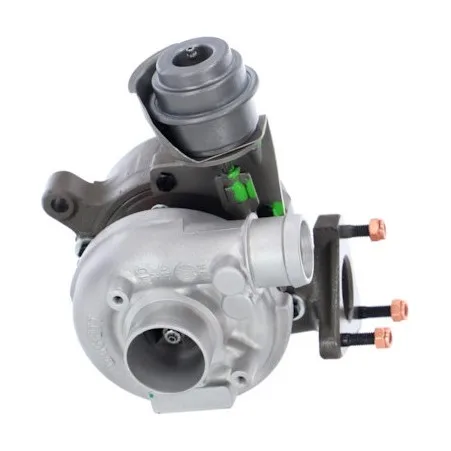
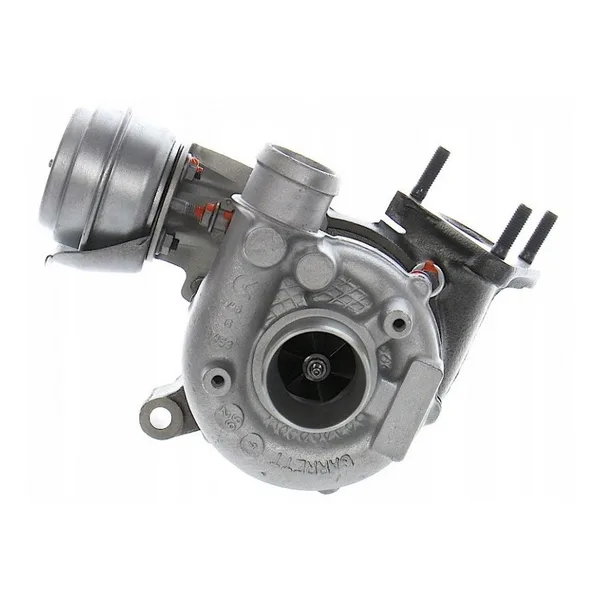
The following turbos are curated for the 1.9 TDI 110 hp category, each selected for its compatibility and remanufacturing quality. The table below highlights their key attributes for professional and private buyers.
| Range | Use | Format |
|---|---|---|
| Turbo Garrett 454183-5004S | Direct replacement for high-mileage engines | |
| Turbo Garrett 701855-5008S | Optimized for performance-oriented repairs |
How to choose
Selecting the right turbo for a 1.9 TDI 110 hp engine requires attention to several key factors. Professionals and enthusiasts alike should evaluate fitment, remanufacturing quality, and core deposit policies to ensure a smooth transaction.
- Verify the turbo’s compatibility with your vehicle’s exact model year and engine code to avoid mismatches in geometry or output.
- Check the remanufacturing process used—look for units that undergo thorough testing for leaks, balance, and bearing wear before listing.
- Prioritize turbos with clear OEM references to ensure they meet the original equipment’s performance thresholds.
- Opt for suppliers offering core deposit options to simplify the return of your old turbo and reduce upfront costs.
- Evaluate packaging quality, as improper storage can compromise the turbo’s condition during transit or storage.
- Consider the supplier’s rotation policy; fresher stock reduces the risk of hidden defects or premature wear.
- For high-volume orders, assess the supplier’s ability to provide consistent lead times and batch traceability.
Storage & logistics
Proper storage of exchange standard turbos is essential to maintain their condition before installation. Keep units in their original packaging or a clean, dry environment to prevent contamination from dust or moisture. For garages, organize stock by engine family and model year to streamline picking and reduce errors. Avoid stacking turbos directly on top of each other, as this can damage the housing or impeller. If storing for extended periods, use desiccant packs in sealed containers to control humidity. Always inspect turbos for damage or corrosion before installation, even if they appear undamaged upon receipt.
With over a decade in the exchange standard market, our team has seen how a well-matched turbo can restore a 1.9 TDI 110 hp’s performance without the expense of a dealership repair. We source only from remanufacturers who treat each unit as if it were going into a new engine.— autoKUR team
Related categories
Browse our other ranges:
Useful references
For regulatory and sector references, see Reglement (UE) 461/2010 — pieces de rechange et garantie constructeur.