

Available products
4 references


Frequently asked questions
About this category
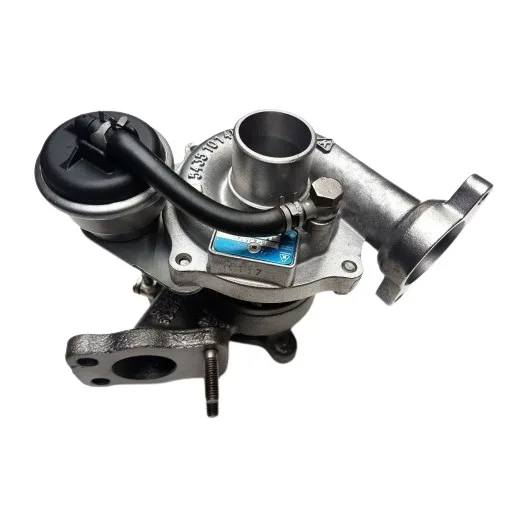
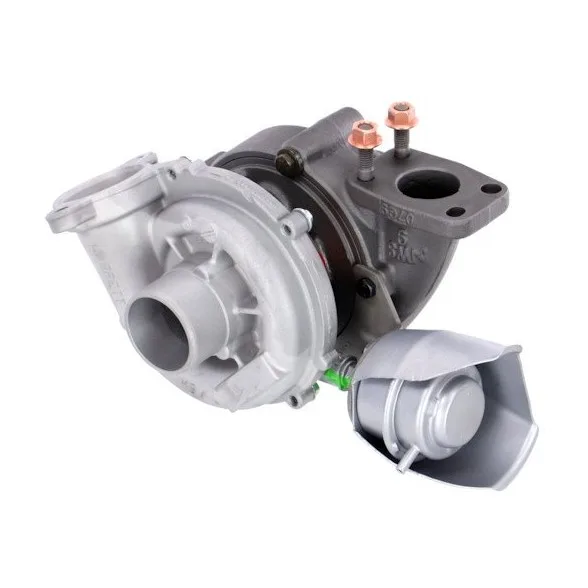
The turbocharger exchange standard category addresses a universal challenge in vehicle maintenance: replacing a worn or damaged turbocharger without incurring the prohibitive cost of a new unit. This section is designed for mechanics, DIY repairers, and vehicle owners who prioritize efficiency and affordability. Here, you’ll find remanufactured turbos that meet or exceed OEM specifications, with clear motorization compatibility and no hidden service fees. The focus remains solely on the product—its condition, fitment, and performance—ensuring you make an informed decision based on technical data, not marketing promises.
This range is built on a wholesale model, sourcing turbos from certified remanufacturers and aligning them with the most common vehicle applications in Europe. The grossist role ensures that workshops and private buyers access the same high-quality components at competitive rates, with stock rotation managed to prevent obsolescence. Each turbo is selected for its compatibility with specific engine codes, power outputs, and model years, eliminating guesswork for the end user.
Professional uses by trade
Different users approach turbocharger replacement with distinct priorities: garages need reliability and bulk availability, while DIY enthusiasts seek simplicity and cost savings. Below, we outline how each group can leverage this category to resolve turbo-related issues efficiently.
- Independent garage: Replace a failing turbo on a Renault Scenic 3 1.5 dCi 110 without waiting for OEM parts, using a remanufactured unit like SL Turbo 5435 988 0009.
- DIY repairer: Diagnose a whistling noise under the hood by identifying the correct turbo model for a VW Golf 2.0 TDI, then order the exchange standard unit directly.
- Passionate mechanic: Restore a classic diesel engine’s performance by sourcing a Garrett 753420-5006S turbo for a Ford Focus 1.8 TDCi, ensuring long-term reliability.
- German buyer (DACH): Address a sudden loss of power in a BMW 320d by selecting a turbo with the exact OEM reference, avoiding unnecessary downtime.
- Workshop manager: Maintain a steady inventory of exchange standard turbos for popular models like the Peugeot 308 1.6 HDi, reducing emergency order costs.
- Vehicle owner: Replace a smoking turbo on a Citroen C4 1.6 HDi 110 with a remanufactured unit, restoring fuel efficiency and drivability.
- Professional mechanic: Use a SL Turbo 49173-07508 for a Mercedes Sprinter 2.1 CDI, ensuring compatibility with the engine’s variable geometry system.
Range comparison
Below, you’ll find a curated selection of exchange standard turbos, each matched to specific vehicle models, engine codes, and power outputs. These units are sourced from reputable remanufacturers and are ready for immediate installation.
| Range | Use | Format |
|---|---|---|
| SL Turbo 5435 988 0009 | Renault Scenic 3 1.5 dCi 110 | |
| Turbo Garrett 753420-5006S | VW Golf 2.0 TDI | |
| SL Turbo 5435 988 7000 | Peugeot 308 1.6 HDi | |
| SL Turbo 49173-07508 | BMW 320d |
How to choose
Selecting the right turbocharger for your vehicle requires attention to motorization specifics, condition, and intended use. Below are key criteria to guide your decision, ensuring optimal performance and longevity.
- Verify the engine code and power output to match the turbo’s specifications, avoiding mismatches that could lead to premature failure.
- Prioritize turbos with a remanufactured cartridge and CHRA, as these components are critical to the unit’s performance and durability.
- Check for variable geometry compatibility if your engine uses this technology, ensuring seamless integration with the vehicle’s systems.
- Opt for units with clear OEM references or equivalent part numbers, simplifying the replacement process for professionals and DIYers alike.
- Consider the packaging format—bulk boxes for workshops, single units for private buyers—to align with your operational needs.
- Evaluate the remanufacturer’s reputation and testing protocols, as these factors influence the turbo’s reliability over time.
- Assess the return policy for core deposits, which can reduce upfront costs while ensuring proper recycling of the old unit.
Storage & logistics
For workshops, storing exchange standard turbos requires controlled conditions to prevent contamination or damage. Keep units in their original packaging until installation, away from moisture and direct sunlight. Pallets should be stacked securely to avoid crushing, and cartons should be labeled clearly with motorization details. Regular inventory checks ensure FIFO rotation, preventing obsolescence and maintaining stock freshness. For private buyers, a dry, temperature-stable environment is sufficient, with the turbo stored in its protective casing until use.
With over a decade in the turbocharger remanufacturing sector, our team has seen firsthand how exchange standard units restore performance without breaking the bank. We don’t just sell turbos—we provide the data and support to ensure the right fit every time.— autoKUR team
Related categories
Browse our other ranges:
Useful references
For regulatory and sector references, see Reglement (UE) 461/2010 — pieces de rechange et garantie constructeur.