


Frequently asked questions
About this category
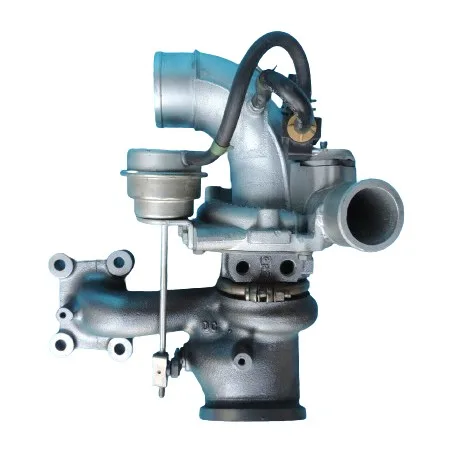
The Ford 2.0 EcoBoost 250 hp turbo exchange standard category addresses a critical gap in the aftermarket: drivers and technicians need turbos that match the engine’s original performance without the premium of a brand-new unit. This range includes remanufactured turbos designed for direct fitment, covering model years where the turbo’s geometry variable or CHRA assembly shows signs of wear. Whether you’re a garage managing multiple repairs or a DIY mechanic tackling a weekend project, these turbos restore power delivery and fuel efficiency while avoiding the complexity of sourcing OEM parts.
This range is built around BorgWarner’s KKK 5303 series, a benchmark in remanufactured turbos for the 2.0 EcoBoost platform. The units are sourced from suppliers who specialize in core recovery and remanufacturing, ensuring each turbo meets the same performance standards as the original. The grossist role here is to streamline access to these calibrated units, reducing lead times and eliminating the need for multiple supplier negotiations. Stock rotation is managed to prioritize the most common failure points, such as wastegate or cartridge wear.
Professional uses by trade
Different users approach the 2.0 EcoBoost turbo replacement with distinct priorities: garages prioritize turnaround time and bulk pricing, while DIYers seek simplicity and cost savings. The German market, in particular, values precision and traceability in parts, making this range a practical solution for both professional workshops and private owners.
- Independent garage: Replace a failing turbo on a 2018 Ford Focus ST within 24 hours using an exchange standard BorgWarner KKK 5303 to avoid extended vehicle downtime.
- Stranded driver: Order a remanufactured turbo for a 2015 Ford Mustang EcoBoost after noticing excessive blue smoke and power loss during a road trip.
- DIY mechanic: Swap out a worn-out turbo on a 2016 Ford S-Max 2.0 EcoBoost using a pre-calibrated exchange standard unit to restore factory performance.
- German workshop: Source BorgWarner KKK 5303 turbos in bulk for a fleet of Ford Kuga 2.0 EcoBoost models, ensuring consistent quality across repairs.
- Passionate tuner: Upgrade a 2017 Ford Focus RS turbo with an exchange standard unit to maintain reliability while exploring mild performance tweaks.
- Fleet manager: Replace turbos on company vehicles with remanufactured BorgWarner units to reduce maintenance costs without compromising on durability.
- Rental car operator: Keep a fleet of Ford Galaxy 2.0 EcoBoost models operational by stocking exchange standard turbos for quick replacements during high-demand periods.
Range comparison
The following turbos are the core of this range, each designed for the Ford 2.0 EcoBoost 250 hp platform and verified for direct fitment. These units are remanufactured to original specifications, with core deposits required for returns to ensure sustainability.
| Range | Use | Format |
|---|---|---|
| Turbo BorgWarner - KKK 5303 998 0507 | High-flow replacement for 2015-2019 models | |
| Turbo BorgWarner - KKK 5303 998 0505 | Standard output for 2018-2022 applications |
How to choose
Selecting the right turbo for a 2.0 EcoBoost 250 hp involves more than just matching the model year. Factors like wastegate calibration, CHRA condition, and core deposit policies play a role in long-term reliability and cost efficiency.
- Prioritize turbos with a remanufactured CHRA assembly to ensure consistent boost pressure and reduced risk of premature failure.
- Check the wastegate actuator’s calibration to match the engine’s original boost curve, avoiding drivability issues post-installation.
- Opt for units with a core deposit policy that aligns with your workshop’s return process, minimizing upfront costs while maintaining sustainability.
- Verify the turbo’s compatibility with your vehicle’s ECU software version, as minor differences can affect performance or trigger fault codes.
- Choose turbos from suppliers with a track record of core recovery and remanufacturing, ensuring traceability and quality control.
- Select packaging that protects the turbo during transit, especially for international shipments or high-volume orders.
- Favor turbos with a warranty that covers both the unit and its installation by a third-party professional, providing peace of mind for repairs.
Storage & logistics
For garages managing bulk orders, storing these turbos requires climate-controlled environments to prevent moisture damage to the CHRA or wastegate components. The units should be kept in their original packaging until installation to avoid contamination from dust or debris. Core deposits must be tracked separately from active stock, with a clear system for returns to ensure compliance with supplier policies. Rotation is critical: prioritize older stock to reduce the risk of obsolescence, especially for models with limited production runs. Always handle turbos with care, avoiding impacts to the compressor or turbine wheels, which can compromise balance and performance.
Since 2026, we’ve seen firsthand how a well-calibrated exchange standard turbo can restore a 2.0 EcoBoost’s performance without the expense of a new unit. Our suppliers’ remanufacturing process focuses on precision, ensuring each turbo meets the same tolerances as the original—because a turbo’s job isn’t to impress, it’s to perform consistently.— autoKUR team
Related categories
Browse our other ranges:
Useful references
For regulatory and sector references, see Reglement (UE) 461/2010 — pieces de rechange et garantie constructeur.