


Frequently asked questions
About this category
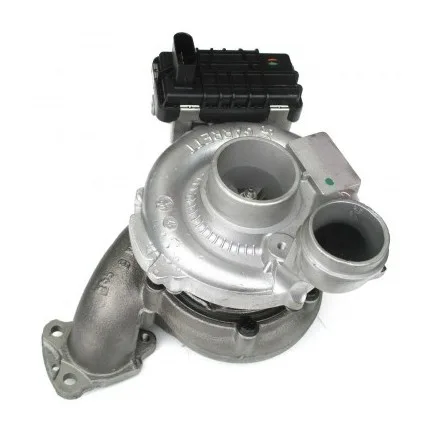
The Mercedes Sprinter turbocharger category addresses a critical need for both professional mechanics and DIY enthusiasts seeking high-quality exchange standard components. This range includes remanufactured turbos designed to restore engine performance while avoiding the high costs of new OEM parts. Whether you're troubleshooting a loss of power, excessive smoke, or unusual noises, these turbos offer a dependable solution backed by rigorous compatibility checks against vehicle motorization, power output, and production years.
This product line is curated by a specialist wholesaler with deep expertise in turbocharger remanufacturing, sourcing components that undergo standardized processes to ensure consistent quality. The range is structured to align with the demands of independent garages and fleet operators, providing turbos that meet or exceed original equipment standards while offering flexibility in ordering and logistics. Each unit is selected for its compatibility with specific Sprinter motorizations, ensuring precise fitment and long-term reliability.
Professional uses by trade
Different user profiles rely on this category for distinct purposes, from emergency repairs to routine maintenance. Independent garages prioritize reliability and compatibility, while DIY enthusiasts seek accessible solutions for self-repairs. German buyers, in particular, value precision-engineered components that meet local market expectations for durability and performance.
- Independent garage: Replace a failing turbocharger in a Sprinter 313 CDI 2.1 to restore engine efficiency and avoid costly downtime.
- DIY enthusiast: Source a remanufactured turbo for a Sprinter 211 CDI to complete a home repair project with professional-grade results.
- Fleet operator: Maintain multiple Sprinter vans by stocking exchange standard turbos to minimize vehicle unavailability during peak service periods.
- German workshop: Order calibrated turbos for Sprinter 316 CDI models to ensure compliance with local repair standards and customer expectations.
- Passionate driver: Address a sudden power loss in a Sprinter 416 CDI by installing a remanufactured turbocharger sourced from a trusted supplier.
- Mobile mechanic: Carry a selection of Sprinter turbos in a service van to perform on-site repairs without delays from parts suppliers.
- Commercial fleet manager: Reduce maintenance costs by opting for exchange standard turbos that offer the same performance as new units at a fraction of the price.
Range comparison
The following table compares the two available remanufactured turbocharger models for Mercedes Sprinter applications, highlighting their key features and intended uses.
| Range | Use | Format |
|---|---|---|
| SL Turbo 765155-5008S | Sprinter 313 CDI 2.1 models | |
| SL Turbo 709838-5006S | Sprinter 211 CDI and 316 CDI models |
How to choose
Selecting the right turbocharger for a Mercedes Sprinter requires careful consideration of several factors to ensure optimal performance and longevity. Compatibility with the vehicle's motorization and power output is paramount, as is the condition of the unit upon delivery.
- Verify the turbocharger's compatibility with your Sprinter's motorization code and production year to avoid mismatched fitment.
- Inspect the packaging for signs of damage or improper storage, which could compromise the turbo's condition before installation.
- Check for documentation confirming the turbo's remanufacturing process, including core deposit return instructions for used units.
- Prioritize turbos with a consistent track record of performance in similar Sprinter models to minimize the risk of premature failure.
- Ensure the supplier offers clear return policies for defective units, including guidance on returning core deposits for used turbos.
- Opt for turbos that include installation-ready components, such as gaskets or mounting hardware, to streamline the repair process.
- Select a supplier with a reputation for timely delivery and reliable stock rotation to avoid delays in critical repair scenarios.
Storage & logistics
Proper storage of remanufactured turbochargers is essential to maintain their condition before installation. These components should be kept in a dry, temperature-controlled environment to prevent corrosion or damage to internal components. For bulk orders, warehouses should implement a first-in-first-out (FIFO) system to ensure turbos are used within their recommended shelf life. Avoid stacking heavy items on top of turbocharger packaging, as this can deform seals or housing. Regular inspections of stored turbos are recommended to identify any signs of moisture ingress or physical damage. Suppliers should provide clear handling instructions to prevent contamination from dust or debris during transit or storage. For garages, storing turbos in sealed plastic bags with desiccant packs can further protect against humidity-related issues.
With over a decade of experience in turbocharger remanufacturing, our team has refined our processes to deliver products that meet the exacting standards of Mercedes Sprinter applications. We understand the critical role these components play in vehicle performance, which is why we prioritize precision engineering and rigorous quality checks at every stage of production.— autoKUR team
Related categories
Browse our other ranges:
Useful references
For regulatory and sector references, see Reglement (UE) 461/2010 — pieces de rechange et garantie constructeur.