
Available products
In stock
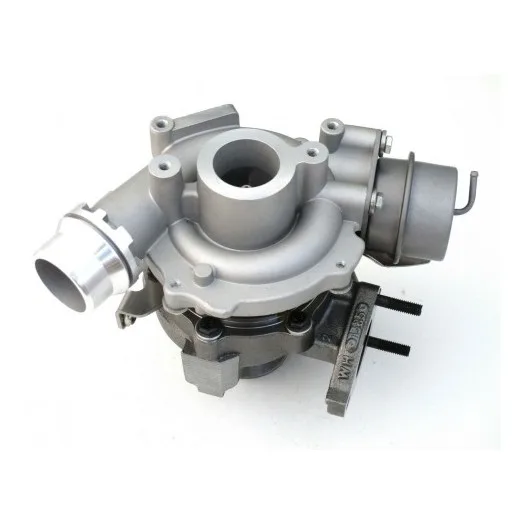
The DACIA Logan 1 MCV 1.5 DCi 88 hp (65 kW diesel) is covered by 1 exchange-standard reference(s). Check output before displacement: it determines the part.
Engine specification: 1461 cm³, diesel. Matching part number: 5438 988 0006 (SL Turbo). Compare with the code stamped on your part.
Other engines of the DACIA Logan 1 MCV: 1.5 DCi 75 hp, 1.5 DCi 68 hp. If the code stamped on your part is legible, search by reference remains the safest route. 24-month warranty.
Related categories
Frequently asked questions
About this category
The 1.5 dCi 88 hp engine, widely used in Renault models from the mid-2000s onward, relies on a robust turbocharger system to maintain optimal performance. This category specializes in exchange-standard turbos and high-pressure components, offering a practical alternative to costly OEM replacements. Whether you're a mechanic balancing tight deadlines or a car owner tackling repairs yourself, these parts provide a tested solution for restoring power and reducing emissions.
Each part in this range is sourced from reputable remanufacturers who follow rigorous processes to ensure reliability. The wholesale model leverages bulk purchasing power to offer competitive rates, while the exchange-standard approach minimizes downtime by providing ready-to-install units. This system benefits independent garages and DIYers alike, bridging the gap between affordability and performance.
Professional uses by trade
Different professionals approach turbo repairs with distinct priorities. Garages focus on efficiency and compatibility, while DIYers seek clarity and ease of installation. German buyers, in particular, value precision and documentation. Below, we outline how each group can leverage this category to address common engine issues.
- Independent garage: Replace a failing turbocharger in under two hours using pre-calibrated exchange-standard units, reducing labor costs and vehicle downtime.
- DIY enthusiast: Diagnose a whining turbo or loss of power by matching symptoms to this category, then order the correct part for a weekend repair project.
- German buyer (DACH): Verify compatibility with your Renault model by cross-referencing the engine code K9K, ensuring the turbo meets local emissions and performance standards.
- Mechanic: Source high-pressure components like injectors or pumps alongside turbos to address related issues in a single order, streamlining the repair process.
- Car owner: Identify a smoking exhaust or reduced acceleration as turbo-related, then select an exchange-standard part to restore your vehicle’s performance without overspending.
- Professional fleet manager: Maintain multiple Renault vehicles by stocking exchange-standard turbos, ensuring quick replacements and minimizing operational disruptions.
Range comparison
Below, you’ll find the available exchange-standard turbos and high-pressure components for the 1.5 dCi 88 hp engine, each listed with its reference and intended use. These parts are designed to fit seamlessly into your repair workflow, whether for a single vehicle or a fleet.
| Range | Use | Format |
|---|---|---|
| SL Turbo 5438 988 0006 | Direct replacement for Renault 1.5 dCi 88 hp |
How to choose
Selecting the right turbo or high-pressure component requires attention to compatibility, condition, and intended use. Below are key factors to consider when choosing a part for your 1.5 dCi 88 hp engine.
- Verify the engine code (K9K) and model year to ensure the turbo matches your vehicle’s specifications, avoiding mismatches that could lead to further issues.
- Inspect the condition of the turbo’s cartridge and CHRA (Center Housing Rotating Assembly) for signs of wear, such as scoring or corrosion, which indicate the need for replacement.
- Check the packaging for seals or protective covers to confirm the part hasn’t been tampered with or exposed to contaminants during storage or transit.
- Prioritize turbos with a consistent remanufacturing history, as these units undergo standardized processes to restore performance and longevity.
- For high-pressure components like injectors or pumps, ensure they are tested for pressure regulation and flow rate to match the engine’s demands.
- Consider the supplier’s return policy for core deposits, as many exchange-standard parts require returning the old unit to avoid additional fees.
- Evaluate the supplier’s stock rotation to deliver fresh, recently remanufactured parts, reducing the risk of receiving outdated or improperly stored units.
Storage & logistics
Proper storage of exchange-standard turbos and high-pressure components is critical to maintaining their condition before installation. Keep parts in a dry, temperature-controlled environment away from direct sunlight and contaminants like dust or oil. For bulk orders, use sealed containers or original packaging to prevent moisture buildup or physical damage. Always handle turbos by the housing to avoid stressing the CHRA or damaging the shaft. If storing for extended periods, rotate stock regularly to ensure older units are used first, adhering to FIFO (First In, First Out) principles to maintain freshness and reliability.
With over 15 years in the turbo remanufacturing industry, our team has seen how a single faulty turbo can disrupt an entire workshop schedule. We’ve built this category to provide parts that restore confidence—whether you’re a mechanic under pressure or a car owner determined to fix it yourself.— autoKUR team
Related categories
Browse our other ranges:
Useful references
For regulatory and sector references, see Reglement (UE) 461/2010 — pieces de rechange et garantie constructeur.