


Frequently asked questions
About this category
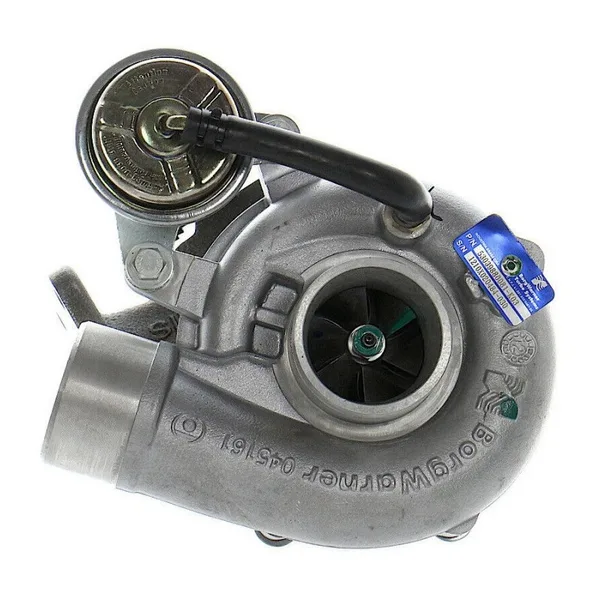
The 2.8 HDi 128 hp turbo exchange standard category addresses a common challenge faced by vehicle owners and repair professionals: restoring engine performance after turbo failure. This range includes remanufactured turbocompressors designed to replace worn or damaged units, ensuring the engine regains its original power output. Whether for a Peugeot, Citroën, or other compatible vehicle, these turbos are engineered to match the exact specifications of the original equipment, making them a cost-effective alternative to new OEM parts. The category is structured to serve both independent garages and motorists seeking a quick, reliable solution to turbo-related issues.
This range is curated to provide a comprehensive selection of turbos specifically tailored for the 2.8 HDi 128 hp engine, ensuring compatibility across multiple vehicle models. As a wholesale supplier, we focus on sourcing high-quality remanufactured units that undergo rigorous testing to meet performance and durability standards. The turbos in this category are selected for their ability to restore engine efficiency, reduce emissions, and extend the lifespan of the vehicle’s powertrain. By partnering with trusted remanufacturers, we ensure that each turbo meets the demands of professional repair workflows while offering a viable option for DIY enthusiasts.
Professional uses by trade
Different user groups rely on the 2.8 HDi 128 hp turbo exchange standard category for distinct reasons, whether to minimize repair costs, reduce vehicle downtime, or ensure long-term reliability. Garages prioritize units that integrate seamlessly with their existing workflows, while motorists seek solutions that restore their vehicle’s performance without unnecessary delays. The category bridges these needs by offering turbos that are both technically sound and readily available.
- Le garagiste independant : Uses exchange standard turbos to quickly replace faulty units, minimizing workshop downtime and maintaining customer trust through reliable repairs.
- L'automobiliste depanne : Relies on these turbos to restore vehicle performance after a sudden loss of power or excessive smoke from the exhaust.
- Le passionne qui fait lui-meme : Prefers exchange standard turbos for their affordability and ease of installation, often sourcing them for DIY engine rebuilds.
- Der deutsche Kaeufer (DACH) : Seeks remanufactured turbos that comply with European emissions standards, ensuring compatibility with local vehicle regulations.
- Le garagiste independant : Selects turbos with verified compatibility to avoid misfitting, which can lead to repeated failures or additional labor costs.
- L'automobiliste depanne : Chooses exchange standard turbos to avoid the expense of a brand-new OEM unit, balancing cost and performance restoration.
- Der deutsche Kaeufer (DACH) : Prioritizes turbos with clear documentation of remanufacturing processes, ensuring transparency and reliability for long-term use.
Range comparison
The following turbos are specifically selected for the 2.8 HDi 128 hp engine, offering verified compatibility and remanufactured quality. Each unit is presented with its reference to ensure precise identification and ease of ordering.
| Range | Use | Format |
|---|---|---|
| SL Turbo 49377-07050 | Direct replacement for PSA vehicles with 2.8 HDi 128 hp engines | |
| SL Turbo 5303 988 0081 | Compatible with Citroën and Peugeot models featuring the same engine platform |
How to choose
Selecting the right turbo for the 2.8 HDi 128 hp engine requires attention to several key factors, including compatibility, condition, and long-term reliability. Professionals and motorists alike must evaluate these criteria to ensure the chosen unit meets their vehicle’s specific needs.
- Verify the turbo’s compatibility with your vehicle’s exact model year and engine code to avoid mismatches that could lead to installation issues.
- Inspect the turbo’s condition, including the CHRA (Center Housing Rotating Assembly) and wastegate, to ensure no signs of excessive wear or damage are present.
- Check for clear documentation of the remanufacturing process, which should include balancing, cleaning, and replacement of worn components.
- Prioritize turbos with a warranty or return policy, as this provides assurance of quality and recourse in case of premature failure.
- Consider the turbo’s packaging and handling requirements, especially if ordering in bulk for a workshop with high turnover rates.
- Evaluate the supplier’s reputation for consistency, as repeated installations of poorly remanufactured turbos can damage the engine over time.
- Assess the availability of technical support or troubleshooting guides, which can be invaluable for DIY enthusiasts or less experienced mechanics.
Storage & logistics
Proper storage of exchange standard turbos is essential to maintain their performance and longevity before installation. These units should be kept in a clean, dry environment, protected from dust, moisture, and extreme temperatures that could degrade seals or bearings. For workshops, storing turbos in sealed containers or original packaging helps prevent contamination from workshop debris or fluids. It is also advisable to rotate stock regularly to ensure older units are used first, reducing the risk of degradation over time. When handling turbos, avoid dropping or jarring them, as this can dislodge internal components or damage the CHRA. Additionally, storing turbos away from direct sunlight and sources of vibration ensures they remain in optimal condition until installation.
With over a decade of experience in sourcing remanufactured turbos, our team ensures each unit meets the high standards required for the 2.8 HDi 128 hp platform, delivering consistent quality and reliability for every repair.— autoKUR team
Related categories
Browse our other ranges:
Useful references
For regulatory and sector references, see Reglement (UE) 461/2010 — pieces de rechange et garantie constructeur.