

Available products
10 references




Frequently asked questions
About this category
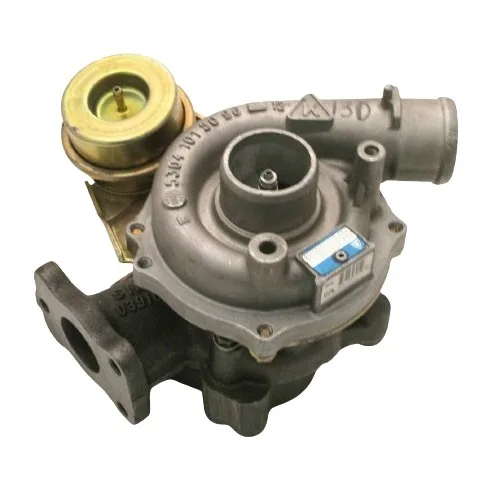
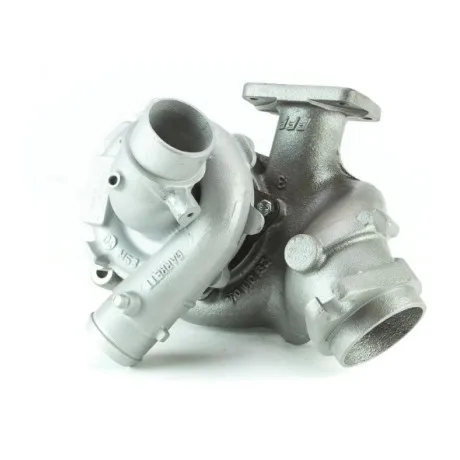
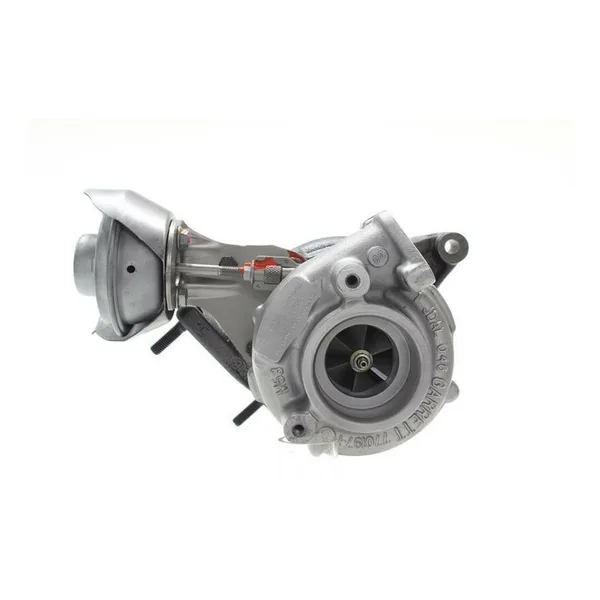
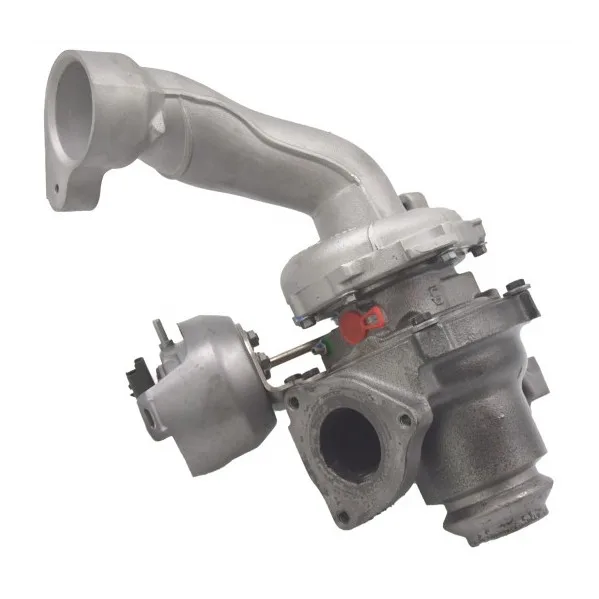
This category brings together exchange-standard turbochargers for garages, motorists facing a breakdown, and enthusiasts who handle their own mechanical work. Each unit listed here is a reconditioned turbocharger exchange built around a documented reference — Garrett or SL Turbo — rather than a generic part. The aim is to let a visitor arriving with a vehicle, an engine code, or a symptom such as a loss of power or unusual smoke narrow the search quickly, without needing to already hold the exact OEM reference in hand before starting.
The range is organised around the reference numbers already stamped on the original part: Garrett units on one side, SL Turbo references on the other, each tied to a specific cartridge and geometry configuration. Rather than grouping turbochargers by vehicle brand, the listing follows the exchange reference itself, since a single turbocharger reference can serve several engine codes across different manufacturers. That structure keeps the reconditioned turbocharger exchange search anchored to verifiable part data.
Professional uses by trade
The same exchange-standard turbocharger reference can serve different needs depending on who is searching for it. A garage diagnosing limp mode, a driver stranded by a whistling engine, and an enthusiast planning a scheduled swap are not solving identical problems, even when the underlying part reference is the same one.
- Le garagiste independant : An independent garage cross-checks a customer's engine code and OEM reference before ordering a reconditioned turbocharger exchange, avoiding a mismatch discovered only after the old unit is removed.
- Le garagiste independant : Facing a vehicle in limp mode or showing a boost-related fault code, a workshop narrows the diagnosis to the cartridge and actuator before selecting the matching exchange reference.
- L'automobiliste depanne : A driver noticing a sudden loss of power, dark smoke, or a rising whistle under acceleration searches for the exact reference before a scheduled professional replacement is arranged.
- L'automobiliste depanne : Rather than guessing from the vehicle model alone, a motorist matches the engine code and power rating printed in the handbook to the exchange-standard turbocharger listed here.
- Le passionne qui fait lui-meme : An enthusiast comfortable with mechanical work compares CHRA and variable-geometry specifications against the original part before ordering a reconditioned turbocharger exchange for a planned rebuild.
- Der deutsche Kaeufer (DACH) : A buyer sourcing parts across the DACH region checks the OEM reference and engine code against the listed exchange unit before a professional carries out the fitting.
Range comparison
The table below lists each exchange-standard reference available in this category, alongside the general context in which it is typically requested and the wholesale format it is supplied in, without substituting for the OEM reference check.
| Range | Use | Format |
|---|---|---|
| Turbo Garrett 806499-5002S | engine code matching | |
| SL Turbo 707240-5001S | cartridge reference replacement | |
| Turbo Garrett 706978-5001S | variable-geometry unit swap | |
| SL Turbo 764609-5003S | OEM reference replacement | |
| SL Turbo 707240-5005S | boost fault diagnosis | |
| Turbo Garrett 807489-5002S | limp mode replacement | |
| Turbo Garrett 760220-5004S | power loss replacement | |
| Turbo Garrett 782053-5001S | core deposit exchange |
How to choose
Selecting among several exchange-standard references calls for more than matching a vehicle brand. The criteria below focus on the documented specifications tied to each reference, since a reconditioned turbocharger exchange is only correct when the cartridge, geometry, and engine code all agree.
- Match the engine code and power rating exactly as printed on the vehicle's documentation, since two similar-looking engines can require different exchange references.
- Compare the OEM reference stamped on the original part rather than relying on the vehicle brand alone, as one reference can cover several models.
- Check whether the unit uses fixed or variable geometry, since fitting the wrong configuration can trigger a boost-related fault after the swap.
- Confirm the cartridge and CHRA specifications match the original part, particularly on units associated with limp mode or a sudden loss of power.
- Verify the core deposit and return conditions for the old unit before ordering, since the exchange-standard model relies on that returned core.
- Arrange the fitting with a qualified professional who can confirm the actuator and geometry settings before the vehicle returns to normal use.
Storage & logistics
An exchange-standard turbocharger is supplied against the return of the original core, so the old unit should be kept intact — not dismantled, drained of oil residue only as needed, and protected from impact to the compressor and turbine wheels — until the return process is complete. Store the reconditioned exchange unit itself in its original packaging until fitting, away from moisture and direct contact with abrasive surfaces, and keep the OEM reference and engine code documentation together with the part so a qualified professional can confirm the match before installation begins.
Since 2026, our team has cross-checked cartridge, geometry, and OEM reference data before listing any exchange-standard turbocharger, because a reconditioned turbocharger exchange only earns its place here once the engine code and reference genuinely align.— autoKUR team
Related categories
Browse our other ranges:
Useful references
For regulatory and sector references, see Reglement (UE) 461/2010 — pieces de rechange et garantie constructeur.