

Available products
4 references
Frequently asked questions
About this category
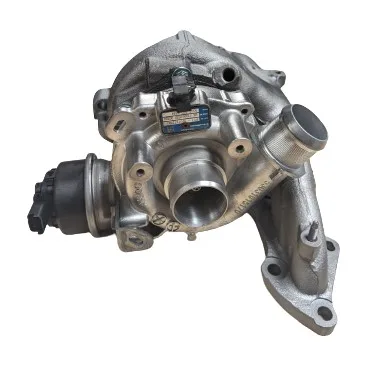
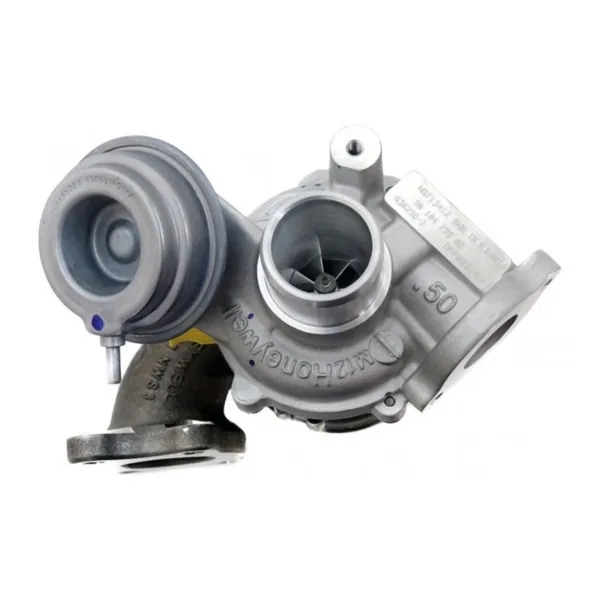
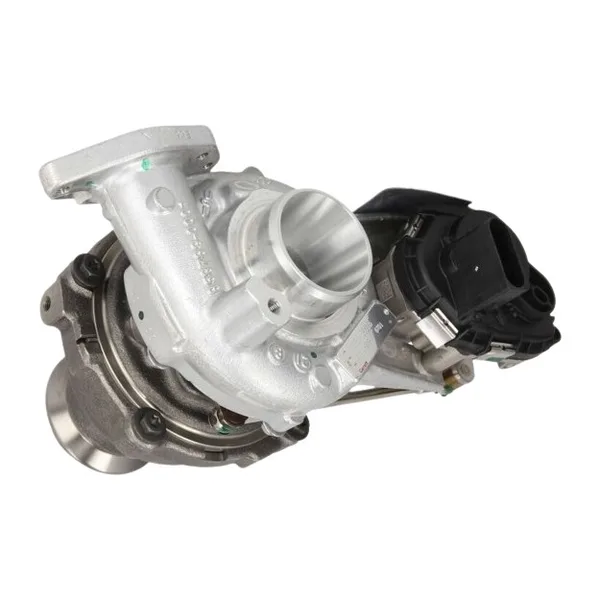
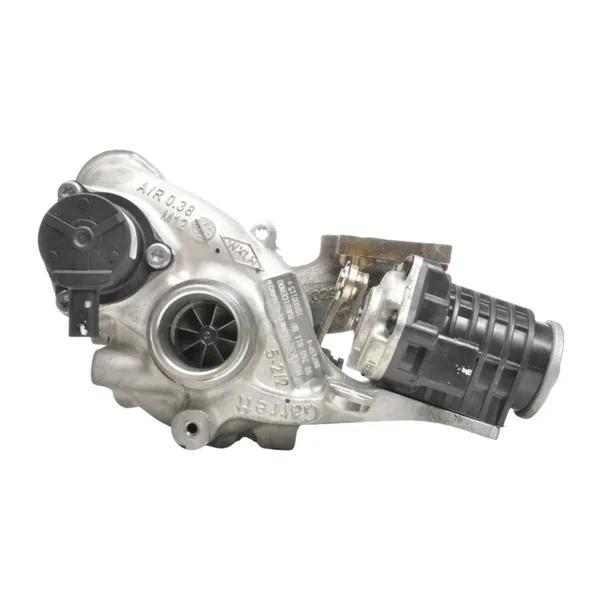
This category serves owners and professionals dealing with turbocharger failures in Peugeot vehicles equipped with the 1.2 PureTech 110 engine. Whether you’re a DIY enthusiast tackling a weekend repair or a mechanic sourcing a reliable replacement, you’ll find exchange standard turbos engineered to OE standards. The range covers common symptoms like power loss, excessive smoke, or whining noises, all linked to turbo degradation. No installation service is provided—these are standalone components for third-party fitting.
The turbos in this range are remanufactured to a consistent standard, leveraging a network of suppliers who specialize in core recovery and precision rebuilding. As a wholesale supplier, we aggregate demand from independent garages and Peugeot specialists, ensuring stock availability for the 1.2 PureTech 110’s most frequent turbo variants. The focus remains on compatibility and durability, with each unit tested for geometric variable performance and CHRA integrity before dispatch.
Professional uses by trade
Different users approach turbo replacement with distinct priorities: garages need fast turnaround, DIYers seek clarity, and German buyers expect technical precision. Below, we outline how each group leverages this category to resolve turbo issues efficiently.
- Le garagiste independant : Sources turbos exchange standard for the 1.2 PureTech 110 to minimize repair time while maintaining customer trust through OE-like performance restoration.
- L'automobiliste depanne : Identifies the correct turbo variant for their Peugeot 208 by matching engine code and symptoms like power lag or unusual noises before ordering.
- Le passionne qui fait lui-meme : Orders a pre-checked turbo to avoid misfitting, often combining the purchase with a core deposit return for the old unit.
- Der deutsche Kaeufer (DACH) : Relies on detailed technical documentation to ensure the turbo’s variable geometry and CHRA meet stringent German aftermarket standards.
- Le garagiste independant : Uses the range to replace turbos in bulk for Peugeot fleets, prioritizing units with verified core recovery processes to reduce logistical overhead.
- L'automobiliste depanne : Cross-references OEM part numbers with the turbo’s reference to confirm compatibility before purchasing, avoiding costly mistakes.
- Der deutsche Kaeufer (DACH) : Selects turbos based on long-term reliability reports from German Peugeot clubs, ensuring parts meet local expectations for durability.
Range comparison
The table below compares turbos compatible with the Peugeot 2.0 BlueHDi and 1.2 PureTech engines, including the 110 hp variant. Each entry highlights the engine’s power output and the turbo’s role in maintaining performance.
| Range | Use | Format |
|---|---|---|
| 2.0 BlueHDi 163 hp | High-power diesel applications | remanufactured turbo |
| 2.0 BlueHDi 150 hp | Mid-range diesel performance | exchange standard turbo |
| 1.2 PureTech 131 hp | Petrol engine with VVT | rebuilt turbo unit |
| 1.5 BlueHDi 131 hp | Efficient diesel for city driving | standard exchange turbo |
| 1.2 PureTech 110 hp | Entry-level petrol performance | remanufactured CHRA |
How to choose
Selecting the right turbo for the 1.2 PureTech 110 requires attention to engine code, symptom mapping, and core deposit policies. Below are the key criteria professionals and enthusiasts use to make informed decisions.
- Verify the engine code (e.g., EB2DTS) against the turbo’s reference to confirm compatibility with your Peugeot 208’s 1.2 PureTech 110.
- Match symptoms like power loss or smoke color to turbo failure modes, such as worn variable geometry or CHRA wear.
- Check core deposit requirements—some suppliers mandate returning the old turbo within a set timeframe to avoid additional fees.
- Prioritize turbos with documented remanufacturing processes, including CHRA balancing and variable geometry testing.
- Assess packaging: bulk shipments for garages should include protective foam inserts to prevent transit damage.
- Confirm the turbo’s condition (e.g., generalüberholt) aligns with your repair budget and timeline expectations.
- Review supplier policies on returns or exchanges if the turbo fails prematurely, ensuring minimal disruption to workflows.
Storage & logistics
For garages and wholesalers, storing exchange standard turbos for the 1.2 PureTech 110 demands climate-controlled environments to prevent moisture damage to the CHRA and variable geometry components. Units should be stored vertically in labeled bins, with desiccant packs included to absorb ambient humidity. Regular stock rotation ensures older turbos are used first, reducing the risk of obsolescence. In high-volume workshops, dedicated turbo storage racks with foam padding protect against impacts during handling. Always keep core deposit labels accessible for quick reference when processing returns, and maintain a log of received cores to track recovery rates. Suppliers should provide clear handling guidelines to prevent contamination of the turbo’s oil passages or variable geometry mechanisms.
Since 2026, we’ve seen the 1.2 PureTech 110’s turbo failures cluster around the CHRA’s bushings and variable geometry vanes—issues that remanufacturing resolves by restoring original tolerances. Our process focuses on precision testing, not just replacement, to deliver turbos that perform like new.— autoKUR team
Related categories
Browse our other ranges:
- Grand C4 Spacetourer (3A_, 3E_)
- Fuel injector
- High-pressure pump
- Gasket kit
- Core deposit
- Search by part reference
Useful references
For regulatory and sector references, see Reglement (UE) 461/2010 — pieces de rechange et garantie constructeur.