
Available products
In stock
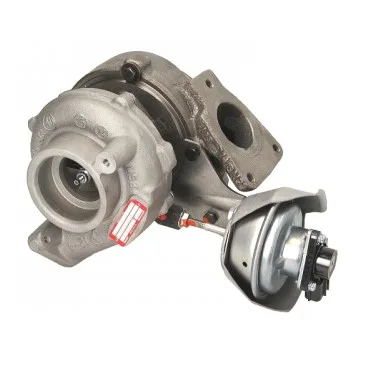
The CITROËN C4 Picasso 1 2.0 HDi 136 hp (100 kW diesel) is covered by 1 exchange-standard reference(s). Check output before displacement: it determines the part.
Engine specification: 1997 cm³, diesel, built from 10/2006 to 08/2013. Matching part number: 756047-5005S (SL Turbo). Compare with the code stamped on your part.
Other engines of the CITROËN C4 Picasso 1: 2.0 HDi 163 hp, 1.6 THP 156 hp, 1.6 16v 150 hp. If the code stamped on your part is legible, search by reference remains the safest route. 24-month warranty.
Related categories
Frequently asked questions
About this category
The Renault 2.0 HDi 136 hp turbo exchange standard category targets owners of vehicles powered by this specific diesel engine, including models from the Renault range produced between 2010 and 2018. This category includes remanufactured turbocompressors designed to restore original performance levels without the expense of a brand-new unit, making it ideal for both professional garages and private individuals performing their own repairs.
The range is curated by a specialist wholesaler with direct access to OEM references and equivalent aftermarket parts, ensuring that each turbocharger meets strict remanufacturing standards. The focus is on providing parts that are ready for immediate installation, with no additional processing required by the end user, while maintaining traceability through core deposit systems for sustainability.
Professional uses by trade
Different user profiles rely on this category for distinct reasons: garages prioritize bulk availability and quick turnaround, DIY mechanics seek cost-effective solutions, and German buyers value compatibility with local workshop practices and regulatory standards.
- Le garagiste independant : Replaces worn turbos in Renault models with 2.0 HDi 136 hp engines to restore vehicle performance and avoid costly engine damage from prolonged use of a failing unit.
- L'automobiliste depanne : Seeks an affordable turbo exchange standard to resolve sudden power loss or excessive smoke from the exhaust, often after diagnosing a faulty turbocharger.
- Le passionne qui fait lui-meme : Prefers remanufactured turbos for their balance of cost and reliability, allowing self-installation without compromising on quality or compatibility.
- Der deutsche Kaeufer (DACH) : Orders exchange standard turbos for Renault models registered in Germany, ensuring compliance with local emissions standards and workshop practices.
- Le garagiste independant : Uses exchange standard turbos as a temporary solution for customers awaiting OEM parts, maintaining service continuity while managing inventory costs.
- L'automobiliste depanne : Opts for exchange standard turbos when the original unit fails unexpectedly, prioritizing quick availability over long-term warranties.
- Der deutsche Kaeufer (DACH) : Selects turbos with variable geometry systems that match the specifications of Renault models sold in the DACH region, ensuring precise fitment and performance.
Range comparison
The following table compares the available exchange standard turbos for the Renault 2.0 HDi 136 hp, highlighting their key features and intended use cases for different buyer profiles.
| Range | Use | Format |
|---|---|---|
| SL Turbo 756047-5005S | DIY installation compatibility |
How to choose
Selecting the right turbo for the Renault 2.0 HDi 136 hp requires attention to several key factors, including compatibility, condition, and intended use, to ensure long-term reliability and performance.
- Verify the turbocharger’s compatibility with the vehicle’s exact model year and engine code to avoid mismatches that could lead to installation issues or poor performance.
- Inspect the condition of the exchange standard unit, ensuring it has undergone professional remanufacturing with tested components for consistent quality and durability.
- Check the packaging for clear labeling of the turbo’s specifications, including variable geometry settings and OEM reference numbers for traceability.
- Assess the core deposit policy to understand return procedures for the old turbo, which may affect the final cost and environmental impact of the exchange.
- Evaluate the supplier’s rotation policy for remanufactured turbos, as fresher stock often indicates better preservation and reduced risk of hidden defects.
- Confirm the availability of technical documentation or support for installation, particularly for DIY users or garages unfamiliar with Renault’s turbo systems.
- Prioritize turbos from suppliers with a track record in diesel engine components, as their expertise directly impacts the reliability of the exchange standard unit.
Storage & logistics
For garages and wholesalers, storing exchange standard turbos requires a controlled environment to prevent moisture damage and corrosion, with clear labeling to distinguish between models and compatibility ranges. Regular inventory rotation ensures that older stock is used first, maintaining freshness and reducing the risk of performance degradation over time. Bulk packaging should be stored in a dry, temperature-stable area, away from direct sunlight and chemical contaminants that could compromise the turbo’s seals or internal components.
With over a decade in the turbo remanufacturing industry, our team has refined the process to deliver exchange standard units that meet the rigorous demands of professional workshops and private mechanics alike, ensuring each part performs as expected from the first start.— autoKUR team
Related categories
Browse our other ranges:
Useful references
For regulatory and sector references, see Reglement (UE) 461/2010 — pieces de rechange et garantie constructeur.