


Frequently asked questions
About this category
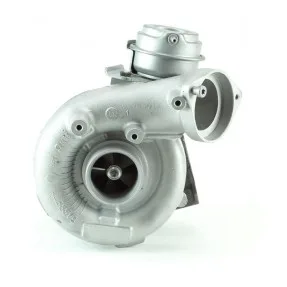
The 3.0d 211 HP turbocharger category addresses a critical gap in the aftermarket: diesel engines in this power range demand components that match the original equipment’s durability and efficiency, yet remain accessible for repair shops and self-servicing owners. Here, you’ll find remanufactured turbos designed for exchange, where the core’s condition is assessed, the CHRA (Center Housing Rotating Assembly) is rebuilt with new bearings and seals, and the variable geometry mechanism is recalibrated to factory specifications. This approach ensures a like-new performance without the premium of a brand-new unit.
This range is curated for professionals who prioritize reliability and for owners who refuse to compromise on quality when their vehicle’s performance is at stake. The turbos listed here are sourced from suppliers specializing in diesel remanufacturing, where each unit undergoes a multi-stage process: ultrasonic cleaning, crack detection, bearing replacement, and dynamic balancing. The result is a product that meets the same tolerances as the original, but at a fraction of the cost and with faster turnaround than OEM channels. The role of the wholesaler here is to streamline access to these high-grade components, ensuring that garages and enthusiasts alike can source the right fit without navigating convoluted supply chains.
Professional uses by trade
Different users approach this category with distinct priorities: garages need consistency and traceability, stranded drivers seek immediate solutions, and DIY mechanics value clarity in compatibility. Below, we break down how each group leverages these turbos to restore functionality efficiently.
- Le garagiste independant : Uses a remanufactured 3.0d 211 HP turbo to minimize vehicle downtime while maintaining profit margins, relying on cross-referenced OEM codes to avoid misfires or post-installation issues.
- L'automobiliste depanne : Seeks a direct replacement for a failing turbo to avoid costly towing or extended rental expenses, prioritizing availability and clear compatibility with their exact motorization.
- Le passionne qui fait lui-meme : Prefers a remanufactured unit for its balance of cost and reliability, often pairing it with a core deposit to reduce upfront expenses while ensuring a professional-grade repair.
- Der deutsche Kaeufer (DACH) : Values turbos with documented remanufacturing processes and clear variable geometry calibration, as German diesel systems are sensitive to deviations in airflow dynamics.
- Le garagiste independant : Relies on turbos with verified CHRA integrity to prevent premature failures, especially in high-mileage vehicles where oil contamination or bearing wear is a recurring concern.
- L'automobiliste depanne : Chooses a turbo with a straightforward installation process, often opting for units that include mounting hardware or gaskets to simplify the replacement.
- Le passionne qui fait lui-meme : Selects a turbo based on community-recommended suppliers, ensuring the core deposit system aligns with local logistics for easy returns of the old unit.
Range comparison
The following turbos are the only options in this category, each designed for specific motorizations and power outputs. Their compatibility is verified against OEM references and vehicle databases to ensure a seamless fit.
| Range | Use | Format |
|---|---|---|
| SL Turbo 742730-5019S | fits BMW 3.0d engines with 211 HP | |
| SL Turbo 753392-5019S | compatible with Mercedes OM642 V6 diesel |
How to choose
Selecting the right turbo for a 3.0d 211 HP application requires attention to several factors beyond mere fitment. The following criteria help professionals and owners make an informed decision, ensuring longevity and performance alignment with the original equipment.
- Conditionnement : Opt for turbos packaged in anti-static bags with desiccant to prevent moisture damage during storage or transit, especially in humid climates.
- Conservation : Prioritize units stored in climate-controlled environments to avoid degradation of seals or variable geometry components over time.
- Régularité : Choose suppliers with a documented rotation system to ensure turbos are not sitting idle for extended periods, which can compromise bearing lubrication.
- Rotation : Verify that the turbo’s core deposit policy aligns with your workflow, allowing for seamless returns of used cores without hidden fees or delays.
- Compatibilité : Cross-reference the turbo’s OEM code and vehicle-specific motorization details to avoid mismatches that could lead to immediate failure post-installation.
- Marques : Prefer turbos from manufacturers with a track record in diesel remanufacturing, as their processes are more likely to meet stringent tolerances.
- Traçabilité : Request documentation of the remanufacturing steps, including bearing replacements, seal inspections, and variable geometry adjustments, to confirm quality standards.
Storage & logistics
For workshops and distributors, proper storage of remanufactured 3.0d 211 HP turbos is non-negotiable to preserve their integrity until installation. Units should be kept in a dry, temperature-stable environment, away from direct sunlight and sources of vibration, which can misalign the CHRA or damage the variable geometry mechanism. Anti-static packaging is essential to protect sensitive electronics, while desiccant packs prevent moisture buildup that could corrode internal components. Inventory rotation must follow a first-in, first-out (FIFO) system to ensure turbos are used within their optimal shelf life, typically 12–24 months from remanufacturing date. Additionally, clear labeling with OEM codes and motorization compatibility prevents mix-ups in high-pressure environments where time is critical. Suppliers should provide batch tracking to facilitate recalls or quality audits, reinforcing trust in the supply chain.
Since 2026, we’ve seen firsthand how a well-remanufactured 3.0d 211 HP turbo can restore a vehicle’s performance without the sticker shock of OEM pricing. Our process focuses on precision—every bearing, seal, and vane is inspected to meet the original tolerances, ensuring the turbo performs as intended from day one.— autoKUR team
Related categories
Browse our other ranges:
Useful references
For regulatory and sector references, see Reglement (UE) 461/2010 — pieces de rechange et garantie constructeur.