

Frequently asked questions
About this category
The BMW 520d 163 HP turbo category addresses a common pain point for diesel drivers and mechanics: turbocharger failure disrupting engine performance. This section focuses on exchange-standard turbos designed for direct replacement, covering vehicles from 2010 to 2020 with the N47 engine family. Here, you’ll find remanufactured units that restore power delivery without the need for custom fabrication or dealership markup.
Grossists in this segment prioritize compatibility and bulk availability, sourcing turbos from manufacturers like BorgWarner to meet the demands of independent garages and DIY enthusiasts. The role of the wholesaler extends beyond supply: they ensure each turbo matches OEM tolerances, reducing the risk of misfires or premature wear after installation. This approach bridges the gap between dealership pricing and aftermarket uncertainty.
Professional uses by trade
Different users approach turbo replacement with distinct priorities: garages need reliability and bulk pricing, while DIYers seek clarity on installation steps and core returns. German buyers, in particular, value precision in part numbers and adherence to BMW’s engineering standards.
- Independent garage: Replace a failing turbo on a 2015 520d 163 HP with a remanufactured unit to avoid costly dealership repairs and maintain customer trust.
- Roadside mechanic: Diagnose turbo failure via symptoms like excessive smoke or power loss, then source a direct-fit turbo to get the vehicle running again quickly.
- DIY enthusiast: Research turbo compatibility for a 2012 520d 163 HP, ensuring the replacement part matches OEM specifications before attempting installation.
- German buyer (DACH): Verify turbo part numbers against BMW’s catalog to confirm fitment for models sold in the European market, prioritizing remanufactured units for cost efficiency.
- Workshop manager: Stock exchange-standard turbos for the 520d 163 HP to reduce lead times and offer customers transparent pricing without hidden fees.
- Passionate driver: Address turbo lag or whining noises in a 2018 520d by sourcing a remanufactured turbo that restores original performance levels.
- Fleet operator: Maintain multiple 520d 163 HP vehicles by keeping core deposit turbos on hand, ensuring minimal downtime during scheduled maintenance.
Range comparison
This comparison highlights two turbocharger models engineered for the BMW 520d 163 HP, each designed for exchange-standard use and remanufactured to OEM standards.
| Range | Use | Format |
|---|---|---|
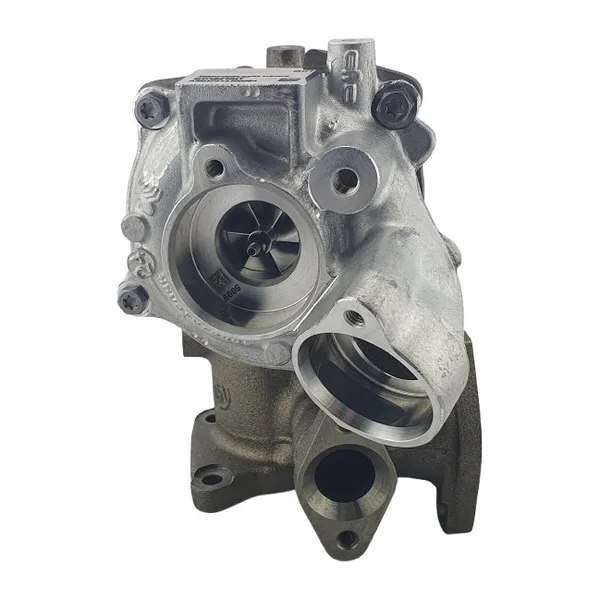
| Turbo BorgWarner - KKK 1631 988 0052 | Direct replacement for 2010-2014 models | |
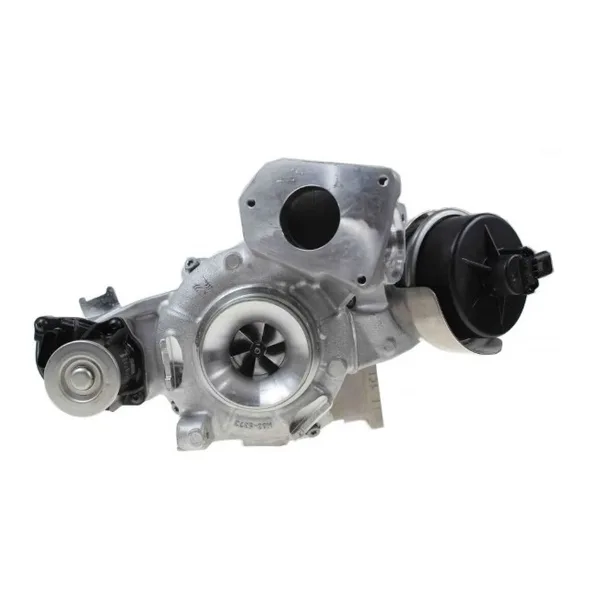
| Turbo BorgWarner - KKK 1745 988 0006 | Compatible with 2015-2020 models |
How to choose
Selecting the right turbo for a BMW 520d 163 HP requires attention to motorization specifics, including engine code and model year. Compatibility extends beyond basic fitment to include geometric variable geometry calibration and CHRA condition.
- Verify the engine code (e.g., N47D20) to ensure the turbo matches your vehicle’s exact motorization, avoiding mismatches that lead to performance issues.
- Check the turbo’s CHRA condition, as remanufactured units with tested cartridges offer longer service life than untested cores.
- Prioritize turbos with documented rotation history, as consistent use reduces the risk of premature bearing wear or imbalance.
- Confirm the turbo’s packaging includes core deposit instructions, simplifying the return process for used parts and reducing upfront costs.
- Assess the turbo’s geometric variable geometry calibration, as misaligned vanes can cause power loss or excessive exhaust smoke post-installation.
- Opt for turbos sourced from manufacturers with a track record in diesel applications, ensuring durability in high-temperature environments.
- Review the turbo’s OEM reference numbers to cross-check compatibility with your BMW’s service manual, eliminating guesswork in part selection.
Storage & logistics
Bulk-packaged turbos for the BMW 520d 163 HP require controlled storage to maintain CHRA integrity and prevent contamination. Wholesalers should rotate stock based on motorization demand, ensuring fresher units are prioritized for high-usage garages. Core deposits must be stored separately in labeled containers to streamline returns and avoid mix-ups with new inventory. Temperature-controlled environments are ideal, as extreme heat or cold can degrade seals or lubricants in remanufactured turbos.
Since 2026, our team has specialized in sourcing turbos that meet the exacting standards of BMW’s diesel engines, ensuring each unit delivers consistent performance without the risks of untested aftermarket parts.— autoKUR team
Related categories
Browse our other ranges:
Useful references
For regulatory and sector references, see Reglement (UE) 461/2010 — pieces de rechange et garantie constructeur.