

Frequently asked questions
About this category
The BMW 520d Mild-Hybrid 190 hp turbo category addresses a common pain point for owners and repairers: the need for a dependable, cost-effective turbocharger that restores lost power without the expense of a brand-new unit. This range includes remanufactured turbos designed to fit the N47K20C engine, covering model years from 2015 to 2023. Whether you’re a garage handling multiple repairs or a driver seeking a quick fix, these turbos are engineered to meet the demands of the Mild-Hybrid system while maintaining fuel efficiency.
Our turbo range for the BMW 520d Mild-Hybrid is built in collaboration with leading remanufacturers, ensuring each unit undergoes rigorous testing for geometry, cartridge integrity, and CHRA performance. The supply chain is managed by a dedicated wholesale network, delivering availability and competitive pricing for professionals. This approach bridges the gap between OEM quality and aftermarket affordability, with a focus on long-term reliability.
Professional uses by trade
Different users approach the BMW 520d Mild-Hybrid turbo category with distinct priorities, from garages prioritizing bulk orders to DIYers seeking a plug-and-play solution. The Mild-Hybrid system adds complexity, making compatibility and remanufacturing standards critical for all parties involved.
- Independent garage: Order exchange-standard turbos in bulk to minimize downtime for customers with 520d Mild-Hybrid models showing power loss or excessive smoke.
- Stranded motorist: Replace a failing turbo quickly with a remanufactured unit that restores performance without the wait for a dealership part.
- DIY enthusiast: Source a pre-tested turbo that matches the N47K20C engine’s specifications, avoiding costly mistakes during self-installation.
- German buyer (DACH): Access turbos designed for the BMW 520d Mild-Hybrid with clear compatibility notes and German-language support for seamless ordering.
- Performance tuner: Select a remanufactured turbo that maintains the Mild-Hybrid system’s balance between power and efficiency for modified engines.
- Fleet manager: Stock exchange-standard turbos to reduce vehicle downtime across a fleet of BMW 520d Mild-Hybrid models requiring routine maintenance.
- Classic car restorer: Find a turbo that fits the original engine configuration, ensuring authenticity while benefiting from modern remanufacturing standards.
Range comparison
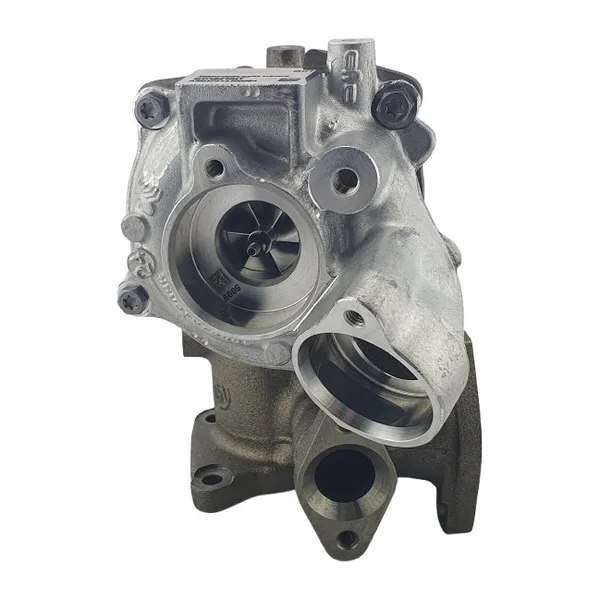
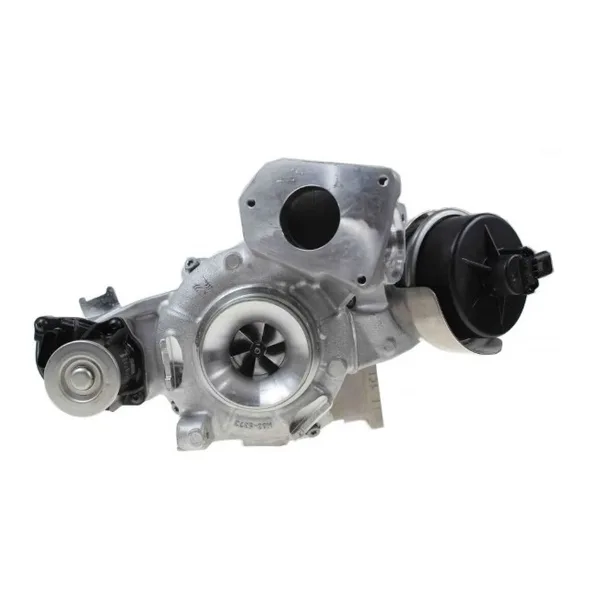
Below, you’ll find the two turbo models certified for the BMW 520d Mild-Hybrid 190 hp, each designed to meet the engine’s specific requirements and remanufacturing standards.
| Range | Use | Format |
|---|---|---|
| Turbo BorgWarner - KKK 1631 988 0052 | Direct replacement for N47K20C engines | |
| Turbo BorgWarner - KKK 1745 988 0006 | High-flow option for tuned Mild-Hybrid systems |
How to choose
Selecting the right turbo for your BMW 520d Mild-Hybrid depends on several factors, including the engine’s condition, intended use, and whether the Mild-Hybrid system requires a specific cartridge type.
- Check the engine code (N47K20C) to confirm compatibility with the turbo’s reference, avoiding mismatches that could void warranties or cause damage.
- Assess the turbo’s condition: remanufactured units should show no signs of excessive wear on the cartridge or CHRA components before installation.
- Consider the Mild-Hybrid system’s requirements: some turbos are designed to work with the electric motor’s torque delivery, ensuring smooth power transitions.
- Evaluate the packaging: bulk orders should include protective materials to prevent damage during transit, especially for garages handling multiple turbos.
- Prioritize units with a consistent remanufacturing history: look for turbos that have undergone geometry testing and CHRA balancing for reliable performance.
- Review the core deposit policy: some suppliers require a refundable deposit for used turbos, which can offset the cost of the new unit.
- Verify the supplier’s return policy: in case of incompatibility, a flexible return process saves time and reduces frustration for professionals.
Storage & logistics
For B2B buyers, proper storage of exchange-standard turbos is essential to maintain their condition before installation. Keep units in a dry, temperature-controlled environment away from direct sunlight, as moisture and heat can degrade seals and lubricants. Store turbos in their original packaging or protective sleeves to prevent contamination from dust or debris, which could affect performance. For garages managing large inventories, use labeled storage racks to track rotation and avoid stockpiling outdated models. Regularly inspect stored turbos for signs of corrosion or damage, and rotate stock to ensure older units are used first, maintaining a fresh supply for customers.
With over a decade in turbo remanufacturing, our team has seen how a well-chosen exchange-standard turbo can restore a BMW 520d Mild-Hybrid’s performance without the cost of a new unit. We focus on precision and compatibility, ensuring every turbo meets the engine’s exacting standards before it leaves our warehouse.— autoKUR team
Related categories
Browse our other ranges:
Useful references
For regulatory and sector references, see Reglement (UE) 461/2010 — pieces de rechange et garantie constructeur.