

Available products
4 references


Frequently asked questions
About this category
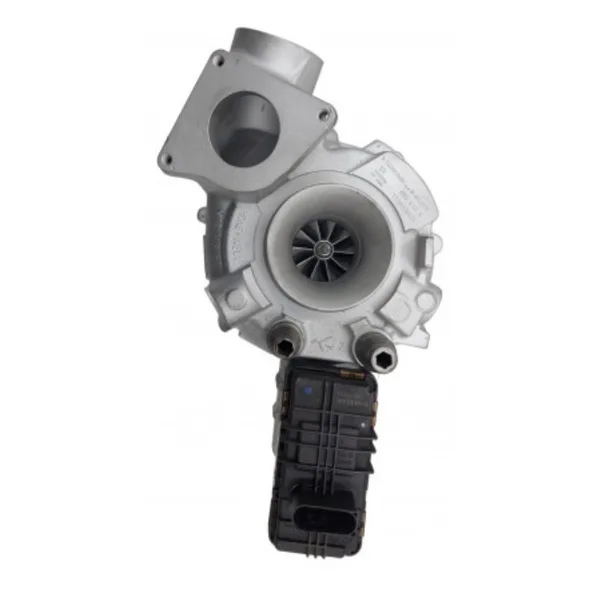
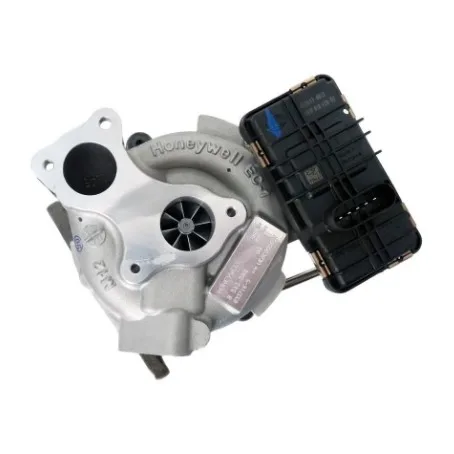
This category is dedicated to the BMW 425d 224 hp, a diesel engine known for its balance of power and efficiency, where the turbocharger plays a pivotal role in maintaining optimal combustion and air intake. Whether you are a professional mechanic handling multiple repairs or an enthusiast tackling a DIY project, this section provides the essential exchange standard turbos designed to restore your vehicle’s original performance without the need for costly dealership interventions.
The turbos listed here are sourced from reputable manufacturers and distributed through a network of automotive wholesalers, ensuring that garages and private buyers have access to high-quality, remanufactured components. The focus is on compatibility, durability, and ease of installation, with each unit tested to meet the stringent demands of the BMW 425d 224 hp’s engine specifications.
Professional uses by trade
Different users approach turbo replacement with distinct priorities: professionals prioritize speed and reliability, while DIYers value clarity and cost-effectiveness. This section breaks down how each group can leverage these turbos to resolve common engine issues efficiently.
- The independent garage mechanic: replaces a failing turbo on a BMW 425d 224 hp with a pre-tested exchange standard unit to minimize vehicle downtime and maintain customer trust.
- The stranded motorist: orders a turbo online to avoid expensive towing fees, ensuring the replacement part matches the vehicle’s exact motorization for a quick fix.
- The passionate DIYer: selects a turbo with clear installation instructions, reducing the risk of errors during the replacement process.
- The German buyer (DACH): prefers turbos labeled with German technical terms like 'generalüberholt' to align with local repair standards and warranty expectations.
- The fleet manager: sources multiple turbos in bulk to keep a fleet of BMW 425d vehicles operational without delays.
- The performance tuner: looks for turbos with variable geometry to enhance engine responsiveness while maintaining reliability.
- The budget-conscious buyer: chooses an exchange standard turbo to avoid the premium cost of a brand-new OEM unit while ensuring quality.
Range comparison
Below, you will find the available turbos for the BMW 425d 224 hp, each listed with its exact reference, intended use, and packaging format to simplify your selection process.
| Range | Use | Format |
|---|---|---|
| Turbo Garrett 833718-5005S | direct fit for common failure scenarios | |
| Turbo Garrett 833714-5002S | high-mileage vehicles requiring robust remanufacturing | |
| Turbo Garrett 833715-5003S | performance-oriented repairs with variable geometry | |
| Turbo Garrett 833716-5005S | emergency replacements for roadside repairs |
How to choose
Selecting the right turbo for your BMW 425d 224 hp involves evaluating several key factors, from the turbo’s internal design to its packaging and compatibility with your repair workflow.
- Check the turbo’s reference against your vehicle’s engine code to confirm a perfect match, avoiding mismatches that could lead to further complications.
- Prioritize turbos with variable geometry if your vehicle operates in varied driving conditions, as these adapt to optimize performance dynamically.
- Opt for units labeled as 'generalüberholt' or 'remanufactured' to ensure the internal components meet strict quality standards without the cost of a new OEM part.
- Verify the packaging format—whether boxed, sealed, or pre-balanced—to align with your workshop’s storage and handling procedures.
- Consider the turbo’s rotation direction and mounting points to ensure it fits seamlessly into your engine bay without modifications.
- For high-mileage vehicles, choose turbos with reinforced housings to withstand prolonged use and reduce the risk of premature failure.
- If ordering in bulk, select turbos with uniform dimensions to streamline inventory management and reduce storage space requirements.
Storage & logistics
Storing exchange standard turbos requires a clean, dry environment free from excessive humidity or temperature fluctuations, as these conditions can degrade the internal components over time. For garages, using labeled storage racks with individual compartments prevents cross-contamination between different turbo models. Always handle turbos with care, avoiding drops or impacts that could misalign the internal cartridges or damage the variable geometry mechanisms. Regularly inspect stored units for signs of corrosion or seal degradation, especially in regions with high seasonal temperature variations.
Since 2026, our team has processed hundreds of turbos for the BMW 425d 224 hp, refining our selection process to ensure every unit meets the exacting standards of independent workshops and DIY enthusiasts alike.— autoKUR team
Related categories
Browse our other ranges:
Useful references
For regulatory and sector references, see Reglement (UE) 461/2010 — pieces de rechange et garantie constructeur.