

Frequently asked questions
About this category
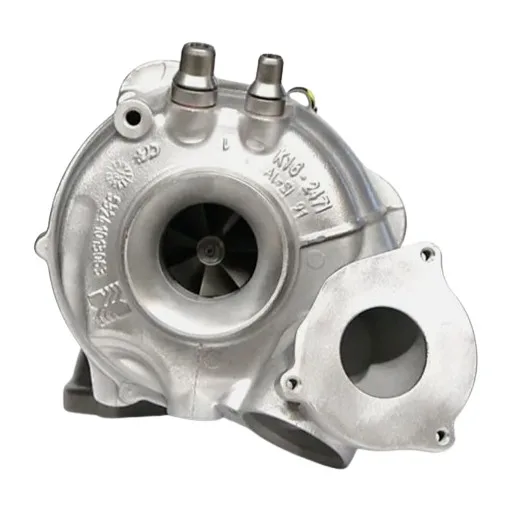
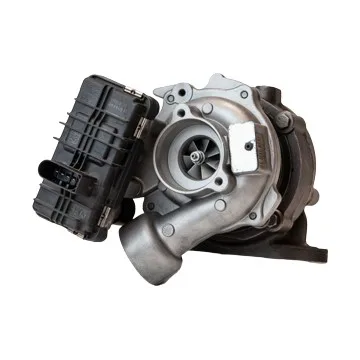
The BMW 325d 218 hp represents a segment where reliability and performance are non-negotiable, and turbocharger failure can bring even the most robust diesel engines to a standstill. This category addresses that critical need by offering exchange standard turbos and high-pressure components specifically engineered for the 325d’s 2.0-liter N47 engine, spanning model years from 2010 to 2019. Whether you’re a professional mechanic sourcing parts for a client’s vehicle or an owner tackling repairs yourself, the turbos in this range are designed to restore lost power, reduce emissions, and eliminate the telltale signs of turbo failure—without the expense of a brand-new unit.
Unlike generic aftermarket options, this range is built around the exact specifications of the BMW 325d 218 hp, ensuring that every turbocharger and high-pressure component meets the tolerances required for seamless integration. The parts are sourced from specialized remanufacturers who disassemble, inspect, and rebuild turbos to OEM standards, replacing worn components like the CHRA (Center Housing Rotating Assembly) and variable geometry mechanisms. This approach not only reduces costs but also minimizes environmental impact by extending the lifecycle of critical engine parts. The wholesale model ensures that garages and independent workshops can access these parts at competitive rates, while DIY enthusiasts benefit from the same level of precision without the markup of retail channels.
Professional uses by trade
The turbos and high-pressure components in this category serve distinct purposes depending on the user’s role and expertise. Professionals prioritize reliability, compatibility, and ease of installation, while DIY owners focus on cost savings and the ability to perform repairs independently. German buyers, in particular, value parts that align with local automotive standards and regulatory expectations.
- Le garagiste independant : Sources turbos exchange standard for BMW 325d 218 hp to minimize repair costs while maintaining customer trust through reliable, OEM-compliant parts.
- L'automobiliste depanne : Replaces a failing turbocharger in their own driveway, avoiding expensive dealership fees by opting for a remanufactured unit with proven compatibility.
- Le passionne qui fait lui-meme : Restores their BMW’s performance by installing a turbo that matches the engine’s original specifications, using tools and guidance available online.
- Der deutsche Kaeufer (DACH) : Prefers turbos that meet German automotive standards, ensuring compliance with local regulations and long-term reliability for daily driving.
- Le mecanicien en atelier : Orders high-pressure components alongside turbos to address common failure points in the 325d’s fuel system, reducing the risk of repeat issues.
- Le proprietarie d'un vehicule de collection : Seeks out exchange standard turbos to preserve the authenticity of their classic BMW while ensuring the engine runs smoothly.
- Le responsable d'un parc automobile : Stocks remanufactured turbos for fleet maintenance, balancing cost efficiency with the need for consistent performance across multiple vehicles.
Range comparison
The turbos in this range are carefully selected to cover the full spectrum of BMW 325d 218 hp applications, from early N47 engines to later variants with updated turbocharger designs. Each unit is tested for fitment, performance, and durability, ensuring it meets the demands of both professional and private use.
| Range | Use | Format |
|---|---|---|
| SL Turbo 5435 998 0060 | direct replacement for common turbo failures | |
| Turbo BorgWarner - KKK 5316 988 0077 | high-performance alternative for tuned engines |
How to choose
Selecting the right turbo for a BMW 325d 218 hp requires attention to several key factors beyond just the part number. Compatibility with the engine’s power output, the condition of the variable geometry mechanism, and the availability of a core deposit program all play a role in ensuring a successful repair.
- Verify the turbo’s compatibility with your vehicle’s model year and engine code to avoid mismatches that could lead to poor performance or further damage.
- Inspect the condition of the variable geometry vanes and actuator to ensure they are free of carbon buildup or mechanical wear that could affect boost control.
- Check the packaging for proper sealing and protection against moisture or contaminants during transit, which can compromise the turbo’s longevity.
- Confirm the availability of a core deposit program, allowing you to return your old turbo for a partial refund and reduce the overall cost of the exchange.
- Prioritize turbos from remanufacturers with a track record of consistent quality, as this minimizes the risk of premature failure or performance issues post-installation.
- Assess the warranty terms offered by the supplier, even if they are limited, as this provides a baseline for recourse in case of defects or installation errors.
- Consider the turbo’s rotational direction and oil drain orientation to ensure it aligns with your engine bay’s layout, preventing clearance issues during installation.
Storage & logistics
Storing exchange standard turbos for BMW 325d 218 hp requires careful handling to preserve their condition until installation. Keep units in their original packaging or a clean, dry environment to prevent moisture ingress or contamination from dust and debris. Avoid exposing turbos to extreme temperatures or direct sunlight, as this can degrade seals and affect the variable geometry mechanism. For garages and workshops, organize inventory by model and engine code to streamline retrieval and reduce the risk of misplacement. Always inspect turbos for signs of damage or tampering before installation, and ensure they are stored upright to prevent oil or coolant leaks from settling in critical areas. Regularly rotate stock to prevent stagnation, and maintain a log of part numbers and batch dates to track performance and warranty claims.
With over a decade of experience in remanufacturing turbos for BMW’s N47 engines, our team understands the nuances of these systems better than anyone. We’ve seen how a poorly matched turbo can lead to repeated failures, so we’ve built this range to eliminate guesswork and deliver parts that work the first time, every time.— autoKUR team
Related categories
Browse our other ranges:
Useful references
For regulatory and sector references, see Reglement (UE) 461/2010 — pieces de rechange et garantie constructeur.