


Frequently asked questions
About this category
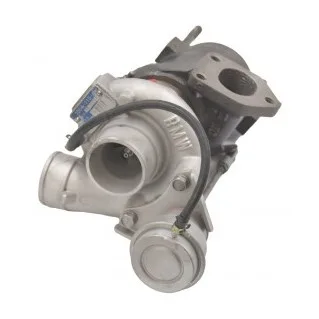
The Mitsubishi 325td 116 hp turbo category serves drivers and technicians facing turbocharger malfunctions, a frequent issue in diesel engines of this era. Whether you are a mechanic diagnosing a loss of power or a car owner seeking a cost-effective replacement, this range provides exchange standard turbos designed to restore original performance. The turbos listed here are remanufactured to meet OEM specifications, ensuring compatibility with the 4G15 engine and its variants.
This range is built by sourcing core turbos from vehicles in circulation, then subjecting them to a standardized remanufacturing process that includes cleaning, inspection, and replacement of worn components. The role of the wholesaler is critical here, as it bridges the gap between core suppliers and end-users, ensuring a steady supply of high-quality exchange standard units. The focus remains on delivering turbos that meet the technical demands of the 325td 116 hp without compromising on reliability.
Professional uses by trade
Different users approach the Mitsubishi 325td 116 hp turbo category with distinct needs, from garages requiring bulk orders to private owners performing their own repairs. The following sections outline how each group can leverage these exchange standard turbos to resolve turbocharger issues efficiently.
- Independent garage: Replace a failing turbo with an exchange standard unit to minimize vehicle downtime and maintain service schedules.
- DIY enthusiast: Source a remanufactured turbo to avoid the high cost of a new OEM part while ensuring compatibility with the 4G15 engine.
- German buyer (DACH): Purchase an exchange standard turbo for the 325td 116 hp to address common turbo failures in older diesel models without compromising on quality.
- Automotive technician: Use exchange standard turbos as a stopgap solution while waiting for a core deposit to arrive from a customer’s vehicle.
- Passionate driver: Restore lost power and reduce smoke emissions by installing a remanufactured turbo in a 325td 116 hp with high mileage.
- Workshop manager: Stock exchange standard turbos to offer customers a faster turnaround for turbo-related repairs, improving workshop efficiency.
- Private mechanic: Replace a damaged turbocharger with an exchange standard unit to avoid the expense of a brand-new part while ensuring reliable performance.
Range comparison
The following turbos are specifically remanufactured for the Mitsubishi 325td 116 hp, covering the most common failure points in the CHRA and variable geometry systems. Each unit is tested for compatibility and performance before being listed for sale.
| Range | Use | Format |
|---|---|---|
| Turbo Mitsubishi 49177-06410 | Direct replacement for common turbo failures | |
| Turbo Mitsubishi 49177-06400 | High-mileage applications with variable geometry issues |
How to choose
Selecting the right turbo for a Mitsubishi 325td 116 hp requires attention to several key factors, including core condition, remanufacturing standards, and compatibility with the vehicle’s engine management system.
- Verify the turbo’s reference number matches the vehicle’s OEM specification to ensure a seamless fit and avoid installation errors.
- Check the remanufacturing process includes replacement of the CHRA bearings and seals to prevent premature failure in high-mileage engines.
- Prioritize turbos with a documented history of consistent performance in similar applications to reduce the risk of repeat failures.
- Assess the packaging for protection against moisture and impact during transit, as this directly impacts the turbo’s condition upon arrival.
- Confirm the supplier’s return policy for core deposits, as this can significantly reduce the cost of future turbo replacements.
- Evaluate the availability of technical documentation, such as installation guides or compatibility charts, to streamline the repair process.
- Consider the supplier’s track record in handling diesel turbochargers, as experience with the 4G15 engine ensures better outcomes.
Storage & logistics
For workshops and bulk buyers, storing exchange standard turbos requires a controlled environment to prevent contamination or damage. Keep units in their original packaging until installation, and store them in a dry, temperature-stable location away from direct sunlight. Label each turbo with its reference number and compatibility details to avoid mix-ups during busy repair schedules. Regularly rotate stock to ensure older units are used first, maintaining freshness and reliability. For private buyers, ensure the turbo is stored in a clean, dry space until installation, and inspect the packaging for any signs of tampering before use.
With over a decade of experience in remanufacturing turbos for the 325td 116 hp, our team has seen firsthand how a well-chosen exchange standard unit can restore a vehicle’s performance without the expense of a new part. We’ve processed thousands of these turbos, and the feedback from garages and DIY mechanics confirms their reliability in real-world conditions.— autoKUR team
Related categories
Browse our other ranges:
Useful references
For regulatory and sector references, see Reglement (UE) 461/2010 — pieces de rechange et garantie constructeur.