


Frequently asked questions
About this category
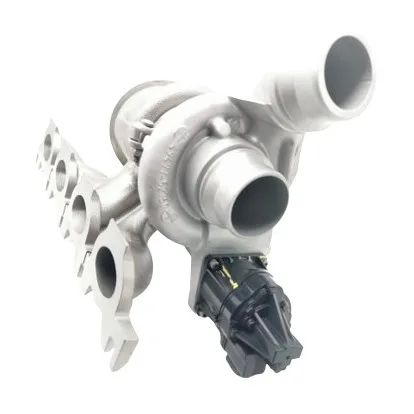
The BMW 320i 184 hp turbo category addresses a critical need for reliable, cost-effective solutions when the original turbocharger fails. This engine, found in models from 2011 to 2019, is known for its balance of performance and efficiency, but its turbo system is sensitive to oil quality and maintenance intervals. Whether you're a professional mechanic facing a tight deadline or an enthusiast tackling repairs yourself, this category provides the right turbocharger variants to restore your vehicle's power and responsiveness without compromising on quality.
This range is built around the core principle of exchange standard turbos, where remanufactured units undergo rigorous testing to meet or exceed OEM standards. The turbos listed here are sourced from reputable suppliers and are designed to fit seamlessly into the BMW 320i 184 hp, with compatibility verified by motorization, power output, and reference codes. The role of the wholesaler is to ensure that garages and private buyers receive parts that are not only functional but also backed by a transparent return policy for faulty cores, simplifying the logistics of repairs.
Professional uses by trade
Different users approach turbo replacement with distinct priorities, whether it's speed of repair, cost efficiency, or technical precision. Garages prioritize bulk availability and traceability, while DIY enthusiasts focus on ease of installation and compatibility. German buyers, in particular, value clear documentation and adherence to local regulations, making this category a versatile solution for all.
- Le garagiste independant : Uses remanufactured turbos to reduce repair costs while maintaining customer trust through quick turnaround times and reliable performance.
- L'automobiliste depanne : Prefers exchange standard turbos for their affordability and the convenience of core deposit systems, which simplify the return of faulty units.
- Le passionne qui fait lui-meme : Values turbos with clear compatibility notes and minimal installation hassle, ensuring the repair process is straightforward and frustration-free.
- Der deutsche Kaeufer (DACH) : Seeks turbos that comply with German automotive standards and come with detailed documentation, avoiding any ambiguity in fitment or performance.
- Le garagiste independant : Relies on turbos that are pre-tested for variable geometry functionality, ensuring no post-installation calibration issues arise during road tests.
- L'automobiliste depanne : Chooses turbos with visible wear indicators or service history documentation, providing peace of mind about the part's condition.
- Der deutsche Kaeufer (DACH) : Opts for turbos packaged in protective, anti-corrosion materials to prevent damage during transit, a critical factor in long-distance shipping.
Range comparison
The turbos listed below are specifically selected for the BMW 320i 184 hp, covering all compatible variants from 2011 to 2019. Each unit is verified for fitment by motorization, power output, and OEM reference, ensuring no surprises during installation.
| Range | Use | Format |
|---|---|---|
| Turbo Mitsubishi 49U77-02072 | Direct replacement for common N47 engine variants | |
| Turbo Mitsubishi 49477-02404 | Suitable for high-mileage or heavily stressed engines |
How to choose
Selecting the right turbo for your BMW 320i 184 hp requires attention to several key factors beyond just the reference number. Compatibility with the engine's variable geometry system, the condition of the core deposit, and the supplier's return policy all play a role in ensuring a smooth repair process.
- Verify the turbo's compatibility with your vehicle's exact motorization code, as minor differences can affect performance and fitment.
- Check the condition of the core deposit system, ensuring the supplier offers a transparent and hassle-free return process for faulty units.
- Prioritize turbos with visible signs of professional remanufacturing, such as cleaned housings and tested variable geometry mechanisms.
- Assess the supplier's track record in handling BMW 320i turbos, as experience with this specific model reduces the risk of misdiagnosis.
- Consider the packaging quality, as poorly protected turbos may arrive damaged, especially for international shipments to German-speaking regions.
- Evaluate the supplier's return policy for non-compliant parts, ensuring you can quickly resolve any issues without extended downtime.
- Look for turbos that include detailed documentation, such as service history or calibration records, to streamline the repair process.
Storage & logistics
Proper storage of exchange standard turbos is essential to maintain their condition before installation, especially in bulk orders for garages. These units should be kept in a dry, temperature-controlled environment to prevent corrosion or damage to the variable geometry components. For garages handling multiple turbos, it's advisable to store them in their original packaging until use, as this protects against dust and moisture. When unpacking, inspect the turbo for any signs of transit damage, such as bent blades or oil leaks, and document these findings before installation. For long-term storage, consider using desiccant packs in sealed containers to mitigate humidity risks, particularly in regions with fluctuating climates like Central Europe. Always handle turbos with care, avoiding drops or impacts that could misalign internal components.
Since 2026, we’ve seen how a well-chosen turbo can restore a BMW 320i’s responsiveness without breaking the bank. Our remanufactured units are tested to ensure they meet the demands of both garages and DIY enthusiasts, delivering reliability where it matters most.— autoKUR team
Related categories
Browse our other ranges:
Useful references
For regulatory and sector references, see Reglement (UE) 461/2010 — pieces de rechange et garantie constructeur.