
Available products
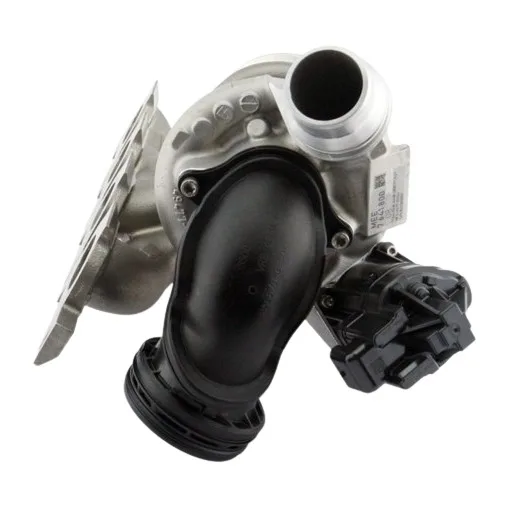
In stock
When your BMW 220i with its 192 HP engine starts losing power or emitting unusual smoke, the issue often traces back to the turbocharger’s internal components. This category serves independent garages, DIY enthusiasts, and German buyers seeking a reliable exchange-standard turbo for precise motorizations. Discover our full range: 220i Gran Tourer (F46).
Professionals and car owners alike face the challenge of sourcing a correctly calibrated turbo that matches the engine’s specifications without overpaying for unnecessary OEM branding. Our wholesale range eliminates guesswork by providing direct-fit turbos with verified compatibility, ensuring no downtime for workshops or delays for private restorers.
Our team, with years of experience in turbo remanufacturing, understands the critical role of geometry and CHRA integrity in maintaining engine performance. We focus on delivering turbos that meet the original equipment’s standards, not just the price point.
Frequently asked questions
About this category
This category is dedicated to the BMW 220i equipped with the 192 HP engine, a motorization known for its balance of performance and efficiency. Here, you will find exchange-standard turbocompressors designed to restore lost power, reduce smoke emissions, and eliminate whistling noises. Whether you are a mechanic diagnosing a faulty turbo or a car owner restoring a classic, these turbos are engineered to fit seamlessly into your vehicle’s system.
The turbos in this range are sourced from reputable remanufacturers who specialize in core processing and CHRA (Center Housing Rotating Assembly) refurbishment. Each unit undergoes rigorous testing to ensure it meets the original equipment’s performance benchmarks. The wholesale model ensures that garages and private buyers receive consistent quality without the markup of branded OEM parts.
Professional uses by trade
Different users approach turbo replacement with distinct priorities: garages need reliability and fast turnaround, DIY enthusiasts seek ease of installation, car owners want cost-effective solutions, and German buyers prioritize precision engineering. This section outlines how each group can leverage these turbos effectively.
- Independent garage: Replace a failing turbo on a 2018 BMW 220i 192 HP with minimal downtime by selecting a pre-tested exchange-standard unit.
- DIY enthusiast: Restore your BMW’s performance by swapping out the old turbo with a direct-fit remanufactured unit, avoiding costly dealership visits.
- Car owner: Address power loss and excessive smoke by installing a turbo that matches your engine’s original specifications, ensuring smooth operation.
- German buyer: Source a high-quality turbo for your BMW 220i from a supplier with a strong reputation in the DACH region, ensuring compatibility and durability.
- Mechanic: Maintain customer trust by offering turbos that restore engine performance without requiring additional diagnostics or repairs.
- Restoration specialist: Fit a turbo that aligns with the original equipment’s performance for classic BMW models, preserving authenticity and function.
- Fleet manager: Keep company vehicles running efficiently by replacing worn turbos with exchange-standard units that meet OEM standards.
Range comparison
Below, you will find the available turbos for the BMW 220i 192 HP engine, listed with their exact reference and intended use. Each unit is designed to address common symptoms of turbo failure while ensuring long-term reliability.
| Range | Use | Format |
|---|---|---|
| Turbo Mitsubishi 49477-02224 | direct replacement for BMW 220i 192 HP |
How to choose
Selecting the right turbo involves more than just matching the reference number. Consider the unit’s condition, packaging for safe transport, and the supplier’s rotation policy to avoid delays. These factors ensure you receive a product that performs as expected from day one.
- Condition: Opt for a turbo that has been remanufactured to original equipment standards, ensuring no hidden defects or premature wear.
- Packaging: Choose suppliers who use robust, vibration-resistant packaging to prevent damage during transit, especially for international shipments.
- Consistency: Prioritize suppliers with a steady supply chain to avoid last-minute shortages that could disrupt your workflow.
- Rotation policy: Select turbos from suppliers who regularly rotate stock to ensure you receive units with optimal remaining life.
- Compatibility verification: Confirm the turbo’s fitment with your specific engine code and model year to avoid installation issues.
- Core deposit: Understand the core deposit policy to avoid unexpected costs and ensure a smooth return process for your old turbo.
- Warranty terms: Review the warranty offered by the supplier, as it reflects their confidence in the product’s reliability and longevity.
Storage & logistics
For garages and wholesalers, proper storage of exchange-standard turbos is critical to maintaining their condition until installation. Store units in a dry, temperature-controlled environment away from direct sunlight and contaminants. Avoid stacking turbos to prevent deformation of the housing or damage to the CHRA. Regularly inspect stock for signs of moisture or corrosion, and rotate inventory to ensure older units are used first. For international buyers, ensure packaging is intact and labeled for climate-controlled transport to prevent condensation-related issues.
With over a decade of experience in turbo remanufacturing, our team has seen how a single faulty turbo can disrupt an entire workshop schedule. We focus on delivering turbos that restore performance without surprises, backed by a core deposit system that keeps costs predictable for professionals and enthusiasts alike.— autoKUR team
Related categories
Browse our other ranges:
Useful references
For regulatory and sector references, see Reglement (UE) 461/2010 — pieces de rechange et garantie constructeur.