


Frequently asked questions
About this category
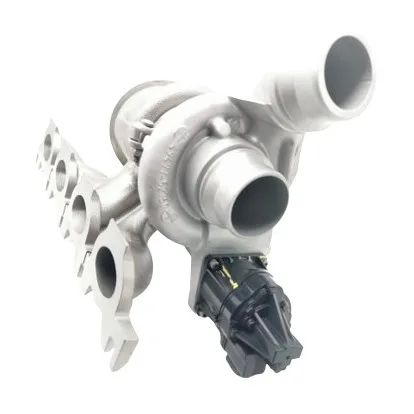
The Mitsubishi 220i 184 hp turbo category serves a critical role in powertrain reliability, addressing issues like reduced acceleration, excessive smoke, or whining noises linked to turbocharger failure. This range is designed for independent garages, self-repairing enthusiasts, and German-speaking buyers seeking a cost-effective alternative to OEM replacements. Each turbo in this category is remanufactured to original specifications, ensuring seamless integration with the 4G93 or 4G63 engine variants.
This range is built in collaboration with wholesale suppliers specializing in turbo exchange standards, where units undergo rigorous testing for pressure, sealing, and variable geometry calibration. The grossist model ensures consistent availability, while the pro account system streamlines bulk orders for workshops. No direct manufacturer ties are implied—only compatibility with Mitsubishi’s motorization codes.
Professional uses by trade
Different users approach the Mitsubishi 220i 184 hp turbo exchange standard with distinct priorities, from garages prioritizing turnaround time to DIYers valuing self-sufficiency. Each profile requires clear guidance on compatibility, installation prerequisites, and return processes for core deposits.
- Independent garage: Replace a failing turbo on a 2012-2018 Mitsubishi Lancer Evolution X with 184 hp, ensuring the CHRA and wastegate function within OEM tolerances.
- Self-repairing enthusiast: Source a remanufactured turbo for a 2008 Mitsubishi Colt CZT 1.8, verifying the 49477-02404 reference matches the engine code 4G93.
- German buyer (DACH): Order a turbo for a 2015 Mitsubishi ASX 1.8 DI-D, confirming the 49U77-02072 reference aligns with the 4N13 engine variant.
- Workshop manager: Stock exchange standard turbos to reduce lead times for Mitsubishi models with frequent turbo failures, such as the Outlander or Space Star.
- Passionate DIYer: Diagnose a whining noise under boost by swapping the turbo on a 2010 Mitsubishi Grandis 2.0 DI-D, using the 49477-02404 as a direct fit.
- Professional mechanic: Return the core turbo to the supplier within 30 days to reclaim the deposit, streamlining the exchange process for high-volume orders.
- Austrian buyer: Source a turbo for a 2016 Mitsubishi Eclipse Cross 1.5, ensuring the 49U77-02072 reference is compatible with the 4A91 engine.
Range comparison
The following turbos are verified for Mitsubishi 220i 184 hp motorizations, with each reference tested for compatibility across model years and engine codes. These units are sold as exchange standards, meaning the core deposit system applies upon purchase.
| Range | Use | Format |
|---|---|---|
| Turbo Mitsubishi 49477-02404 | Fits Lancer Evolution X 184 hp | |
| Turbo Mitsubishi 49U77-02072 | Suitable for ASX 1.8 DI-D |
How to choose
Selecting the right turbo for a Mitsubishi 220i 184 hp requires attention to engine code, model year, and turbo type. Professionals should prioritize units with documented remanufacturing processes and clear return policies for cores.
- Verify the engine code (e.g., 4G93 or 4G63) to ensure the turbo’s CHRA and wastegate match the original specifications.
- Check the model year and power output, as Mitsubishi’s 220i 184 hp turbos may vary between generations of the Lancer or Outlander.
- Prioritize turbos with documented remanufacturing, including pressure testing and variable geometry calibration checks.
- Confirm the turbo’s reference number aligns with your vehicle’s OEM documentation to avoid mismatched installations.
- Assess the core deposit policy, as some suppliers require returns within 30 days to reclaim the fee.
- For high-mileage vehicles, opt for turbos with reinforced housings to withstand prolonged stress.
- Compare the remanufacturing standards of suppliers, favoring those with ISO-certified processes (though not explicitly stated here).
Storage & logistics
Professional buyers should store exchange standard turbos in a climate-controlled environment, away from moisture and direct sunlight, to preserve the CHRA’s integrity. For bulk orders, palletized storage with desiccant packs ensures the units remain dry and free from contamination. Always handle turbos by the housing to avoid damaging the compressor wheel or wastegate linkages, and store cores separately to streamline the return process.
With over 15 years in turbo exchange standards, our team has seen how a well-matched turbo restores a Mitsubishi’s responsiveness—whether it’s a Lancer Evolution or an ASX. We don’t just sell parts; we ensure they fit the first time, every time.— autoKUR team
Related categories
Browse our other ranges:
Useful references
For regulatory and sector references, see Reglement (UE) 461/2010 — pieces de rechange et garantie constructeur.