

Available products
4 references


Frequently asked questions
About this category
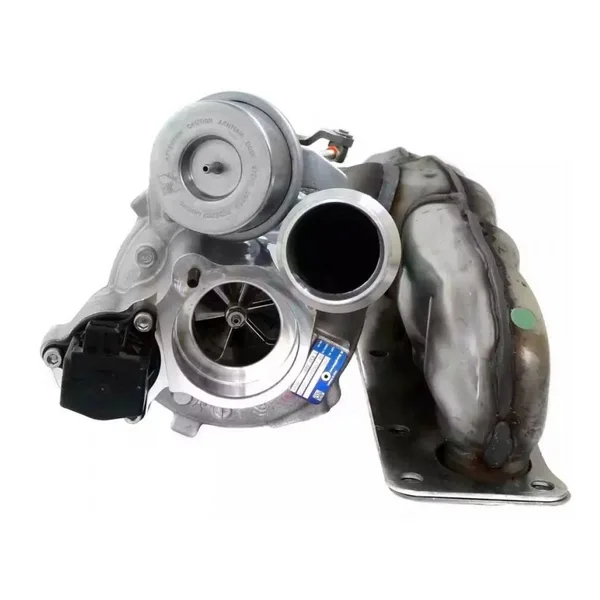
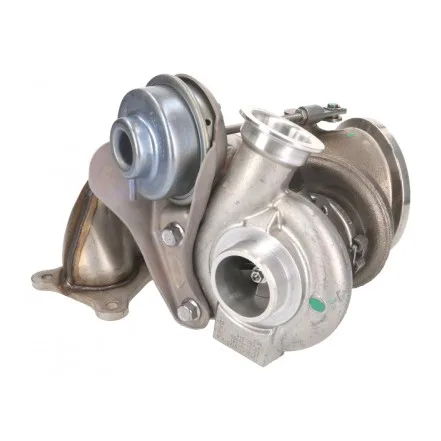
The BMW 135i’s twin-scroll turbocharged inline-six engines, particularly the N54 and N55 variants, are known for their performance but also for turbocharger wear over time. This category provides exchange-standard turbos designed to replace failing units while maintaining original specifications. Whether you’re a mechanic diagnosing a loss of power or a car owner seeking a cost-effective repair, these turbos offer a balance between performance and affordability.
The range is built around OEM references and equivalents from leading manufacturers like Mitsubishi and BorgWarner, ensuring broad compatibility across model years. As a B2B-focused supplier, we aggregate these units from trusted remanufacturers, providing garages with a one-stop solution for turbocharger exchange needs. The focus remains on remanufactured cartridges and CHRA components, not on repair services.
Professional uses by trade
Different users approach turbocharger replacement with distinct priorities. Garages prioritize speed and reliability, while DIY enthusiasts may focus on cost and ease of installation. German buyers, in particular, often seek units with documented remanufacturing processes and clear OEM references.
- Independent garages: Replace worn turbos on BMW 135i N54/N55 engines to restore power delivery and fuel efficiency without full engine teardown.
- DIY enthusiasts: Source a direct-fit turbocharger to avoid costly dealership repairs, leveraging exchange-standard units for budget-conscious projects.
- German buyers (DACH): Prefer turbos with documented remanufacturing and OEM references, ensuring compatibility with local workshop standards.
- Performance tuners: Select turbos compatible with aftermarket upgrades, focusing on units that support increased boost levels without immediate failure.
- Fleet managers: Procure exchange-standard turbos in bulk to minimize vehicle downtime for company cars or rental fleets.
- Classic BMW specialists: Find turbos for older 135i models where new units are no longer available, relying on remanufactured equivalents.
- Eco-conscious buyers: Choose exchange-standard turbos to reduce waste, as remanufacturing extends the lifecycle of existing components.
Range comparison
Below, you’ll find the core turbocharger exchange units for the BMW 135i 306 HP, listed with their exact OEM references and compatible formats. Each unit is sourced from remanufacturers specializing in CHRA and cartridge repairs.
| Range | Use | Format |
|---|---|---|
| Turbo Mitsubishi 49131-07051 | Direct replacement for N54 engines | |
| Turbo Mitsubishi 49131-07171 | High-flow option for tuned N55 engines | |
| Turbo Mitsubishi 49131-07161 | Budget-friendly N54/N55 fitment | |
| Turbo BorgWarner - KKK 1853 988 0007 | Premium alternative for N55 applications |
How to choose
Selecting the right turbocharger for your BMW 135i depends on several factors beyond just the OEM reference. Compatibility with your engine’s power level, the condition of the core unit, and the remanufacturer’s process all play a role in long-term reliability.
- Verify engine code (N54 or N55) to ensure the turbo matches your vehicle’s power delivery and fueling system requirements.
- Check the remanufacturer’s process: units with full CHRA rebuilds and geometry variable repairs offer longer service life than basic cartridge swaps.
- Assess the core condition: some suppliers require a core deposit, ensuring you return the old unit for remanufacturing, reducing waste.
- Consider power goals: high-flow turbos may suit tuned engines, while stock-replacement units are ideal for standard performance restoration.
- Evaluate packaging: bulk shipments for garages should include protective crating to prevent damage during transit and storage.
- Prioritize rotation: newer remanufactured units in stock reduce lead times for urgent repairs, critical for high-volume workshops.
- Confirm OEM equivalences: cross-reference part numbers with your vehicle’s build sheet to avoid mismatched turbos.
Storage & logistics
For garages and distributors, proper storage of exchange-standard turbos is essential to maintain their condition until installation. Keep units in their original packaging or sealed containers to prevent contamination from dust or moisture. Store in a climate-controlled environment, away from direct sunlight and extreme temperatures, which can degrade seals and lubricants. Rotate stock regularly to ensure older units are used first, reducing the risk of obsolescence. Label each batch with the remanufacturer’s date code and OEM reference for traceability, streamlining inventory management and warranty claims.
Since 2026, we’ve focused on sourcing turbos that meet the exacting standards of German workshops, where precision and reliability are non-negotiable. Our team verifies each unit’s geometry and CHRA integrity, ensuring it delivers consistent performance from the first start to the last mile.— autoKUR team
Related categories
Browse our other ranges:
Useful references
For regulatory and sector references, see Reglement (UE) 461/2010 — pieces de rechange et garantie constructeur.