

Available products
4 references


Frequently asked questions
About this category
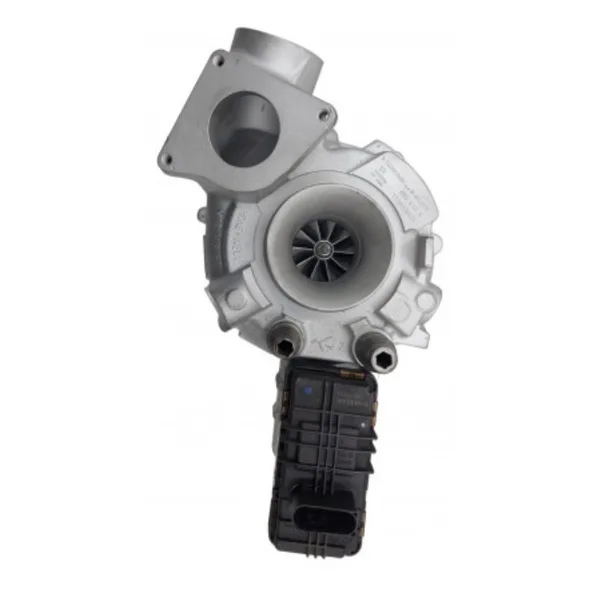
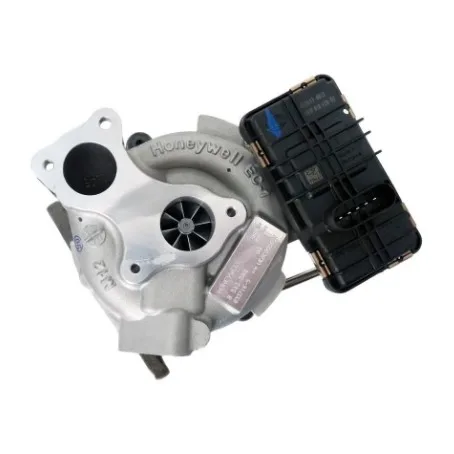
The BMW 125d 224 hp turbocharger category addresses a critical need for drivers and mechanics facing turbo-related failures in this specific engine configuration. Whether you’re an independent garage handling multiple repairs or an enthusiast tackling a DIY project, this range provides remanufactured turbos designed to restore your vehicle’s performance. Each unit is selected for its compatibility with the 125d’s turbocharged diesel engine, ensuring a direct fit and reliable operation without the uncertainty of generic alternatives.
This range is built around the core components of the BMW 125d 224 hp turbo system, including the turbocharger’s variable geometry, CHRA (Center Housing Rotating Assembly), and associated cartridges. The turbos listed here are sourced from reputable manufacturers and remanufactured to meet the engine’s exacting standards. The role of the wholesaler in this process is to aggregate high-quality, ready-to-install units, reducing lead times and simplifying procurement for professionals and private buyers alike.
Professional uses by trade
Different users approach turbo replacement with distinct priorities, whether it’s speed of repair, cost efficiency, or technical precision. Garages prioritize bulk availability and compatibility, while DIY enthusiasts seek clarity on fitment and installation. German buyers, in particular, value transparency in product condition and return policies for used cores. Each group benefits from a range tailored to their workflow and expectations.
- Independent garages: Replace failing turbos in BMW 125d 224 hp engines with remanufactured units to restore power and reduce repair time.
- DIY enthusiasts: Source a direct-fit turbo for their 125d project, ensuring compatibility without professional intervention.
- German mechanics: Order turbos with clear core return policies, aligning with local expectations for used part recycling.
- Passionate drivers: Address turbo lag or excessive smoke by swapping in a remanufactured unit, avoiding costly dealership repairs.
- Fleet managers: Maintain multiple BMW 125d vehicles with standardized turbo replacements, minimizing downtime across the fleet.
- Trucking workshops: Handle turbo failures in commercial BMW 125d applications with bulk-purchased exchange standard units.
- Classic car restorers: Source turbos for older 125d models, ensuring parts availability for long-term vehicle preservation.
Range comparison
The following turbos are specifically selected for the BMW 125d 224 hp engine, covering all compatible references and formats. Each unit is listed with its exact reference to ensure precise identification and fitment, whether for professional or private use.
| Range | Use | Format |
|---|---|---|
| Turbo Garrett 833714-5002S | Direct replacement for common turbo failures | |
| Turbo Garrett 833718-5005S | High-performance remanufactured turbo | |
| Turbo Garrett 833716-5005S | Turbo with variable geometry for optimal response | |
| Turbo Garrett 833715-5003S | Turbo cartridge for CHRA rebuilds |
How to choose
Selecting the right turbo for your BMW 125d 224 hp requires attention to several key factors beyond just the reference number. Professionals and private buyers alike should consider the unit’s condition, compatibility with the engine’s turbo system, and the supplier’s return policy for used cores.
- Condition: Opt for remanufactured turbos with a clear history of refurbishment to ensure reliability and longevity.
- Compatibility: Verify the turbo’s fitment with your vehicle’s exact motorization, including power output and year of manufacture.
- Core return: Choose suppliers offering a straightforward process for returning used turbos, often required for exchange standard purchases.
- Brand reputation: Prioritize turbos from manufacturers with a track record in diesel engine applications, such as Garrett.
- Packaging: Ensure the turbo arrives in protective packaging to prevent damage during transit, especially for DIY installations.
- Warranty terms: While no delivers are provided, reputable suppliers often include limited assurances on part condition and performance.
- Availability: Check lead times and stock levels to avoid delays in critical repairs, particularly for garages managing multiple jobs.
Storage & logistics
Proper storage of exchange standard turbos is essential to maintain their condition before installation. Keep units in a dry, temperature-controlled environment to prevent corrosion or moisture damage, especially in bulk orders for workshops. For garages, organizing turbos by vehicle model and motorization streamlines retrieval and reduces the risk of misplacement. German buyers should also verify that the supplier adheres to local regulations for handling used automotive parts, including core deposits and return logistics. Always inspect the packaging for signs of tampering or damage upon arrival, and store turbos in their original protective casing until installation to preserve their integrity.
With over a decade of experience in sourcing and remanufacturing turbos for BMW’s 224 hp diesel engines, our team understands the critical role these components play in vehicle performance. We’ve refined our selection to ensure every unit meets the exacting standards of mechanics and enthusiasts alike, delivering reliability without compromise.— autoKUR team
Related categories
Browse our other ranges:
Useful references
For regulatory and sector references, see Reglement (UE) 461/2010 — pieces de rechange et garantie constructeur.