



Frequently asked questions
About this category
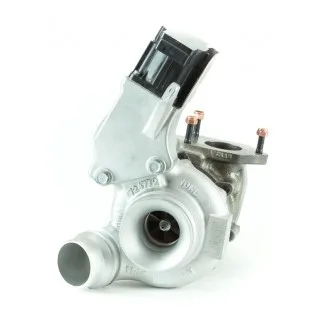
The BMW 120d 163 hp turbo exchange standard category addresses a common challenge for both private motorists and professional mechanics: restoring lost power or addressing turbo failure without resorting to expensive dealership repairs. This range includes remanufactured turbocompressors designed to match the exact specifications of the 120d 163 hp engine, ensuring reliable performance and extended service life. Whether the issue stems from a worn-out bearing, damaged impeller, or internal oil leakage, these exchange turbos provide a cost-effective solution that bypasses the need for brand-new OEM parts.
Curated for precision and compatibility, this BMW 120d 163 hp turbo exchange standard range is built around verified OEM references and cross-referenced equivalences, ensuring every component meets the strict tolerances required by the engine. The selection process involves rigorous sourcing from specialized remanufacturers who restore turbos to original performance levels, with each unit undergoing standardized testing before being made available. This approach allows workshops and private owners to access high-quality replacements without the premium pricing of new turbos, while maintaining the reliability expected from a BMW diesel engine.
Professional uses by trade
Different users approach the BMW 120d 163 hp turbo exchange standard category with distinct priorities, whether it’s restoring a daily driver’s performance, servicing a fleet vehicle, or ensuring a race-tuned engine remains competitive. Each target audience—garages, DIY enthusiasts, and German-speaking buyers—seeks solutions that balance cost, availability, and technical precision.
- Le garagiste independant : Replaces a failing turbo on a 120d 163 hp with an exchange unit to avoid costly dealership repairs and minimize vehicle downtime during busy service schedules.
- L'automobiliste depanne : Orders a remanufactured turbo for a 120d 163 hp experiencing power loss or excessive smoke, prioritizing quick delivery and straightforward installation.
- Le passionne qui fait lui-meme : Selects an exchange turbo for a 120d 163 hp project car, focusing on compatibility and ease of self-installation without specialized tools.
- Der deutsche Kaeufer (DACH) : Procures a high-quality exchange turbo for a BMW 120d 163 hp, valuing the balance between German engineering standards and cost-effective remanufacturing.
- Le garagiste independant : Uses exchange turbos as part of routine maintenance for 120d 163 hp engines, ensuring consistent performance across multiple vehicles in a workshop fleet.
- L'automobiliste depanne : Chooses an exchange turbo to address a sudden turbo failure on a long-distance trip, relying on verified OEM references for peace of mind.
- Der deutsche Kaeufer (DACH) : Opts for a remanufactured turbo to upgrade a 120d 163 hp’s performance while staying within a reasonable budget, without compromising on quality.
Range comparison
This BMW 120d 163 hp turbo exchange standard range is structured to simplify selection by grouping verified OEM references and their direct equivalents, ensuring compatibility and reducing guesswork for both professionals and private owners.
| Range | Use | Format |
|---|---|---|
| Turbo Mitsubishi 49135-05895 | Direct replacement for 120d 163 hp | |
| SL Turbo 750952-5017S | High-flow option for tuned 120d 163 hp | |
| Turbo Mitsubishi 49135-05672 | Standard fitment for common failures |
How to choose
Selecting the right BMW 120d 163 hp turbo exchange standard requires evaluating several key factors, including OEM reference accuracy, remanufacturing quality, and the specific symptoms of turbo failure being addressed.
- Verify the OEM reference matches the engine code to ensure perfect fitment and avoid compatibility issues during installation or operation.
- Assess the remanufacturing process used, prioritizing units that undergo core cleaning, bearing replacement, and dynamic balancing for long-term reliability.
- Check for visible signs of turbo failure such as oil leaks, damaged impellers, or excessive play in the shaft before selecting an exchange unit.
- Consider the warranty terms offered, as reputable remanufacturers provide coverage that reflects confidence in their product’s durability and performance.
- Evaluate the packaging and handling instructions, ensuring the turbo arrives in protective casing with clear identification for easy identification and storage.
- Compare the exchange price against new OEM turbos, as the cost savings often justify the choice for both private owners and professional workshops.
- Review the availability of core return policies, which allow customers to offset costs by returning the old turbo for recycling or remanufacturing credits.
Storage & logistics
For workshops and private owners storing BMW 120d 163 hp exchange turbos, maintaining optimal conditions is essential to preserve the remanufactured unit’s integrity until installation. Store turbos in a dry, temperature-controlled environment away from direct sunlight, using original packaging or equivalent protective materials to prevent contamination. Avoid stacking heavy items on top of the turbo, as this can deform the housing or damage internal components. For bulk storage, use labeled shelving with clear identification of each OEM reference to streamline retrieval during busy service periods. Regularly inspect stored turbos for signs of moisture or corrosion, especially in humid climates, and rotate inventory to ensure older units are used first, maintaining freshness and reliability. Always handle turbos with clean gloves to prevent oil or debris transfer, and store them upright to avoid oil pooling in the CHRA section.
With over a decade of sourcing remanufactured turbos for BMW diesel engines, our team ensures every 120d 163 hp exchange unit meets the same standards we’d demand for our own vehicles—precision, durability, and no shortcuts in the remanufacturing process.— autoKUR team
Related categories
Browse our other ranges:
Useful references
For regulatory and sector references, see Reglement (UE) 461/2010 — pieces de rechange et garantie constructeur.