


Frequently asked questions
About this category
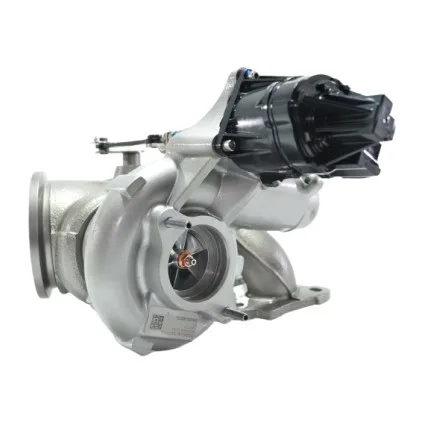
The 3.0 500 HP diesel turbocharger category at autoKUR serves a critical need in the European aftermarket, where Mitsubishi engines power commercial vehicles, performance cars, and utility trucks. This range includes remanufactured turbos designed for engines producing around 500 horsepower, addressing issues like boost leaks, vane sticking, or complete turbo failure. Whether you’re a mechanic diagnosing a loss of power or a driver seeking a cost-effective replacement, these units are engineered to restore original performance levels without the premium of new OEM parts.
autoKUR’s approach to this category is built on a wholesale model, sourcing cores from European fleets and industrial applications where Mitsubishi 3.0 500 HP engines are prevalent. The remanufacturing process prioritizes core integrity, with each unit undergoing rigorous inspection, cleaning, and replacement of wear-prone components like bearings, seals, and variable geometry mechanisms. This ensures the final product meets the demands of high-performance diesel applications while remaining accessible to independent workshops and DIY mechanics.
Professional uses by trade
Different users approach turbo replacement with distinct priorities: garages need reliability and fast turnaround, stranded drivers seek immediate solutions, enthusiasts demand performance consistency, and German buyers expect precision engineering. Below, we outline how each group benefits from this category.
- Le garagiste independant : Uses these turbos as direct replacements for failed units in Mitsubishi 3.0 500 HP engines, reducing diagnostic time by matching OEM references and symptoms like excessive black smoke or boost pressure drops.
- L'automobiliste depanne : Relies on these turbos to get back on the road quickly when a turbo failure leaves the vehicle undriveable, avoiding costly towing or dealership visits by opting for an exchange-standard unit.
- Le passionne qui fait lui-meme : Prefers these remanufactured turbos for their balance of cost and performance, allowing hands-on installation without compromising on quality or compatibility with high-power diesel setups.
- Der deutsche Kaeufer (DACH) : Expects turbos that meet German engineering standards, with precise variable geometry calibration and durable construction to handle the demands of 3.0 500 HP diesel applications in commercial and performance contexts.
- Le garagiste independant : Chooses these turbos for fleets where Mitsubishi 3.0 500 HP engines are common, benefiting from bulk availability and consistent quality to minimize vehicle downtime during repairs.
- L'automobiliste depanne : Selects these units when a turbo failure occurs in remote areas, where access to OEM parts is limited but exchange-standard remanufactured options are readily available.
- Der deutsche Kaeufer (DACH) : Prioritizes turbos with proven variable geometry systems, ensuring smooth power delivery and reduced emissions in compliance with European regulations for high-performance diesel engines.
Range comparison
Below, we compare the two Mitsubishi 3.0 500 HP turbocharger references available in this category, highlighting their compatibility, construction, and intended applications to help you select the right unit for your needs.
| Range | Use | Format |
|---|---|---|
| Turbo Mitsubishi 49335-02004 | High-flow turbo for performance diesel | |
| Turbo Mitsubishi 49335-02054 | Variable geometry turbo for commercial fleets |
How to choose
Selecting the right turbo for a Mitsubishi 3.0 500 HP engine requires evaluating several factors beyond OEM references, including variable geometry functionality, core condition, and intended use case.
- Variable geometry calibration must match the engine’s boost requirements to avoid power loss or over-boosting, especially in performance or heavily loaded applications.
- Core condition is critical: inspect for cracks, worn bearings, or damaged vanes, as these defects can compromise performance even after remanufacturing.
- Compatibility extends beyond OEM references to include mounting patterns, oil and coolant port locations, and electrical connections for variable geometry systems.
- Consistent quality in remanufacturing ensures longevity, with attention to seal integrity, bearing preload, and balancing to prevent premature failure.
- Rotation of stock is essential for garages to avoid dead inventory, so choose turbos with broad application coverage across Mitsubishi 3.0 500 HP engines.
- Storage conditions post-remanufacturing must protect against moisture and contamination, as these factors can degrade internal components over time.
- Bulk purchasing for fleets or workshops requires verifying packaging integrity to prevent damage during transit and ensure units arrive ready for installation.
Storage & logistics
For B2B customers, proper storage of remanufactured turbos is non-negotiable to maintain performance and longevity. Units should be kept in a climate-controlled environment, away from direct sunlight and humidity, with protective caps on oil and coolant ports to prevent contamination. Regular rotation of stock ensures fresher units are used first, reducing the risk of seal degradation or bearing wear over time. For workshops, storing turbos in sealed plastic bags with desiccant packets adds an extra layer of protection against moisture, which is particularly critical for variable geometry turbos where precision components are sensitive to corrosion.
Since 2026, our team has processed hundreds of Mitsubishi 3.0 500 HP turbos, refining our remanufacturing process to focus on core integrity and variable geometry calibration. We’ve seen firsthand how a poorly remanufactured turbo can fail within months, so we prioritize durability over shortcuts—every unit leaving our facility meets the same standards we’d expect in our own vehicles.— autoKUR team
Related categories
Browse our other ranges:
Useful references
For regulatory and sector references, see Reglement (UE) 461/2010 — pieces de rechange et garantie constructeur.