

Frequently asked questions
About this category
The 2.0 TDI 150 HP turbocharger category addresses a common pain point for drivers and mechanics: the need for a high-quality, cost-effective replacement turbo that restores engine efficiency. This range includes remanufactured units designed to match original equipment specifications, ensuring seamless integration for vehicles from major European manufacturers. Whether for routine maintenance or emergency repairs, these turbos provide a dependable solution without the premium of brand-new OEM parts.
Curated by specialist wholesalers, this turbocharger range is built to serve the dual demands of professional workshops and private buyers. The selection process prioritizes compatibility, durability, and value, with each unit sourced from reputable remanufacturers. By focusing on exchange standard turbos, the range bridges the gap between affordability and performance, ensuring mechanics and motorists alike can access reliable components without compromise.
Professional uses by trade
Different users approach turbocharger replacement with distinct priorities, whether it’s minimizing downtime, ensuring long-term reliability, or balancing cost with quality. Independent garages, stranded motorists, DIY enthusiasts, and German-speaking buyers each have tailored needs that this category addresses through precise compatibility and remanufactured quality.
- Independent garage: Replace a failing turbo on a 2012 Volkswagen Passat 2.0 TDI 150 HP with a remanufactured unit to restore full engine performance and avoid costly downtime.
- Stranded motorist: Order an exchange standard turbo for a 2015 Audi A4 2.0 TDI 150 HP after noticing excessive smoke and power loss, ensuring a quick return to the road.
- DIY enthusiast: Source a compatible turbo for a 2010 Skoda Octavia 2.0 TDI 150 HP to perform the replacement at home, saving on labor costs while maintaining vehicle reliability.
- German-speaking buyer: Find a remanufactured turbo for a 2013 Seat Leon 2.0 TDI 150 HP with clear instructions and support in German, simplifying the repair process.
- Workshop manager: Stock exchange standard turbos for 2.0 TDI 150 HP engines to reduce lead times and offer customers a cost-effective alternative to new OEM parts.
- Fleet operator: Maintain a supply of remanufactured turbos for company vehicles with 2.0 TDI 150 HP engines, ensuring consistent uptime and predictable maintenance costs.
- Passionate driver: Upgrade to a remanufactured turbo for a 2014 BMW 320d 2.0 TDI 150 HP to enhance performance without the expense of a brand-new unit.
Range comparison
This section compares the available exchange standard turbos for 2.0 TDI 150 HP engines, highlighting their compatibility, remanufacturing standards, and practical applications for different users.
| Range | Use | Format |
|---|---|---|
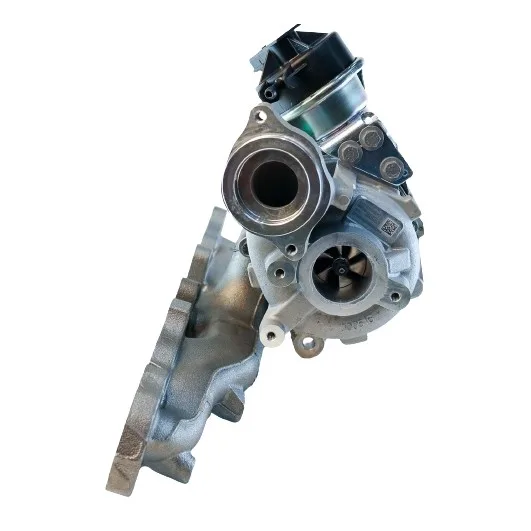
| Turbo MAHLE 030TC11005000 | Direct replacement for VW Group 2.0 TDI 150 HP | |
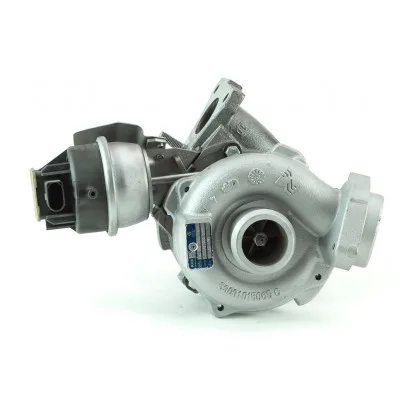
| SL Turbo 5303 988 0190 | Compatible with Audi, Seat, and Skoda 2.0 TDI 150 HP |
How to choose
Selecting the right turbocharger for a 2.0 TDI 150 HP engine requires attention to compatibility, remanufacturing quality, and practical considerations like packaging and return policies. This section outlines key factors to guide your decision.
- Verify the engine code and vehicle model to ensure the turbo matches your 2.0 TDI 150 HP application, avoiding mismatches that could lead to performance issues.
- Prioritize turbos labeled as remanufactured or exchange standard, as these units undergo rigorous testing to meet OEM performance benchmarks.
- Check the packaging for protective seals and clear labeling, which indicate the turbo has been handled and stored correctly before delivery.
- Assess the return policy for used cores, as some suppliers require a core deposit to facilitate the remanufacturing process and ensure sustainability.
- Evaluate the supplier’s track record in turbocharger remanufacturing, focusing on consistency and customer feedback to gauge reliability.
- Consider the availability of technical support, especially if you’re a DIY enthusiast or working in a non-native language environment.
- Review the warranty terms, which should outline coverage for defects while clarifying that installation and labor are the responsibility of a third party.
Storage & logistics
Proper storage of exchange standard turbos is essential to maintain their condition before installation. Keep units in a dry, temperature-controlled environment to prevent corrosion or damage to internal components. For workshops, organize turbos by vehicle model and engine code to streamline retrieval and reduce errors. Always inspect the packaging for integrity upon arrival, and store cores returned for remanufacturing in a separate, labeled area to avoid mix-ups. Suppliers should provide clear handling instructions to ensure turbos remain in optimal condition until they’re ready for use.
With over a decade in the turbocharger remanufacturing industry, our team has seen firsthand how the right exchange standard unit can transform a struggling engine back to peak performance. We don’t just sell turbos—we provide solutions that keep vehicles on the road, whether for a mechanic in a hurry or a driver stranded by a sudden failure.— autoKUR team
Related categories
Browse our other ranges:
- 55 TFSI E Quattro 367 hp
- 50 TFSI E Quattro 299 hp
- 2.0 TFSI 249 hp
- 45 TFSI Mild Hybrid 245 hp
- 2.0 TDI 190 hp
- 2.0 TDI 136 hp
Useful references
For regulatory and sector references, see Reglement (UE) 461/2010 — pieces de rechange et garantie constructeur.