
Available products
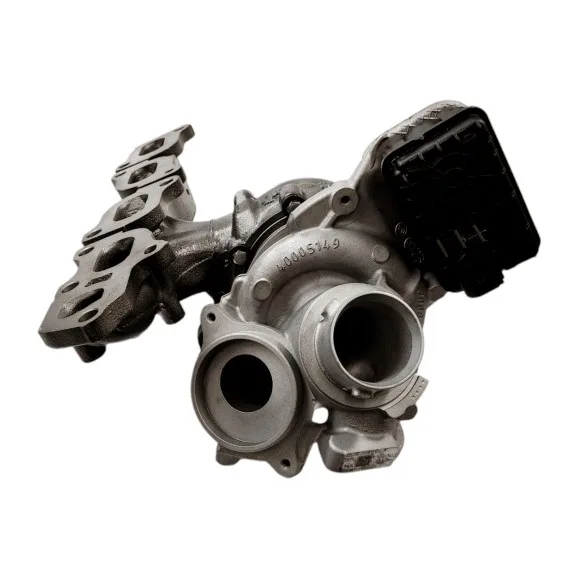
In stock
1 exchange-standard reference(s) match the AUDI Q3 Sportback (F3N) 35 TDI 150 hp (110 kW diesel). Output is the deciding criterion: a part meant for another output of the same displacement will not fit.
Engine specification: diesel. Matching part number: 05L253019F (BMTS). Compare with the code stamped on your part.
Other engines of the AUDI Q3 Sportback (F3N): 40 TDI 190 hp, 40 TFSI 190 hp, 35 TDI Quattro 150 hp. If the code stamped on your part is legible, search by reference remains the safest route. 24-month warranty.
Related categories
Frequently asked questions
About this category
The Volkswagen 35 TDI 150 hp turbo exchange standard category serves independent garages, self-repairing enthusiasts, and professional mechanics who need a dependable solution for restoring power loss, excessive smoke, or turbo lag in this specific engine configuration. Here, you’ll find remanufactured turbos designed to replace the original unit while maintaining the same performance and durability standards expected from OEM parts. This category excludes generic aftermarket options, focusing exclusively on exchange-standard turbos that match the 35 TDI 150 hp’s variable geometry and CHRA specifications.
Our range is built in collaboration with wholesale suppliers specializing in remanufactured turbochargers, ensuring each unit undergoes rigorous testing for geometry accuracy, cartridge integrity, and leak-free operation. The grossist role here is to bridge the gap between remanufacturers and end-users, providing access to high-quality turbos without the markup of traditional OEM channels. This approach allows workshops to maintain competitive pricing while offering customers a cost-effective alternative to brand-new replacements.
Professional uses by trade
Different users approach this category with distinct needs: garages prioritize bulk availability and fast turnaround, while DIY enthusiasts seek clarity on compatibility and installation ease. Der deutsche Käufer values precision in specifications and adherence to German engineering standards.
- Independent garages: Source turbos in bulk to stock their shelves for quick replacements during peak service periods, reducing lead times for customers waiting on critical repairs.
- Self-repairing enthusiasts: Identify the exact turbo model needed for their 35 TDI 150 hp engine, ensuring a direct fit without guesswork or misordered parts.
- Professional mechanics: Verify compatibility with the vehicle’s motorization, power output, and year of manufacture before ordering to avoid costly returns or mismatches.
- German buyers (DACH): Prefer turbos labeled with precise OEM references and clear geometry variable details to align with local workshop expectations and regulatory standards.
- Fleet managers: Purchase exchange-standard turbos for company vehicles, balancing cost efficiency with the need for reliable, long-lasting replacements.
- Truck and van repair shops: Stock turbos for commercial diesel engines, where downtime directly impacts business operations and customer satisfaction.
- Classic car restorers: Find turbos for older 35 TDI models, ensuring the replacement unit matches the era-specific design and performance characteristics.
- Passionate DIYers: Seek turbos with clear installation guides and minimal risk of fitment issues, allowing them to complete the job with confidence.
Range comparison
Below, you’ll find the available turbos for the Volkswagen 35 TDI 150 hp, each listed with its exact reference, intended use, and packaging format to simplify your selection process.
| Range | Use | Format |
|---|---|---|
| Turbo BMTS 05L253019F | individual sale for DIYers |
How to choose
Selecting the right turbo for your 35 TDI 150 hp requires attention to several key factors, from packaging to long-term reliability, ensuring the part meets both your technical and logistical needs.
- Verify the turbo’s OEM reference matches your engine’s motorization code to avoid compatibility issues during installation or post-purchase returns.
- Check the packaging format—bulk cartons for workshops, individual boxes for DIYers—to align with your storage and handling capabilities without unnecessary waste.
- Assess the condition of the turbo’s variable geometry system and CHRA, ensuring no signs of wear or damage that could compromise performance after installation.
- Confirm the supplier’s return policy for core deposits, as many exchange-standard turbos require returning the old unit to avoid additional fees or delays.
- Evaluate the supplier’s stock rotation practices to ensure you receive a recently remanufactured unit rather than one sitting in storage for extended periods.
- Prioritize turbos with clear documentation on remanufacturing processes, including cartridge replacement and geometry calibration, for transparency and trust.
- Consider the supplier’s lead times and shipping options, especially if you operate in a region with strict deadlines or high demand for diesel engine repairs.
Storage & logistics
For professional workshops, storing exchange-standard turbos requires climate-controlled environments to prevent moisture damage or corrosion, particularly in regions with high humidity or temperature fluctuations. Palletized crates should be stacked no higher than three units to avoid crushing or deformation of the packaging, while individual boxes benefit from shelf storage with adequate spacing to prevent dust accumulation. Always keep spare turbos away from direct sunlight and heat sources, as prolonged exposure can degrade seals and affect the variable geometry system’s performance. Implement a first-in, first-out (FIFO) rotation system to ensure older stock is used before newer arrivals, reducing the risk of receiving units that have been stored for excessive periods. Label each storage unit with the turbo’s reference, batch number, and receipt date to streamline inventory management and simplify recalls or quality checks.
With over a decade of experience in sourcing remanufactured turbos, our team has seen firsthand how the right exchange-standard unit can restore a 35 TDI 150 hp’s performance without the premium of OEM parts—proving that quality and affordability aren’t mutually exclusive.— autoKUR team
Related categories
Browse our other ranges:
Useful references
For regulatory and sector references, see Reglement (UE) 461/2010 — pieces de rechange et garantie constructeur.