
Available products
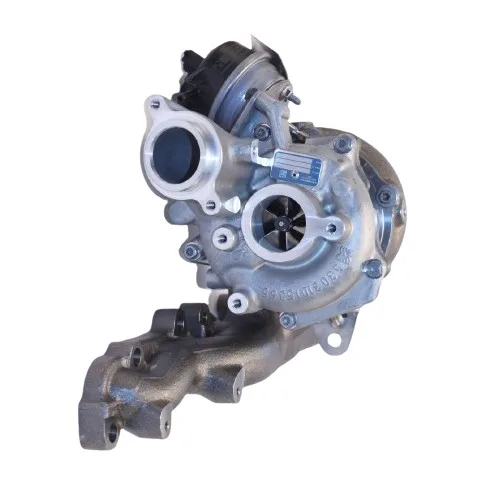
In stock
For the AUDI A5 Sportback (8TA) in 2.0 TDI 190 hp (140 kW diesel), the autoKUR catalogue holds 1 exchange-standard reference(s). At equal displacement, two outputs do not call for the same part.
Engine specification: 1968 cm³, diesel, built from 09/2013 to 01/2017. Matching part number: 5303 988 0620 (SL Turbo). Compare with the code stamped on your part.
Other engines of the AUDI A5 Sportback (8TA): 3.0 TDI 240 hp, 2.0 TFSI 230 hp, 2.0 TFSI 224 hp. If the code stamped on your part is legible, search by reference remains the safest route. 24-month warranty.
Related categories
Frequently asked questions
About this category
The 2.0 TDI 190 hp turbo category addresses a common pain point for drivers and mechanics: turbocharger failure in high-performance diesel engines. This section provides access to exchange standard turbos designed for Volkswagen, Audi, Skoda, and Seat models, covering model years from 2008 to present. Whether you're a garage managing multiple repairs or a motorist facing sudden power loss, this category offers a practical alternative to expensive OEM parts.
Turbochargers in this range are sourced from specialized remanufacturers who restore core components to factory specifications. The process includes thorough testing of the CHRA (Center Housing Rotating Assembly) and variable geometry mechanisms, ensuring reliability comparable to new units. Wholesale suppliers play a key role by aggregating these parts, providing garages with consistent availability and competitive pricing for bulk orders.
Professional uses by trade
Different users approach turbo replacement with distinct priorities: garages prioritize efficiency and compatibility, while DIY enthusiasts focus on cost savings and ease of installation. This section outlines how each group can leverage exchange standard turbos to resolve performance issues without compromising quality.
- Le garagiste independant : Replace a failing turbo on a 2015 Audi A6 3.0 TDI with minimal downtime, using a remanufactured unit that matches OEM specifications for seamless integration.
- L'automobiliste depanne : Restore power to a 2012 Volkswagen Passat 2.0 TDI 190 hp by sourcing a turbo in exchange standard, avoiding the expense of a dealership repair.
- Le passionne qui fait lui-meme : Install a remanufactured turbo on a 2018 Skoda Superb 2.0 TDI, leveraging detailed compatibility guides to ensure correct fitment.
- Der deutsche Kaeufer (DACH) : Find a turbo for a 2016 Seat Leon 2.0 TDI 190 hp with variable geometry, ensuring long-term reliability for daily commuting and weekend drives.
- Le garagiste independant : Order turbos in bulk for a fleet of company vehicles, benefiting from core deposit systems that reduce upfront costs for customers.
- L'automobiliste depanne : Diagnose a turbo failure by matching symptoms like excessive smoke or loss of boost pressure to the correct remanufactured unit.
- Der deutsche Kaeufer (DACH) : Purchase a turbo with a core deposit option, allowing for a straightforward exchange process when returning the old unit.
Range comparison
This table compares the available turbos for the 2.0 TDI 190 hp category, highlighting their key features and intended applications. Each option is designed to meet the demands of professional workshops and DIY users alike.
| Range | Use | Format |
|---|---|---|
| SL Turbo 5303 988 0620 | Designed for engines with 190 hp power output |
How to choose
Selecting the right turbo for a 2.0 TDI 190 hp engine requires attention to compatibility, remanufacturing quality, and packaging. This section outlines the key factors to consider when choosing an exchange standard turbo, ensuring a successful repair or upgrade.
- Verify the turbo's compatibility with your vehicle's exact model year and engine code to avoid mismatches in fitment or performance.
- Prioritize turbos with remanufactured CHRA components, as these are tested for consistent boost pressure and longevity.
- Check the packaging for protective seals and core deposit instructions, which streamline the return of your old turbo.
- Opt for suppliers with a proven track record in remanufacturing, ensuring the unit meets or exceeds OEM standards.
- Consider the core deposit system, which reduces upfront costs and simplifies the exchange process for both garages and DIY users.
- Evaluate the turbo's variable geometry mechanism, as this directly impacts engine responsiveness and fuel efficiency.
- Choose a supplier with clear documentation, including compatibility charts and installation guides for hassle-free repairs.
Storage & logistics
Proper storage of exchange standard turbos is essential to maintain their performance and longevity. Keep units in a dry, temperature-controlled environment away from direct sunlight and contaminants. For garages, organize turbos by vehicle model and engine code to streamline inventory management. Always inspect packaging for damage before storage, and rotate stock to ensure older units are used first. Core deposit systems require clear labeling of returned turbos to avoid mix-ups during processing. Suppliers should provide guidelines for handling and storing remanufactured units, including protection against moisture and vibration.
With over a decade of experience in turbo remanufacturing, our team ensures each 2.0 TDI 190 hp unit meets the highest standards of quality and compatibility. We focus on delivering turbos that restore performance without the premium price of OEM parts, backed by a core deposit system that benefits both garages and DIY enthusiasts.— autoKUR team
Related categories
Browse our other ranges:
Useful references
For regulatory and sector references, see Reglement (UE) 461/2010 — pieces de rechange et garantie constructeur.