

Frequently asked questions
About this category
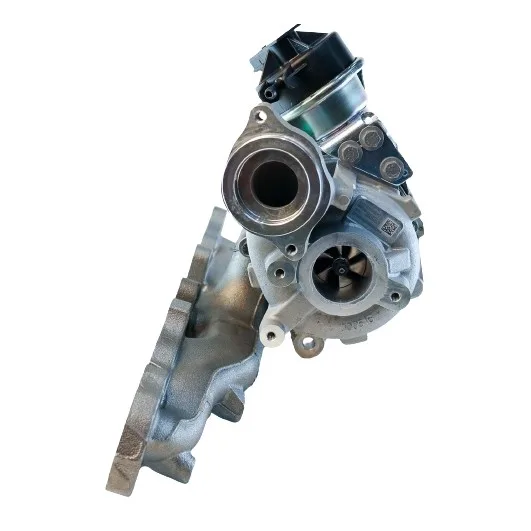
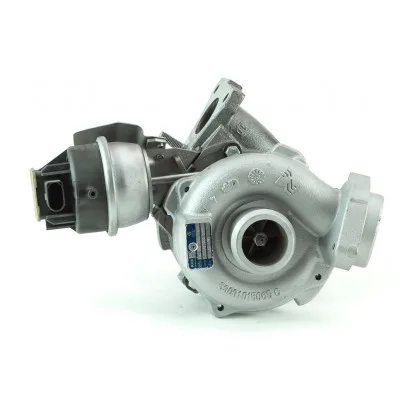
The 2.0 TDI 136 hp turbocharger category addresses a critical need for drivers and mechanics dealing with turbo failure in Volkswagen Group vehicles, including models like the Golf, Passat, Octavia, and Leon. This range includes exchange standard turbos designed for direct replacement, covering symptoms such as power loss, excessive smoke, or unusual noises. The units are remanufactured to meet OEM standards, ensuring reliability without the expense of a brand-new turbo.
This range is built by sourcing turbos from specialized remanufacturers who disassemble, inspect, and rebuild units to original specifications. The role of the wholesaler is to aggregate these high-quality exchange standard parts, providing garages and DIYers with a single point of access to a broad catalog. The focus is on reducing lead times and costs while maintaining compatibility across multiple vehicle models and years.
Professional uses by trade
Different users approach the 2.0 TDI 136 hp turbocharger exchange standard category with distinct needs: garages prioritize bulk availability and fast turnaround, stranded drivers seek immediate solutions, and DIY enthusiasts value compatibility and ease of installation. Each group benefits from a streamlined process that eliminates guesswork.
- Independent garage: Replace a failing turbo on a 2015 Audi A4 2.0 TDI 136 hp with an exchange standard unit to minimize vehicle downtime and labor costs.
- Stranded driver: Order a remanufactured turbo for a 2012 Volkswagen Golf 2.0 TDI 136 hp to restore power and avoid costly towing fees.
- DIY enthusiast: Source a compatible turbo for a 2018 Skoda Octavia 2.0 TDI 136 hp to perform the replacement at home with basic tools.
- German buyer (DACH): Purchase an exchange standard turbo for a 2016 Seat Leon 2.0 TDI 136 hp from a local supplier to ensure compliance with regional automotive standards.
- Workshop manager: Stock exchange standard turbos for the 2.0 TDI 136 hp range to reduce emergency order lead times and maintain service efficiency.
- Fleet operator: Replace turbos across multiple 2.0 TDI 136 hp vehicles in a company fleet to maintain operational reliability and control costs.
- Classic car restorer: Source a remanufactured turbo for a vintage 2.0 TDI engine to preserve authenticity while ensuring modern reliability.
Range comparison
The following exchange standard turbos are available for the 2.0 TDI 136 hp category, each designed for direct replacement and remanufactured to meet OEM specifications. These units cover a wide range of vehicle models and years, ensuring compatibility and performance.
| Range | Use | Format |
|---|---|---|
| SL Turbo 5303 988 0190 | Volkswagen, Audi, Skoda, Seat | |
| Turbo MAHLE 030TC11005000 | Volkswagen Group models |
How to choose
Selecting the right exchange standard turbo for your 2.0 TDI 136 hp engine requires attention to compatibility, condition, and packaging. The following criteria help ensure a successful replacement without hidden surprises or additional costs.
- Verify the turbo matches your vehicle’s exact motorization, including power output and year, to avoid fitment issues or performance mismatches.
- Inspect the condition of the exchange standard unit for signs of wear or damage, as remanufactured turbos should meet OEM standards for reliability.
- Check the packaging for proper sealing and protection to prevent contamination during transit or storage before installation.
- Confirm the turbo’s compatibility with your vehicle’s engine code and OEM reference to ensure seamless replacement without modifications.
- Prioritize turbos from reputable remanufacturers to deliver consistent quality and performance across multiple installations.
- Assess the return policy for core deposits, as many exchange standard turbos require returning the old unit to avoid additional fees.
- Evaluate the availability of technical documentation or support to assist with installation or troubleshooting if needed.
Storage & logistics
For workshops and bulk buyers, storing exchange standard turbos for the 2.0 TDI 136 hp range requires a controlled environment to prevent moisture damage or contamination. Units should be kept in their original packaging until installation, with clear labeling for easy identification. Regular inventory rotation ensures older stock is used first, reducing the risk of obsolescence. For DIYers, storing a spare turbo in a dry, temperature-stable location prevents premature wear and ensures readiness for emergencies.
With over a year of experience in sourcing and validating exchange standard turbos, our team ensures every 2.0 TDI 136 hp unit meets strict quality benchmarks before reaching your workshop or garage.— autoKUR team
Related categories
Browse our other ranges:
- 3.0 TDI 272 hp
- 2.0 TFSI 252 hp
- 2.0 TFSI Mild Hybrid 252 hp
- 2.0 TFSI 249 hp
- 45 TFSI Mild Hybrid 245 hp
- 3.0 TDI 218 hp
Useful references
For regulatory and sector references, see Reglement (UE) 461/2010 — pieces de rechange et garantie constructeur.