

Available products
3 references


Frequently asked questions
About this category
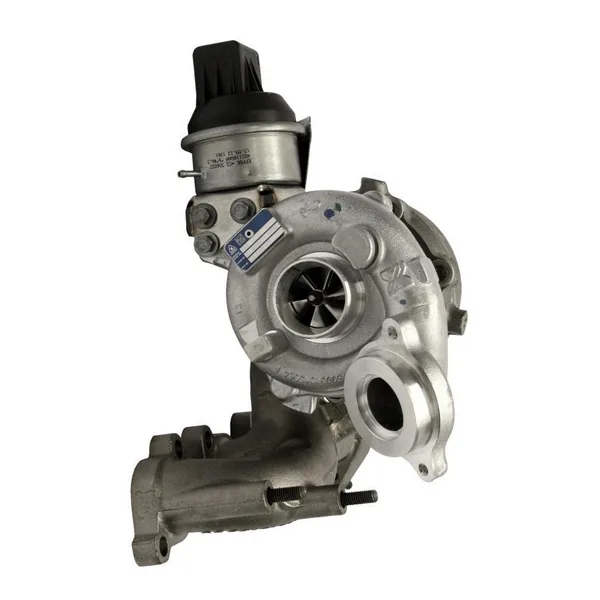
The 2.0 TDI 136 hp turbo category addresses a common challenge in diesel engine maintenance: restoring lost power due to a failing turbocharger. Whether you're a mechanic diagnosing a loss of boost pressure or a car owner noticing excessive smoke and reduced acceleration, this range provides remanufactured turbos designed to match the exact specifications of your engine. Each unit is built to restore original performance levels while offering a cost-effective alternative to new OEM parts.
This range is curated by a specialist wholesaler with direct access to remanufacturing partners across Europe, ensuring a steady supply of high-quality exchange-standard turbos. The focus is on consistency: every turbo in this category undergoes rigorous testing to confirm its fit, function, and durability. For garages, this means reduced downtime and predictable repair outcomes; for DIYers, it means confidence in a part that performs as expected from day one.
Professional uses by trade
Different users approach turbo replacement with distinct priorities. Garages need parts that integrate smoothly into their workflow, while DIY enthusiasts prioritize ease of installation and long-term reliability. This section breaks down how each group can leverage this category to solve their specific challenges efficiently.
- Independent garage: Replace a failing turbo on a 2012 Volkswagen Passat 2.0 TDI 136 hp with minimal diagnostic time, using a remanufactured unit that matches OEM torque specs.
- Car owner: Restore acceleration and reduce black smoke in a 2010 Audi A4 2.0 TDI by installing an exchange-standard turbo that eliminates the need for costly dealership repairs.
- DIY mechanic: Source a turbo for a 2008 Skoda Octavia 2.0 TDI 136 hp with clear installation instructions, avoiding the complexity of sourcing from multiple suppliers.
- German buyer: Find a turbo for a 2014 Seat Leon 2.0 TDI 136 hp with German-language support and documentation, ensuring seamless communication and compatibility.
- Workshop manager: Stock turbos for the 2.0 TDI 136 hp to reduce lead times and improve customer satisfaction, leveraging bulk pricing for better margins.
- Passionate driver: Replace a worn turbo in a 2009 Seat Altea 2.0 TDI 136 hp without compromising on quality, using a part that restores original engine behavior.
- Fleet operator: Maintain a fleet of 2.0 TDI vehicles by keeping exchange-standard turbos on hand, ensuring quick replacements and minimal operational disruption.
Range comparison
Below, you’ll find the three turbos available for the 2.0 TDI 136 hp, each listed with its exact reference and designed to meet the demands of professional and private users alike. These units are selected for their compatibility and remanufactured condition, ensuring a direct replacement for your engine.
| Range | Use | Format |
|---|---|---|
| SL Turbo 5303 988 0205 | Direct fit for VW Group 2.0 TDI | |
| SL Turbo 724930-5010S | High-flow option for tuned applications | |
| SL Turbo 5440 988 0036 | Budget-friendly remanufactured turbo |
How to choose
Selecting the right turbo for your 2.0 TDI 136 hp depends on several factors beyond just the reference number. Consider the condition of your engine, the expected workload, and whether you need a standard or high-performance unit. This section outlines the key criteria to guide your decision.
- Check the turbo’s compatibility with your vehicle’s model year and engine code to avoid mismatches that could lead to installation issues or poor performance.
- Evaluate the turbo’s condition: remanufactured units should show no signs of excessive wear or damage, with clear documentation of the remanufacturing process.
- Assess the packaging: bulk options are ideal for workshops needing multiple units, while single units suit DIYers or one-off repairs.
- Review the return policy for core deposits, as many exchange-standard turbos require returning the old unit to avoid additional fees.
- Prioritize turbos with a consistent track record in similar applications, as this reduces the risk of premature failure or performance issues.
- Consider the turbo’s geometry: variable-geometry turbos (VGT) require precise calibration to match your engine’s boost requirements.
- Verify the availability of supporting components like gaskets or oil lines, as these are often sold separately but essential for a complete repair.
Storage & logistics
For workshops, storing exchange-standard turbos requires attention to environmental conditions to prevent contamination or damage. Keep units in their original packaging until installation, away from moisture and direct sunlight. Rotate stock regularly to ensure older units are used first, maintaining freshness and reliability. For DIYers, store the turbo in a clean, dry space and inspect it thoroughly before installation to confirm no transit damage has occurred. Always handle turbos with care, avoiding impacts or exposure to contaminants that could affect performance.
With over 15 years in the exchange-standard turbo market, our team has seen how a well-matched turbo can transform a struggling 2.0 TDI engine. We don’t just sell parts; we provide solutions that restore confidence in every repair, whether it’s for a garage or a passionate driver.— autoKUR team
Related categories
Browse our other ranges:
Useful references
For regulatory and sector references, see Reglement (UE) 461/2010 — pieces de rechange et garantie constructeur.