



Frequently asked questions
About this category
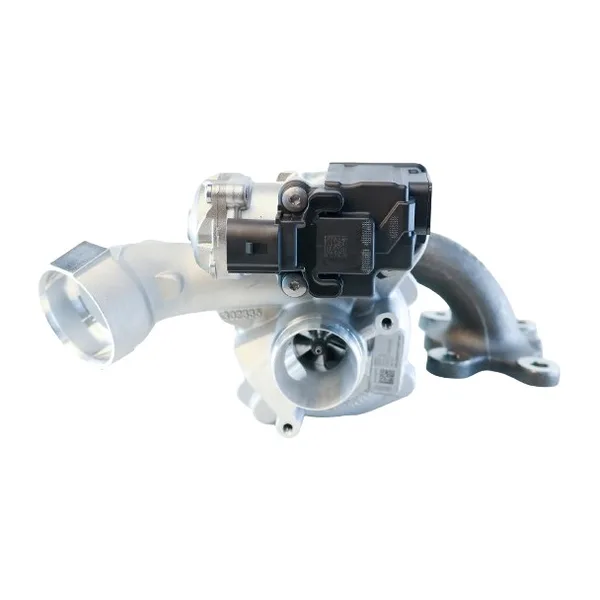
This category is dedicated to the 1.4 TFSI 125 hp turbo exchange standard, a range of remanufactured turbochargers designed for Volkswagen, Audi, Seat, and Škoda models equipped with the EA211 engine family. Whether you’re a mechanic sourcing parts for a repair job or a car owner restoring lost power, this section provides the turbos you need to address common issues like lag, excessive smoke, or check engine warnings linked to turbo failure.
The turbos listed here are sourced from certified remanufacturers and distributed through a wholesale network that prioritizes quality control and compatibility. Each unit undergoes rigorous testing to ensure it meets the performance standards expected from an exchange standard part, with clear documentation of OEM references and equivalent alternatives.
Professional uses by trade
Different users approach the 1.4 TFSI 125 hp turbo exchange standard for distinct reasons, from urgent repairs to preventive maintenance. Garages rely on these turbos to minimize vehicle downtime, while DIYers seek cost-effective solutions that avoid dealership markup. German buyers, in particular, value the precision of remanufactured parts for their high-mileage vehicles.
- Independent garage: Replace a failing turbo on a 2015 Audi A3 1.4 TFSI to restore original power output and fuel efficiency without replacing the entire assembly.
- Stranded motorist: Order an exchange standard turbo for a broken-down VW Golf 7 1.4 TFSI to get back on the road quickly and affordably.
- DIY enthusiast: Source a remanufactured turbo for a project car’s 1.4 TFSI engine, ensuring compatibility with the vehicle’s ECU and emissions system.
- German buyer: Purchase a high-quality exchange standard turbo for a 2018 Škoda Octavia 1.4 TFSI, prioritizing durability and OEM-like performance.
- Mechanic in training: Learn to identify turbo failures in the 1.4 TFSI 125 hp range by comparing symptoms like whining noises or blue exhaust smoke with the correct remanufactured part.
- Fleet manager: Stock exchange standard turbos for a fleet of company cars with 1.4 TFSI engines to reduce repair costs and maintain operational reliability.
- Classic car restorer: Source a remanufactured turbo for a modified 1.4 TFSI engine, ensuring the part meets modern performance standards while preserving the vehicle’s original character.
Range comparison
Below, you’ll find the available turbos for the 1.4 TFSI 125 hp exchange standard, each listed with its exact reference and key details to simplify your selection process.
| Range | Use | Format |
|---|---|---|
| Turbo MAHLE 030TC11001000 | direct fit for VW/Audi 1.4 TFSI | |
| Turbo Mitsubishi 49180-01275 | OEM equivalent for Seat/Škoda | |
| Turbo IHI 9V205 | high-performance remanufactured |
How to choose
Selecting the right turbo for your 1.4 TFSI 125 hp requires attention to several factors beyond just the engine code, including the vehicle’s model year, symptoms, and intended use.
- Verify the turbo’s compatibility with your vehicle’s exact model year and engine code to avoid mismatches that could lead to poor performance or damage.
- Check the turbo’s condition—whether it’s a general overhaul or a core exchange—based on your budget and the urgency of the repair.
- Compare the turbo’s specifications, such as variable geometry settings or cartridge type, to ensure it matches your engine’s requirements.
- Assess the packaging and labeling to confirm the turbo is delivered with clear OEM references and handling instructions for professionals.
- Prioritize turbos from reputable remanufacturers like MAHLE or IHI, as their exchange standard parts undergo standardized testing for reliability.
- Consider the core deposit policy, which may require returning your old turbo to avoid additional fees, especially for high-value units.
- Evaluate the turbo’s rotational stock availability to ensure quick delivery, particularly for garages managing multiple repair jobs.
Storage & logistics
For B2B buyers, proper storage of exchange standard turbos is essential to maintain their condition until installation. Store units in a dry, temperature-controlled environment away from direct sunlight, and avoid stacking heavy items on top to prevent damage to the housing or internal components. Regularly inspect packaging for tears or moisture ingress, and rotate stock to ensure older units are used first, reducing the risk of obsolescence. Always handle turbos with clean gloves to avoid contaminating the internal bearings or wastegate mechanisms.
With over a decade in the turbo remanufacturing industry, our team has seen firsthand how the right exchange standard part can transform a struggling 1.4 TFSI engine into a reliable powerhouse—without the premium price of a new OEM turbo.— autoKUR team
Related categories
Browse our other ranges:
Useful references
For regulatory and sector references, see Reglement (UE) 461/2010 — pieces de rechange et garantie constructeur.