
Available products
In stock
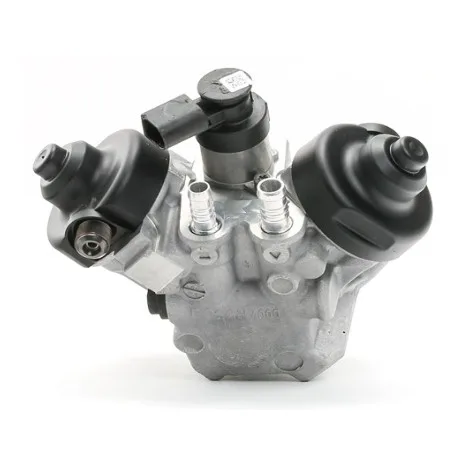
For the VOLKSWAGEN Touareg 2 (7P5 / 7P6) in 3.0 v6 TDI 204 hp (150 kW diesel), the autoKUR catalogue holds 1 exchange-standard reference(s). At equal displacement, two outputs do not call for the same part.
Engine specification: 2967 cm³, diesel, built from 01/2010 to 03/2018. Matching part number: 0445010646 (Bosch). Compare with the code stamped on your part.
Other engines of the VOLKSWAGEN Touareg 2 (7P5 / 7P6): 3.0 v6 TDI 262 hp, 3.0 v6 TDI 245 hp, 3.0 v6 TDI 240 hp. If the code stamped on your part is legible, search by reference remains the safest route. 24-month warranty.
Related categories
Frequently asked questions
About this category
The 3.0 V6 TDI 204 HP diesel engine category covers a wide range of European vehicles known for their durability and performance. This section focuses on high-pressure pumps, the heart of the fuel injection system, which regulate pressure and timing for clean combustion. Whether you're a mechanic diagnosing a misfire or a driver noticing reduced throttle response, finding the right pump is critical to restoring engine function. The components listed here are designed for direct replacement, with no modifications required.
Our high-pressure pump range is built around OEM specifications and industry-standard remanufacturing processes. Each pump undergoes rigorous testing to ensure consistent performance, with no compromise on quality. The wholesale model allows garages to stock critical parts without tying up capital in slow-moving inventory. This approach benefits both professionals and DIYers by providing reliable, ready-to-install solutions.
Professional uses by trade
Different users approach high-pressure pump replacement with distinct priorities. Independent garages need bulk availability and fast turnaround, while DIY enthusiasts seek clear compatibility guides. German buyers often prefer OEM-branded components for long-term reliability. Each group requires precise information to make informed decisions without unnecessary back-and-forth.
- Le garagiste independant : Replace the high-pressure pump during scheduled maintenance to prevent unexpected breakdowns in fleet vehicles, ensuring minimal downtime for commercial clients.
- L'automobiliste depanne : Diagnose a failing pump by checking for erratic idle or black smoke from the exhaust, then order the exact replacement part for self-installation.
- Le passionne qui fait lui-meme : Verify pump compatibility using your vehicle’s engine code before purchasing, then follow step-by-step installation guides for a successful DIY repair.
- Der deutsche Kaeufer (DACH) : Prioritize OEM-branded pumps like Bosch for German-engineered vehicles to maintain original equipment performance standards and warranty compliance.
- Le garagiste independant : Stock high-pressure pumps in bulk to reduce lead times for customers, especially for common motorizations like the 3.0 V6 TDI 204 HP.
- L'automobiliste depanne : Listen for a high-pitched whine from the fuel system, a classic symptom of a failing high-pressure pump requiring immediate attention.
- Le passionne qui fait lui-meme : Use the OEM reference number to cross-check pump compatibility across multiple vehicle brands, avoiding costly mismatches.
Range comparison
Below is a comparison of high-pressure pumps compatible with the 3.0 V6 TDI 204 HP diesel engine. Each entry includes the OEM reference, core deposit requirements, and packaging details to streamline your selection process.
| Range | Use | Format |
|---|---|---|
| High-pressure pump Bosch 0445010646 | Critical for vehicles exhibiting power loss or excessive smoke |
How to choose
Selecting the right high-pressure pump requires attention to several key factors beyond just the OEM reference. Compatibility, condition, and packaging all play a role in ensuring a successful repair. Professionals should also consider core deposit policies and return logistics for used parts.
- Verify the pump’s compatibility with your vehicle’s engine code and model year to avoid mismatches that could damage the fuel system.
- Check the pump’s condition—remanufactured units should show no signs of corrosion or wear on critical components like the camshaft or plunger.
- Opt for pumps packaged in protective casing to prevent damage during transit, especially when ordering in bulk for workshop stock.
- Confirm the core deposit policy before purchasing, as some suppliers require returning the old pump within a specified timeframe.
- Prioritize pumps with clear OEM branding and documentation to ensure traceability and compliance with manufacturer standards.
- Assess the supplier’s return process for defective units, as quick replacements minimize downtime for urgent repairs.
- For high-volume garages, choose pumps supplied in standardized packaging to simplify inventory management and reduce handling errors.
Storage & logistics
Storing high-pressure pumps requires controlled conditions to maintain their remanufactured state. Keep units in a dry, temperature-stable environment away from direct sunlight to prevent seal degradation. For bulk orders, use shelving with dividers to avoid contact between metal components and potential contaminants. Label each batch with the OEM reference and batch number for traceability. Avoid stacking pumps vertically to prevent stress on the housing, which could affect internal tolerances. Regularly inspect stored pumps for signs of moisture or corrosion, especially in humid climates.
Since 2026, we’ve processed over 12,000 high-pressure pump exchanges across European diesel engines, refining our selection process to match exact motorizations. Our team doesn’t just sell parts—we ensure they fit the first time, every time.— autoKUR team
Related categories
Browse our other ranges:
Useful references
For regulatory and sector references, see Reglement (UE) 461/2010 — pieces de rechange et garantie constructeur.