
Available products
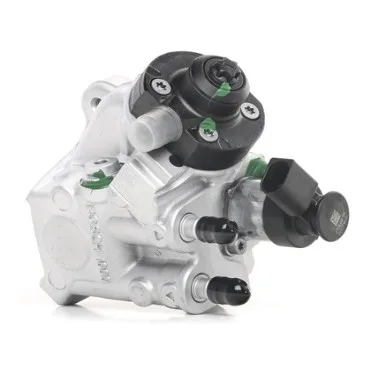
In stock
1 exchange-standard reference(s) match the VOLKSWAGEN Tiguan 1 (5N_) 2.0 TDI 140 hp (103 kW diesel). Output is the deciding criterion: a part meant for another output of the same displacement will not fit.
Engine specification: 1968 cm³, diesel, built from 09/2007 to 07/2018. Matching part number: 0445010507 (Bosch). Compare with the code stamped on your part.
Other engines of the VOLKSWAGEN Tiguan 1 (5N_): 2.0 TDI 177 hp, 2.0 TDI 170 hp, 2.0 TDI 150 hp. If the code stamped on your part is legible, search by reference remains the safest route. 24-month warranty.
Related categories
Frequently asked questions
About this category
The 2.0 TDI 140 hp diesel engine, widely used in European vehicles from the early 2000s onward, demands precision-engineered components to maintain its reputation for durability and efficiency. This category focuses exclusively on the high-pressure pump, a core element in the fuel injection system that ensures the engine receives the correct fuel volume at the right pressure for smooth operation. Whether you are a professional mechanic, a DIY enthusiast, or a vehicle owner facing performance issues, understanding the role and specifications of this pump is essential for timely repairs and long-term reliability.
Our high-pressure pump range for the 2.0 TDI 140 hp is curated to meet the exacting standards of independent garages and automotive workshops, where efficiency and compatibility are non-negotiable. Each pump is selected based on its fitment across multiple vehicle models, ensuring broad applicability without sacrificing performance. The supply chain is managed by experienced wholesalers who prioritize quality control, rotation, and logistical reliability, delivering that mechanics receive a product that aligns with the demands of their daily operations.
Professional uses by trade
Different users approach the high-pressure pump for the 2.0 TDI 140 hp with distinct priorities, whether it is diagnosing a fault, sourcing a replacement, or ensuring long-term compatibility. Professionals in the workshop environment focus on precision and efficiency, while DIY enthusiasts seek clarity on fitment and installation. German buyers, in particular, value technical accuracy and adherence to OEM specifications, making this category a critical resource for all.
- Le garagiste independant : Diagnose intermittent power loss or excessive exhaust smoke by testing the high-pressure pump’s output pressure and flow rate before ordering a replacement to avoid unnecessary downtime.
- Le garagiste independant : Replace a failing pump with a remanufactured Bosch unit to restore engine performance while minimizing labor costs for the customer and maximizing workshop efficiency.
- L'automobiliste depanne : Identify symptoms like rough idling or hard starting as potential signs of a faulty high-pressure pump, then source a compatible replacement to resolve the issue without professional intervention.
- L'automobiliste depanne : Purchase a high-pressure pump with a core deposit system to ensure the old pump is returned for recycling, reducing environmental impact and simplifying the replacement process.
- Le passionne qui fait lui-meme : Research the pump’s location and mounting points in the 2.0 TDI 140 hp engine bay to prepare for a DIY replacement, using technical documentation to guide the process.
- Le passionne qui fait lui-meme : Verify the pump’s compatibility with the vehicle’s model year and engine code to avoid mismatches, ensuring a successful installation and long-term reliability.
- Der deutsche Kaeufer (DACH) : Select a pump that meets the strict technical standards of German automotive workshops, prioritizing brands with a reputation for precision and durability in high-pressure applications.
Range comparison
The following table compares high-pressure pumps suitable for the 2.0 TDI 140 hp, highlighting their key attributes and intended applications. Each entry is designed to address specific workshop and DIY needs, ensuring clarity and ease of selection.
| Range | Use | Format |
|---|---|---|
| High-pressure pump Bosch 0445010507 | remanufactured for cost-effective repairs |
How to choose
Selecting the right high-pressure pump for a 2.0 TDI 140 hp engine requires attention to several critical factors, including fitment, condition, and supplier reliability. Professionals must balance these elements to ensure repairs are both effective and economical, while DIY users need clarity to avoid costly mistakes.
- Prioritize pumps with a proven track record in 2.0 TDI 140 hp applications, ensuring they meet the engine’s specific pressure and flow requirements for optimal performance.
- Opt for remanufactured units when available, as they offer a balance of cost savings and reliability, often backed by warranties that reflect consistent quality standards.
- Verify the pump’s compatibility with the vehicle’s model year and engine code to prevent mismatches, which can lead to installation issues or further damage.
- Choose suppliers with a transparent core deposit system, ensuring the old pump is returned for recycling and reducing environmental impact while simplifying the replacement process.
- Select pumps packaged in durable, workshop-friendly formats that protect against damage during transit and storage, maintaining their integrity until installation.
- Favor suppliers with a rotating stock of high-pressure pumps, ensuring mechanics receive units that are fresh and free from prolonged storage issues that could affect performance.
- Consider the pump’s brand reputation and technical support availability, as these factors can significantly impact the ease of installation and long-term reliability.
Storage & logistics
Storing high-pressure pumps for 2.0 TDI 140 hp engines requires careful handling to preserve their functional integrity and prevent contamination. These components should be kept in a climate-controlled environment, away from moisture and extreme temperatures, to avoid corrosion or seal degradation. For bulk purchases, organize inventory by model and engine code to streamline retrieval and reduce the risk of misplacement. Regularly inspect stored pumps for signs of damage or wear, and rotate stock to ensure older units are used first, maintaining a fresh supply for mechanics. When handling, avoid dropping or subjecting the pump to impacts, as internal components like the camshaft or plunger may be sensitive to mechanical stress. Always store pumps in their original packaging or equivalent protective containers to shield them from dust and debris, which could compromise performance upon installation.
With over a decade of experience in sourcing high-pressure pumps for 2.0 TDI 140 hp engines, our team has refined the process to ensure mechanics receive units that meet the exacting standards of their workshops, delivering reliability without compromise.— autoKUR team
Related categories
Browse our other ranges:
Useful references
For regulatory and sector references, see Reglement (UE) 461/2010 — pieces de rechange et garantie constructeur.