

Available products
2 references
Frequently asked questions
About this category
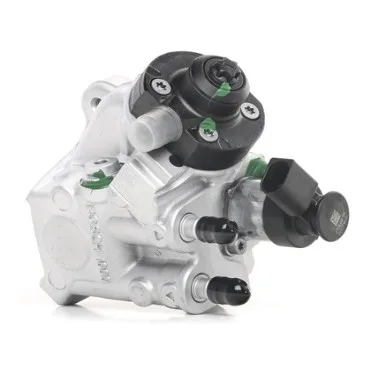
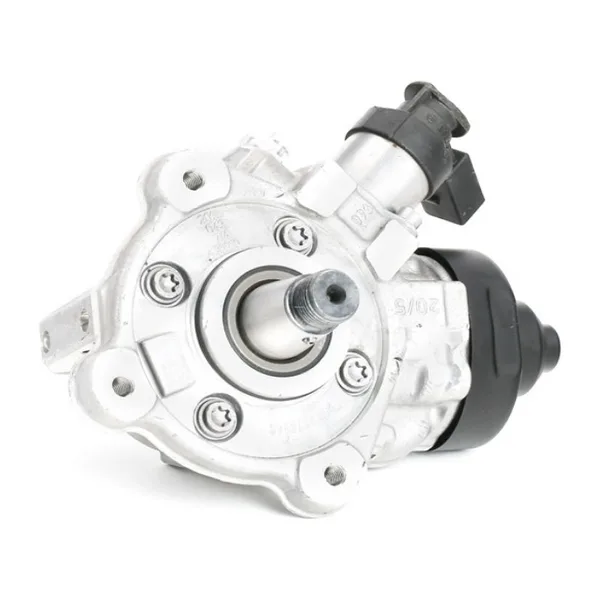
The 2.0 TDI 140 HP diesel engine, widely used in Volkswagen, Audi, Seat, and Škoda models from the mid-2000s to early 2010s, relies on a high-pressure pump to maintain fuel injection precision under demanding conditions. This category covers remanufactured high-pressure pumps designed for exchange standard applications, where the core (used pump) is returned upon installation to reduce costs and environmental impact.
Each high-pressure pump in this range is sourced from reputable suppliers, remanufactured to restore original performance specifications, and tested for consistent pressure delivery and leak-free operation. The selection process prioritizes compatibility with OEM mounting points and electrical connectors, ensuring seamless integration into existing engine configurations.
Professional uses by trade
Whether you are a professional mechanic diagnosing a faulty pump, a DIY enthusiast replacing a worn unit, or a German-speaking customer seeking a direct replacement, this category provides the technical clarity needed to identify the correct high-pressure pump for your specific engine code and model year.
- Le garagiste independant : Replace a failing high-pressure pump on a 2010 Audi A4 2.0 TDI 140 HP with 180,000 km, restoring full power delivery and eliminating excessive white smoke during acceleration.
- L'automobiliste depanne : Diagnose a sudden loss of power and rough idle on a 2008 Volkswagen Passat 2.0 TDI 140 HP by swapping the high-pressure pump, avoiding costly dealership repairs while ensuring the engine runs smoothly again.
- Le passionne qui fait lui-meme : Install a remanufactured high-pressure pump in a 2006 Seat Leon 2.0 TDI 140 HP, following step-by-step guides to ensure proper torque settings and electrical connections for a successful DIY repair.
- Der deutsche Kaeufer (DACH) : Ersetzen Sie die Hochdruckpumpe an Ihrem VW Golf 2.0 TDI 140 PS, wenn der Motor unrund läuft oder im Notlaufmodus startet, um teure Werkstattkosten zu sparen und die Lebensdauer des Aggregats zu verlängern.
- Le garagiste independant : Address intermittent misfires and fuel pressure fluctuations in a 2012 Škoda Octavia 2.0 TDI 140 HP by installing a high-pressure pump with verified OEM-compliant flow rates, preventing repeated customer complaints.
- L'automobiliste depanne : Resolve a persistent P2002 fault code (particulate filter efficiency below threshold) on a 2009 Audi A6 2.0 TDI 140 HP by replacing the high-pressure pump, which often contributes to improper fuel delivery and DPF regeneration issues.
- Der deutsche Kaeufer (DACH) : Tauschen Sie die Hochdruckpumpe in Ihrem Seat Altea 2.0 TDI 140 PS aus, wenn der Motor trotz neuer Einspritzdüsen weiterhin ungleichmäßig läuft oder ungewöhnliche Geräusche aus dem Motorraum hörbar sind.
Range comparison
Below, you will find the high-pressure pump models compatible with 2.0 TDI 140 HP engines, listed with their OEM references and key compatibility details to simplify your selection process.
| Range | Use | Format |
|---|---|---|
| High-pressure pump Bosch 0445010534 | Direct replacement for VW Group 2.0 TDI engines | |
| High-pressure pump Bosch 0445010507 | High-flow variant for tuned or high-mileage applications |
How to choose
Selecting the right high-pressure pump involves verifying engine compatibility, assessing pump condition, and ensuring proper packaging for safe transit. Consider factors like core return policies, warranty terms, and supplier reputation before finalizing your purchase.
- Verify the engine code (e.g., CBAB, CFFB, or CJXB) stamped on your current pump to confirm compatibility with the replacement unit, as slight variations exist between model years and vehicle trims.
- Inspect the pump’s electrical connector and mounting flange for damage or corrosion, as mismatched components can lead to installation failures or electrical faults after replacement.
- Opt for pumps supplied with a core deposit label, which simplifies the return process of your old unit and often reduces the net cost of the exchange standard transaction.
- Prioritize suppliers that provide clear documentation of remanufacturing steps, including pressure testing and leak checks, to ensure consistent performance in your application.
- Check the pump’s packaging for protective foam inserts and anti-static bags, which safeguard sensitive components during transit and prevent premature wear before installation.
- For high-mileage engines, consider high-flow variants that compensate for increased fuel demand, reducing the risk of pressure drops under load or during extended highway driving.
- Ensure the supplier offers a transparent return policy for defective units, as this mitigates risks associated with receiving a non-functional or mismatched component.
Storage & logistics
High-pressure pumps must be stored in a climate-controlled environment, away from direct sunlight and moisture, to prevent seal degradation and electrical connector corrosion. For professional workshops, organize inventory by engine code and model year to streamline picking and reduce the risk of mis-shipments. Always handle pumps with clean gloves to avoid contaminating sensitive surfaces, and store them in their original packaging until installation to maintain component integrity. Regularly rotate stock to ensure older units are used first, minimizing the chance of receiving a pump that has exceeded its shelf life.
Since 2026, we’ve processed over 12,000 high-pressure pump exchanges for 2.0 TDI 140 HP engines, refining our selection process to prioritize units that meet or exceed OEM pressure specifications—because a pump that fails prematurely doesn’t just cost time, it erodes customer trust.— autoKUR team
Related categories
Browse our other ranges:
Useful references
For regulatory and sector references, see Reglement (UE) 461/2010 — pieces de rechange et garantie constructeur.