
Available products
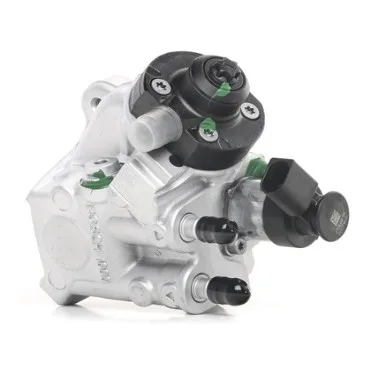
In stock
The VOLKSWAGEN New Beetle Cabriolet (5C7 / 5C8) 2.0 TDI 150 hp (110 kW diesel) is covered by 1 exchange-standard reference(s). Check output before displacement: it determines the part.
Engine specification: 1968 cm³, diesel, built from 09/2014 to 09/2018. Matching part number: 0445010507 (Bosch). Compare with the code stamped on your part.
Other engines of the VOLKSWAGEN New Beetle Cabriolet (5C7 / 5C8): 2.0 TDI 140 hp, 2.0 TDI 110 hp, 1.6 TDI 105 hp. If the code stamped on your part is legible, search by reference remains the safest route. 24-month warranty.
Related categories
Frequently asked questions
About this category
The 2.0 TDI 150 hp high-pressure pump category addresses a common failure point in diesel engines, where wear on the pump’s internal components leads to reduced fuel pressure, loss of power, or excessive smoke from the exhaust. This section is designed for independent garages, DIY enthusiasts, and German-speaking buyers in the DACH region who need a reliable, remanufactured alternative to costly OEM replacements. Here, you will find pumps that have undergone rigorous testing to restore their original performance levels, ensuring consistent fuel delivery for engines requiring 150 horsepower.
This range is built in collaboration with leading wholesale suppliers who specialize in diesel injection systems, ensuring that each pump meets the strict tolerances of the 2.0 TDI 150 hp motorization. The selection process prioritizes units that have been professionally remanufactured, with a focus on longevity and compatibility across a wide array of vehicle makes and models, from passenger cars to light commercial vehicles.
Professional uses by trade
Different professionals approach the high-pressure pump replacement with distinct priorities: garages need bulk availability and fast turnaround, DIYers seek clear compatibility guides, and German buyers often require detailed technical documentation in their language.
- Le garagiste independant : Replace the pump during scheduled maintenance to prevent unexpected breakdowns, using a remanufactured unit that matches OEM flow rates and pressure specifications.
- L'automobiliste depanne : Diagnose a loss of power or black smoke by identifying the pump’s role in fuel delivery, then source a tested replacement to restore engine responsiveness.
- Le passionne qui fait lui-meme : Follow step-by-step guides to remove the faulty pump and install a remanufactured unit, ensuring proper torque settings and leak testing for a successful repair.
- Der deutsche Kaeufer (DACH) : Verify the pump’s compatibility with your vehicle’s motorization code before ordering, leveraging detailed cross-references provided in German technical documentation.
- Le garagiste independant : Order pumps in bulk to reduce per-unit costs, while ensuring each unit has been pressure-tested and calibrated to the 2.0 TDI 150 hp standard.
- L'automobiliste depanne : Use the pump’s OEM reference to confirm fitment, avoiding mismatches that could lead to further engine damage or failed inspections.
- Le passionne qui fait lui-meme : Check for visible wear on the pump’s camshaft or plunger before installation, as these components are critical to maintaining consistent fuel pressure.
Range comparison
Below, you will find the available high-pressure pumps for the 2.0 TDI 150 hp category, each listed with its exact reference, use case, and generic bulk format to simplify your selection process.
| Range | Use | Format |
|---|---|---|
| High-pressure pump Bosch 0445010507 | DIY enthusiast repair kit |
How to choose
Selecting the right high-pressure pump involves evaluating several technical and logistical factors, from OEM cross-references to storage conditions that preserve the pump’s integrity before installation.
- Verify the pump’s OEM reference against your vehicle’s motorization code to ensure a perfect fit, avoiding costly mismatches that could damage the fuel system.
- Check the pump’s condition upon delivery, looking for signs of corrosion or damage to the housing or connectors, which could indicate mishandling during shipping.
- Prioritize pumps that come with a documented history of remanufacturing, including pressure testing and seal replacements, to deliver consistent performance.
- For bulk orders, confirm the supplier’s rotation policy to avoid receiving units that have been sitting in storage for extended periods, which may affect their reliability.
- Ensure the pump’s packaging includes protective foam or bubble wrap to prevent vibration damage during transit, especially for loose units shipped individually.
- For garages, opt for pumps supplied in bulk boxes with dividers to minimize handling time and reduce the risk of misplacement in inventory.
- DIYers should confirm the pump’s compatibility with their specific vehicle year and trim level, as minor variations can affect fitment despite matching motorization codes.
Storage & logistics
High-pressure pumps must be stored in a dry, temperature-controlled environment to prevent moisture buildup inside the unit, which can lead to corrosion or internal damage. For garages, bulk boxes should be kept off the floor on pallets or shelving to avoid contact with concrete surfaces, which can introduce condensation. Loose units should be stored in their original packaging until ready for use, with desiccant packs included to absorb any residual moisture. Avoid stacking boxes too high to prevent crushing or deformation of the pumps, and ensure the storage area is free from excessive dust or debris that could clog the pump’s inlet or outlet ports during installation.
Since 2026, our team has processed thousands of high-pressure pumps for the 2.0 TDI 150 hp category, refining our selection to only those units that meet the strictest performance benchmarks, ensuring your repair is built to last.— autoKUR team
Related categories
Browse our other ranges:
Useful references
For regulatory and sector references, see Reglement (UE) 461/2010 — pieces de rechange et garantie constructeur.