
Available products
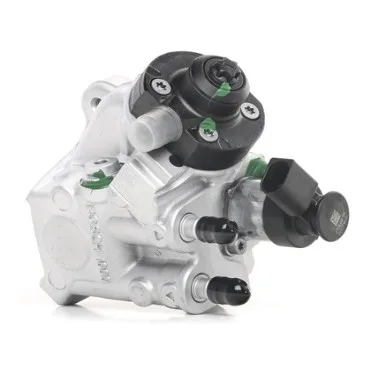
In stock
1 exchange-standard reference(s) match the VOLKSWAGEN Caddy 3 (2KB / 2KA / 2KJ / 2CB / 2CJ) 2.0 TDI 140 hp (103 kW diesel). Output is the deciding criterion: a part meant for another output of the same displacement will not fit.
Engine specification: 1968 cm³, diesel, built from 11/2010 to 05/2015. Matching part number: 0445010507 (Bosch). Compare with the code stamped on your part.
Other engines of the VOLKSWAGEN Caddy 3 (2KB / 2KA / 2KJ / 2CB / 2CJ): 2.0 TDI 170 hp, 2.0 TDI 110 hp, 2.0 TDI 85 hp. If the code stamped on your part is legible, search by reference remains the safest route. 24-month warranty.
Related categories
Frequently asked questions
About this category
The 2.0 TDI 140 hp diesel engine, widely used in passenger cars and light commercial vehicles across Europe, demands precision-engineered components to maintain optimal performance, particularly the high-pressure pump which delivers fuel at pressures exceeding 2,000 bar. This category addresses the needs of independent garages, DIY enthusiasts, and German-speaking buyers seeking exchange-standard parts that restore engine efficiency without the cost of new OEM units. Whether the pump fails due to wear, contamination, or internal leakage, replacing it with a remanufactured unit ensures consistent operation while reducing environmental impact through part reuse.
Our high-pressure pump range for the 2.0 TDI 140 hp is curated from leading suppliers, with each reference selected for its compatibility with the engine’s fuel system architecture and its ability to meet the demands of high-mileage vehicles. The pumps are sourced through a network of European wholesalers specializing in diesel injection components, ensuring traceability and adherence to industry standards. This approach allows us to offer a curated selection that balances quality, availability, and cost, catering to both professional workshops and private buyers who prioritize reliability over brand premiums.
Professional uses by trade
Different users approach the high-pressure pump replacement with distinct priorities: garages focus on turnaround time and bulk availability, DIY mechanics seek clear compatibility guidance, and German buyers often require documentation in their language to ensure proper installation and warranty compliance.
- Le garagiste independant : Replaces the high-pressure pump during scheduled maintenance to prevent unexpected breakdowns, using bulk-packaged units that fit standard tooling and reduce per-unit costs for workshop inventory.
- L'automobiliste depanne : Orders a remanufactured high-pressure pump after diagnosing symptoms like rough idling or black smoke, relying on OEM-compatible references to ensure the replacement integrates seamlessly with the vehicle’s fuel system.
- Le passionne qui fait lui-meme : Sources a high-pressure pump with clear installation instructions and OEM part numbers, prioritizing units that include mounting hardware and gaskets to simplify the DIY replacement process.
- Der deutsche Kaeufer (DACH) : Selects a high-pressure pump with German-language documentation and a warranty that aligns with local consumer protection laws, ensuring compliance with regional repair standards and ease of returns if issues arise.
- Le garagiste independant : Stocks high-pressure pumps in multiple formats to accommodate varying vehicle configurations, from compact cars to vans, ensuring the right part is available for immediate installation without delays.
- L'automobiliste depanne : Verifies the high-pressure pump’s compatibility with the vehicle’s engine code and model year before purchase, using cross-referenced OEM numbers to avoid mismatches that could lead to further mechanical issues.
- Der deutsche Kaeufer (DACH) : Prefers high-pressure pumps sold with a core deposit system, allowing the return of the old pump to offset the cost of the replacement and simplify the recycling process for end-of-life components.
Range comparison
The following table compares high-pressure pumps for the 2.0 TDI 140 hp by reference, format, and intended use, helping buyers identify the correct component for their specific vehicle configuration and repair scenario.
| Range | Use | Format |
|---|---|---|
| High-pressure pump Bosch 0445010507 | direct replacement for common failures |
How to choose
Selecting the right high-pressure pump involves evaluating several factors beyond mere compatibility, including packaging, documentation quality, and supplier reliability, all of which impact the repair’s success and long-term engine health.
- Garages prioritize high-pressure pumps packaged in sturdy, stackable boxes that protect the component during shipping and storage, reducing the risk of damage in busy workshop environments.
- DIY mechanics look for pumps that include detailed installation guides and OEM part numbers, ensuring the replacement aligns with the vehicle’s original specifications without guesswork.
- German buyers often require pumps with bilingual documentation (German/French) to meet local regulatory requirements and simplify communication with customers or suppliers.
- Workshops favor suppliers that offer consistent lead times and bulk discounts, as these factors directly influence operational efficiency and cost management in high-volume repair settings.
- Enthusiasts value pumps with clear return policies and core deposit options, which provide financial incentives for returning the old component and reduce the environmental footprint of the repair.
- Professionals assess the pump’s build quality by examining the condition of seals and connectors, as these elements determine the component’s longevity and resistance to fuel contaminants.
- Buyers in all categories benefit from suppliers that maintain a transparent traceability system, allowing them to verify the pump’s remanufacturing history and compliance with industry standards.
Storage & logistics
High-pressure pumps for the 2.0 TDI 140 hp must be stored in a climate-controlled environment to prevent moisture damage to seals and connectors, which could compromise performance upon installation. Warehouses handling these components should use shelving systems that minimize vibration and physical stress, as even minor impacts can dislodge internal components or degrade precision-machined surfaces. For bulk orders, suppliers often recommend storing pumps in their original packaging until use, as this preserves protective coatings and reduces the risk of contamination from dust or debris. Logistics teams should also implement a first-in, first-out (FIFO) system to ensure older stock is used before newer arrivals, maintaining the integrity of the inventory and reducing the likelihood of parts expiring due to prolonged storage. Additionally, handling procedures should include electrostatic discharge (ESD) precautions to protect sensitive electronic components integrated into some high-pressure pump designs.
With over a decade of experience supplying European workshops, our team has seen how a well-chosen high-pressure pump can restore a 2.0 TDI engine’s performance without the expense of a new OEM unit, a principle we uphold by rigorously vetting every reference in our catalog.— autoKUR team
Related categories
Browse our other ranges:
Useful references
For regulatory and sector references, see Reglement (UE) 461/2010 — pieces de rechange et garantie constructeur.