
Available products
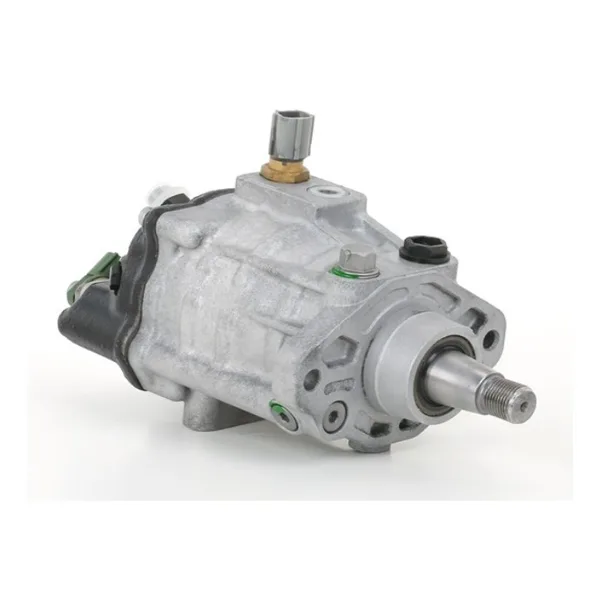
In stock
For the TOYOTA RAV4 2 in 2.0 D 4wd 116 hp (85 kW diesel), the autoKUR catalogue holds 1 exchange-standard reference(s). At equal displacement, two outputs do not call for the same part.
Engine specification: 1995 cm³, diesel. Matching part number: 097300-001X (DENSO). Compare with the code stamped on your part.
This is the only listed engine of the TOYOTA RAV4 2. The code stamped on your part confirms the match: search by reference. 24-month warranty.
Frequently asked questions
About this category
The 2.0 D 4WD 116 HP engine category serves a dual audience: professional mechanics who require precision-engineered components for repairs and automotive enthusiasts performing DIY maintenance. This range focuses exclusively on high-pressure pumps, a vital element in diesel injection systems where even minor wear can disrupt fuel delivery and trigger fault codes. The exchange standard approach delivers compatibility with original equipment while providing a sustainable, budget-friendly solution for restoring engine function.
This high-pressure pump range is curated to meet the demands of independent garages and self-servicing owners by sourcing remanufactured units that undergo rigorous testing for pressure consistency and leak-free operation. The wholesale model ensures mechanics can access these critical components at trade prices, reducing inventory costs while maintaining service quality. Each pump is paired with its OEM reference to simplify ordering and eliminate guesswork in fitment.
Professional uses by trade
Different users approach high-pressure pump replacement with distinct priorities, whether it’s minimizing vehicle downtime for a garage or ensuring long-term reliability for a weekend mechanic. The following breakdown highlights how each group leverages these components to address common diesel engine issues.
- Independent garage: Replace a failing pump during a routine service to prevent costly engine damage from fuel starvation or irregular pressure delivery.
- DIY enthusiast: Source a remanufactured pump to avoid the expense of a dealership repair while maintaining original equipment performance standards.
- Fleet manager: Order pumps in bulk to keep service schedules predictable and reduce the risk of unexpected breakdowns across multiple vehicles.
- Passionate driver: Address a sudden loss of power or excessive black smoke by swapping the pump with a tested exchange standard unit.
- German workshop: Fulfill customer requests for high-pressure pump replacements with OEM-compliant remanufactured units that meet local market expectations.
- Trucking company: Maintain operational continuity by stocking exchange standard pumps for 2.0 D 4WD engines in their emergency repair kits.
- Classic car restorer: Restore a vintage diesel vehicle’s performance by installing a remanufactured pump that matches the original specifications.
- Austrian mechanic: Provide customers with a cost-effective solution for pump failures without compromising on quality or compatibility.
Range comparison
The following table compares high-pressure pump options for the 2.0 D 4WD 116 HP engine, focusing on practical considerations like fitment, packaging, and remanufacturing standards. Each entry is designed to streamline the selection process for professionals and enthusiasts alike.
| Range | Use | Format |
|---|---|---|
| High-pressure pump DENSO 097300-001X | DIY installation with minimal tools required |
How to choose
Selecting the right high-pressure pump involves evaluating factors beyond mere compatibility, such as packaging efficiency for workshops and storage stability for enthusiasts. The following criteria help narrow down the best option for your specific needs and usage patterns.
- Opt for pumps packaged in bulk cartons to reduce per-unit costs and simplify inventory management for busy garages.
- Prioritize units with extended shelf life to accommodate irregular usage patterns in private workshops or seasonal fleets.
- Choose remanufactured pumps with documented pressure testing to ensure consistent performance across multiple installations.
- Select pumps with clear OEM reference matching to avoid misfitting and reduce diagnostic time during repairs.
- Favor suppliers offering core deposit programs to offset the cost of returning used pumps and encourage sustainable practices.
- Evaluate packaging durability to prevent damage during transit, especially for international shipments to DACH markets.
- Consider pumps with pre-lubricated components to minimize installation time and reduce the risk of dry starts.
- Assess the supplier’s return policy for defective units to protect against unexpected downtime or additional expenses.
Storage & logistics
Proper storage of high-pressure pumps is essential to maintain their remanufactured condition and ensure longevity before installation. Keep units in a climate-controlled environment away from direct sunlight, moisture, and extreme temperature fluctuations to prevent seal degradation or internal corrosion. For workshops, store pumps in their original packaging or dedicated bins to avoid contamination from dust or workshop debris, and rotate stock based on expiration dates if applicable. Enthusiasts should inspect packaging integrity upon receipt and store pumps in a dry, temperature-stable location, ideally within the vehicle’s service interval range to align with maintenance schedules. Always handle pumps with care, avoiding drops or impacts that could compromise internal components or sealing surfaces.
With over a decade of experience in remanufacturing diesel injection components, our team has seen how a single high-pressure pump failure can cascade into major engine issues if left unaddressed.— autoKUR team
Related categories
Browse our other ranges:
Useful references
For regulatory and sector references, see Reglement (UE) 461/2010 — pieces de rechange et garantie constructeur.