

Available products
2 references
Frequently asked questions
About this category
This category covers high-pressure pumps specifically designed for 1.6 TDI 105 hp diesel engines, a motorization found across multiple vehicle brands and model years. Whether you are a professional mechanic diagnosing a fault or an owner tackling repairs yourself, this section provides the technical details needed to identify the correct replacement part. The pumps listed here are remanufactured to original equipment standards, ensuring compatibility and reliability for your engine’s fuel system.
The range is built around core components sourced from leading suppliers like SIEMENS-VDO, with each pump tested for performance before being made available. The role of the wholesaler is to aggregate these verified parts, offering garages and DIY enthusiasts access to high-quality replacements without the need for direct manufacturer negotiations. This streamlined approach reduces downtime and simplifies the procurement process for critical engine components.
Professional uses by trade
Different users approach high-pressure pump replacement with distinct priorities: garages prioritize speed and bulk availability, while DIY owners focus on cost and ease of installation. German buyers, in particular, value precision and traceability in their parts selection.
- Le garagiste independant : Replace a failing pump during a routine service to restore engine performance without returning the vehicle to the dealer.
- Le garagiste independant : Stock a single reference to cover multiple vehicle models sharing the same motorization, reducing inventory complexity.
- L'automobiliste depanne : Diagnose a loss of power or excessive smoke by swapping the pump with a remanufactured unit, avoiding costly dealership visits.
- L'automobiliste depanne : Return the old pump for a deposit refund, offsetting the cost of the replacement and supporting sustainable practices.
- Le passionne qui fait lui-meme : Source a high-pressure pump with clear OEM references to ensure a direct fit during a weekend repair project.
- Le passionne qui fait lui-meme : Verify compatibility by cross-referencing the engine code and model year before purchasing, avoiding mismatched parts.
- Der deutsche Kaeufer (DACH) : Prioritize pumps labeled with German-language technical documentation for easier integration into local repair manuals.
Range comparison
Below are the two high-pressure pump references available for 1.6 TDI 105 hp engines, each listed with its exact OEM designation and practical applications for professionals and owners.
| Range | Use | Format |
|---|---|---|
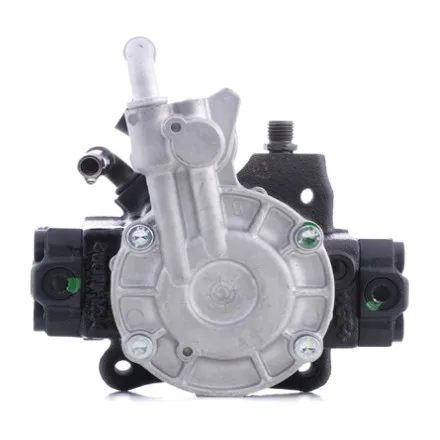
| High-pressure pump SIEMENS-VDO 5WS40836 | direct replacement for common failures | |
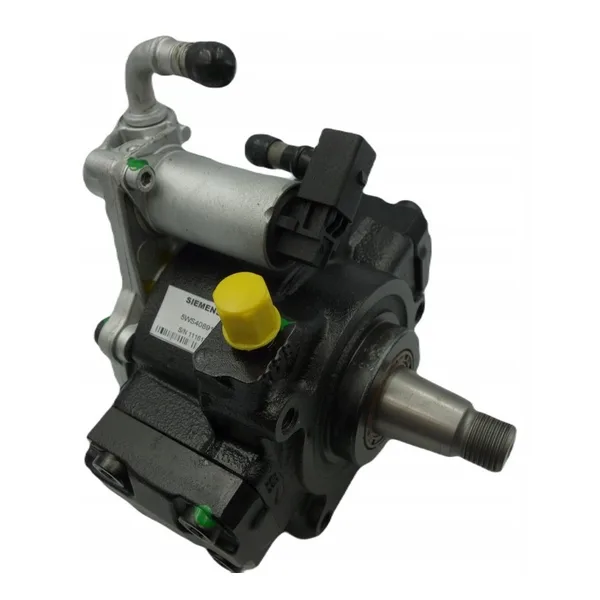
| High-pressure pump SIEMENS-VDO 5WS40891 | alternative for specific model years |
How to choose
Selecting the right high-pressure pump involves more than matching the OEM reference; consider packaging, storage conditions, and supplier reliability to ensure long-term performance.
- Opt for pumps packaged in sealed, moisture-resistant containers to prevent corrosion during storage or transport to the workshop.
- Choose suppliers with a documented rotation policy to avoid stocking outdated or overstocked units that may degrade over time.
- Prioritize pumps with clear traceability labels, allowing garages to document part origins for warranty or compliance purposes.
- Select references compatible with your most frequent motorizations to minimize the need for multiple part numbers in inventory.
- Verify the pump’s condition upon arrival, checking for physical damage or signs of improper storage that could affect performance.
- Ensure the supplier offers a core deposit system, enabling cost recovery when returning the old pump for recycling.
- For DIY owners, confirm the pump’s fitment by cross-referencing the engine code and vehicle model year before purchase.
Storage & logistics
High-pressure pumps must be stored in a climate-controlled environment, away from direct sunlight and humidity, to preserve their mechanical integrity. Garages should rotate stock regularly, using the oldest units first to prevent degradation of seals or internal components. Bulk packaging should remain intact until the point of use, with each box inspected for tampering or damage before opening. For long-term storage, consider vacuum-sealed bags to further protect against environmental factors. Always handle pumps with care, avoiding drops or impacts that could misalign internal components or damage the cartridge.
With over a decade of sourcing remanufactured engine components, our team has refined the process of identifying high-pressure pumps that meet the exacting standards of independent garages and DIY enthusiasts alike.— autoKUR team
Related categories
Browse our other ranges:
Useful references
For regulatory and sector references, see Reglement (UE) 461/2010 — pieces de rechange et garantie constructeur.