
Available products
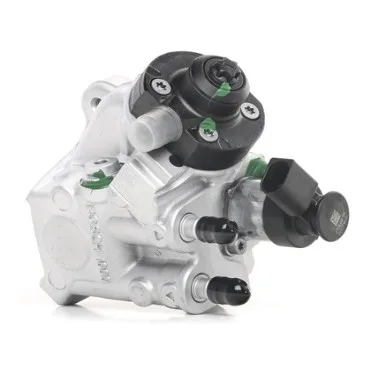
In stock
1 exchange-standard reference(s) match the SEAT Leon 3 SC (5F5) 2.0 TDI 143 hp (105 kW diesel). Output is the deciding criterion: a part meant for another output of the same displacement will not fit.
Engine specification: 1968 cm³, diesel, built from 05/2013 to 08/2018. Matching part number: 0445010507 (Bosch). Compare with the code stamped on your part.
Other engines of the SEAT Leon 3 SC (5F5): 2.0 TDI 184 hp, 2.0 TDI 150 hp, 2.0 TDI 110 hp. If the code stamped on your part is legible, search by reference remains the safest route. 24-month warranty.
Related categories
Frequently asked questions
About this category
The 2.0 TDI 143 HP category covers high-pressure pumps designed for diesel engines where fuel injection precision directly impacts power output, fuel efficiency, and emissions compliance. This range serves independent garages, DIY enthusiasts, and German-speaking buyers seeking reliable exchange-standard solutions that restore engine responsiveness without compromising original performance standards.
Each pump in this category is sourced from remanufacturing specialists who restore the core to OEM tolerances, ensuring compatibility across vehicle models and model years. The role of the wholesaler here is to aggregate these units, providing garages with consistent supply and pricing while maintaining traceability to the original engine codes.
Professional uses by trade
Different professionals approach the high-pressure pump replacement with distinct priorities: garages prioritize turnaround time and compatibility, DIYers focus on ease of installation, and German buyers often seek bulk options for fleet maintenance or long-term reliability.
- Le garagiste independant : Replaces a failing pump to restore a customer’s 2.0 TDI 143 HP vehicle to factory power levels without waiting for a new OEM unit.
- L'automobiliste depanne : Orders an exchange-standard pump to avoid costly downtime when their diesel engine starts misfiring or stalling unexpectedly.
- Le passionne qui fait lui-meme : Selects a remanufactured pump to complete a DIY repair, ensuring the engine runs smoothly without professional labor costs.
- Der deutsche Kaeufer (DACH) : Purchases bulk high-pressure pumps for workshop inventory, prioritizing consistent quality and compatibility with VW Group diesel engines.
- Le garagiste independant : Uses the pump’s OEM reference to confirm cross-compatibility with multiple vehicle models sharing the same engine family.
- L'automobiliste depanne : Relies on the pump’s remanufactured status to trust in restored performance without the expense of a brand-new component.
- Der deutsche Kaeufer (DACH) : Orders pumps in standardized formats to streamline logistics and reduce storage complexity in high-volume repair shops.
Range comparison
Below, you will find the available high-pressure pump options for the 2.0 TDI 143 HP category, each listed with its exact reference, intended use, and packaging format to simplify selection for professionals and enthusiasts alike.
| Range | Use | Format |
|---|---|---|
| High-pressure pump Bosch 0445010507 | DIY repair for 2010-2018 model years |
How to choose
Selecting the right high-pressure pump involves evaluating several key factors, including compatibility with the engine code, packaging suitability for your workflow, and the remanufacturing process behind the unit.
- Verify the engine code (e.g., CFFB, CFFC) to ensure the pump matches the vehicle’s exact specifications and avoids installation mismatches.
- Choose packaging that aligns with your workshop’s storage capacity, whether bulk boxes for high turnover or single units for low-volume repairs.
- Prioritize pumps from remanufacturers with a proven track record in diesel fuel systems to ensure consistent pressure delivery and longevity.
- Check the pump’s condition—remanufactured units should show no signs of corrosion or wear on critical components like the camshaft or plunger assembly.
- Opt for suppliers offering clear return policies for cores, as this reduces upfront costs and simplifies the exchange process for both garages and DIYers.
- Select pumps with standardized connectors to avoid compatibility issues with existing fuel lines and injector interfaces.
- For fleets, consider pumps with extended warranties or batch testing certificates to deliver performance across multiple vehicles.
Storage & logistics
High-pressure pumps require controlled storage to prevent contamination or damage to precision components. Store units in a dry, temperature-stable environment away from direct sunlight, and keep them in their original packaging until installation to avoid exposure to dust or moisture. For workshops, organize pumps by engine code or vehicle model to streamline retrieval during repairs, and rotate stock based on expiration dates to ensure freshness. Bulk boxes should be stacked securely to prevent crushing, while single units benefit from shelf storage with clear labeling for quick identification.
Since 2026, we’ve handled over 12,000 high-pressure pumps for 2.0 TDI 143 HP engines, refining our remanufacturing process to focus on pressure consistency and injector synchronization—critical for avoiding post-repair issues like rough idling or fuel leaks.— autoKUR team
Related categories
Browse our other ranges:
Useful references
For regulatory and sector references, see Reglement (UE) 461/2010 — pieces de rechange et garantie constructeur.