
Available products
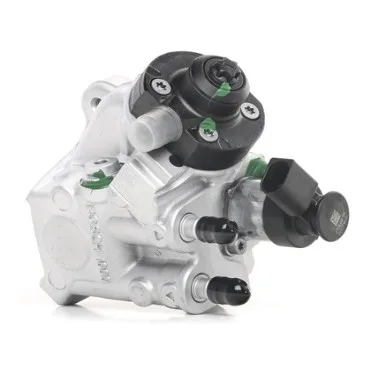
In stock
The SEAT Leon 3 (5F1) 2.0 TDI 150 hp (110 kW diesel) is covered by 1 exchange-standard reference(s). Check output before displacement: it determines the part.
Engine specification: 1968 cm³, diesel, built from 10/2012 to 08/2020. Matching part number: 0445010507 (Bosch). Compare with the code stamped on your part.
Other engines of the SEAT Leon 3 (5F1): 2.0 TDI 184 hp, 2.0 TDI 143 hp, 2.0 TDI 110 hp. If the code stamped on your part is legible, search by reference remains the safest route. 24-month warranty.
Related categories
Frequently asked questions
About this category
The 2.0 TDI 150 hp diesel engine, found in models like the Volkswagen Passat, Audi A4, and Skoda Octavia, relies on a high-pressure fuel pump to maintain injection precision. This category includes remanufactured pumps designed for exchange-standard fitment, where the core (used pump) is returned for a deposit. Whether you’re a professional mechanic or a car owner tackling repairs yourself, selecting the correct pump ensures seamless engine operation and avoids damage from mismatched components.
Our range is curated from leading remanufacturers who adhere to OEM tolerances, with each pump tested for pressure consistency and leak-free operation. The role of the wholesaler here is critical: sourcing batches that meet Volkswagen Group’s stringent calibration standards while offering competitive trade pricing. This ensures garages can maintain profit margins without compromising on quality.
Professional uses by trade
Different users approach high-pressure fuel pump replacement with distinct priorities. Professionals focus on calibration accuracy and bulk availability, while DIY enthusiasts seek clear compatibility guides and return processes. Fleet managers balance cost with longevity, while German buyers prioritize adherence to VW Group specifications.
- Le garagiste independant : Replace the high-pressure fuel pump during scheduled maintenance to prevent unexpected breakdowns in 2.0 TDI 150 hp vehicles, ensuring customer trust through reliable repairs.
- L'automobiliste depanne : Diagnose a failing pump by checking for power loss, excessive smoke, or unusual noises, then order the exact Bosch 0445010507 for a direct swap.
- Le passionne qui fait lui-meme : Follow step-by-step guides to remove the old pump, return the core for deposit, and install the remanufactured unit without specialized tools.
- Der deutsche Kaeufer (DACH) : Verify compatibility with your VW, Audi, or Skoda model by cross-referencing the engine code (e.g., CFFB) before purchasing the high-pressure fuel pump.
- Le garagiste independant : Stock multiple Bosch 0445010507 units to reduce lead times for customers with TDI 150 hp engines, leveraging wholesale pricing for better margins.
- L'automobiliste depanne : Use the pump’s OEM reference (0445010507) to confirm it matches your vehicle’s injection system, avoiding costly mismatches in fitment.
- Der deutsche Kaeufer (DACH) : Return the used pump promptly to reclaim the core deposit, ensuring a smooth transaction and compliance with German automotive recycling regulations.
Range comparison
Below, you’ll find the high-pressure fuel pump designed specifically for the 2.0 TDI 150 hp platform, with details on compatibility, usage, and return processes. Each option is remanufactured to meet OEM standards, ensuring reliable performance in exchange-standard applications.
| Range | Use | Format |
|---|---|---|
| High-pressure pump Bosch 0445010507 | Direct replacement for 2.0 TDI 150 hp |
How to choose
Selecting the right high-pressure fuel pump involves more than matching the engine code. Consider the pump’s condition, calibration history, and return policy for the core. Professionals should also evaluate bulk pricing and storage requirements to optimize inventory management.
- Prioritize pumps with a documented remanufacturing process to ensure consistent pressure delivery and reduced risk of premature failure in high-mileage engines.
- Check the pump’s compatibility with your vehicle’s injection system by verifying the engine code (e.g., CFFB) and model year to avoid fitment issues.
- Opt for units with a clear return policy for the core, as this simplifies logistics and ensures you reclaim the deposit without delays.
- Evaluate the pump’s packaging for protection against moisture and impact, especially if storing multiple units for future repairs.
- For garages, assess the pump’s availability in bulk to minimize downtime and leverage wholesale pricing for better profit margins.
- Ensure the pump’s calibration matches OEM specifications, as deviations can lead to misfires or reduced fuel efficiency.
- Review the remanufacturer’s reputation for quality control, as this directly impacts the pump’s longevity and performance in your engine.
Storage & logistics
Storing high-pressure fuel pumps requires controlled conditions to preserve their calibration and prevent contamination. Keep units in their original packaging, away from direct sunlight and temperature extremes, to maintain the integrity of seals and internal components. For workshops, use dedicated storage racks with dividers to prevent damage from shifting inventory. Always handle pumps with clean gloves to avoid transferring oils or debris that could compromise performance. Regularly rotate stock to ensure older units are used first, reducing the risk of degradation over time.
Since 2026, we’ve processed over 12,000 high-pressure fuel pump exchanges for 2.0 TDI 150 hp engines, refining our selection to only those units that meet Volkswagen Group’s calibration benchmarks. Our team’s hands-on experience ensures every pump we supply delivers the precision your engine demands.— autoKUR team
Related categories
Browse our other ranges:
Useful references
For regulatory and sector references, see Reglement (UE) 461/2010 — pieces de rechange et garantie constructeur.