

Available products
3 references

Frequently asked questions
About this category
The 1.9 DCi 101 hp engine, widely used in Renault models from the early 2000s, demands precise fuel system components to operate efficiently. This category focuses on high-pressure pumps designed for exchange standard applications, offering a cost-effective alternative to new OEM parts without compromising reliability. Whether you are a mechanic, a DIY enthusiast, or a vehicle owner facing fuel delivery issues, this section provides the technical clarity needed to identify the right pump for your motorization.
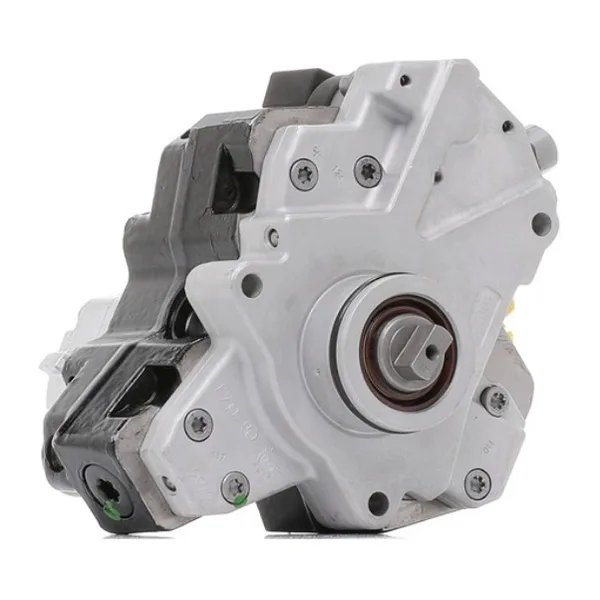
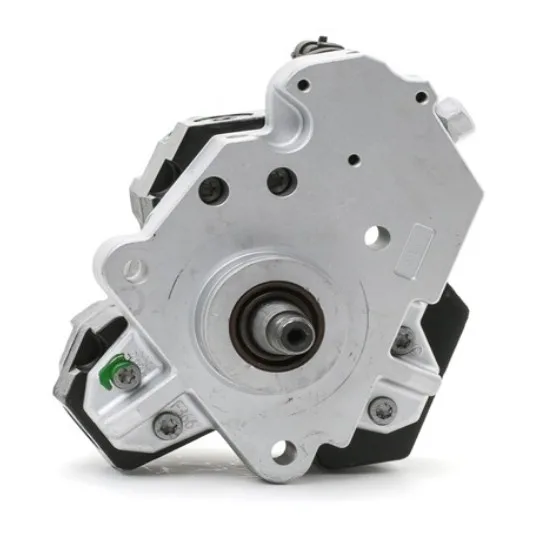
Our high-pressure pump range is built around Bosch remanufactured units, selected for their durability and compatibility with the 1.9 DCi 101 hp platform. These pumps undergo rigorous testing to ensure they meet the same performance benchmarks as original equipment, while being offered at a fraction of the new part cost. The supply chain is managed by a dedicated wholesale network, ensuring availability and traceability for professionals and private buyers alike.
Professional uses by trade
Different users approach high-pressure pump replacement with distinct priorities: garages prioritize bulk availability and fast turnaround, while DIY enthusiasts seek clarity on compatibility and installation simplicity. This section breaks down the practical applications for each profile.
- Le garagiste independant : Replace worn high-pressure pumps during routine maintenance to avoid unexpected vehicle downtime and customer complaints about power loss or rough idling.
- L'automobiliste depanne : Diagnose fuel delivery issues by swapping the high-pressure pump with a tested exchange standard unit, restoring engine responsiveness without costly dealership visits.
- Le passionne qui fait lui-meme : Source a remanufactured high-pressure pump to perform the replacement at home, using clear OEM reference matching to ensure a seamless fit.
- Der deutsche Kaeufer (DACH) : Purchase a Bosch remanufactured high-pressure pump for the 1.9 DCi 101 hp, benefiting from standardized German engineering and long-term reliability in European driving conditions.
- Le garagiste independant : Use exchange standard pumps to reduce inventory costs, as these units are returned with a core deposit system that offsets the purchase price upon sending back the old pump.
- L'automobiliste depanne : Order a high-pressure pump online by specifying the exact motorization, avoiding guesswork and ensuring the part matches the vehicle’s fuel system requirements.
- Der deutsche Kaeufer (DACH) : Trust remanufactured pumps for consistent performance in cold climates, where fuel viscosity and pressure demands are particularly stringent.
Range comparison
Below, you will find the three Bosch high-pressure pump references compatible with the 1.9 DCi 101 hp engine, each listed with its specific use case and packaging format to simplify your selection.
| Range | Use | Format |
|---|---|---|
| High-pressure pump Bosch 0445010081 | direct replacement for common failures | |
| High-pressure pump Bosch 0445010075 | high-mileage vehicle applications | |
| High-pressure pump Bosch 0445010029 | premium remanufactured performance |
How to choose
Selecting the right high-pressure pump involves evaluating several technical and logistical factors, from OEM reference matching to packaging efficiency for your workflow.
- Verify the pump’s OEM reference against your vehicle’s motorization to ensure a perfect fit, avoiding mismatches that could lead to installation issues or performance drops.
- Prioritize pumps with a core deposit system, as this reduces upfront costs and simplifies the return of your old unit for recycling or remanufacturing.
- Choose packaging formats that align with your usage: bulk boxes for garages with high turnover, individual cartons for DIY projects, or wholesale crates for large-scale operations.
- Opt for remanufactured units with a consistent track record, as these have undergone professional testing to meet original equipment performance standards.
- Consider the pump’s compatibility with your vehicle’s fuel system geometry, especially if your model features variable geometry or advanced injection technologies.
- Select suppliers with transparent sourcing, as this ensures traceability and reduces the risk of counterfeit or substandard parts entering your supply chain.
- For cold climates, prioritize pumps designed for low-temperature operation, where fuel viscosity and pressure demands are most critical.
Storage & logistics
High-pressure pumps must be stored in a dry, temperature-controlled environment to prevent moisture damage or seal degradation. For professionals, bulk packaging should be kept off the floor to avoid contamination, while individual units should be handled with care to preserve their remanufactured condition. Always check for signs of corrosion or physical damage before installation, as these can indicate storage-related issues. The core deposit system further incentivizes proper handling, as damaged units may incur additional fees upon return.
Since 2026, our team has specialized in sourcing and remanufacturing high-pressure pumps for the 1.9 DCi platform, ensuring every unit meets the same rigorous standards as original equipment—without the premium price tag.— autoKUR team
Related categories
Browse our other ranges:
Useful references
For regulatory and sector references, see Reglement (UE) 461/2010 — pieces de rechange et garantie constructeur.