

Available products
2 references

Frequently asked questions
About this category
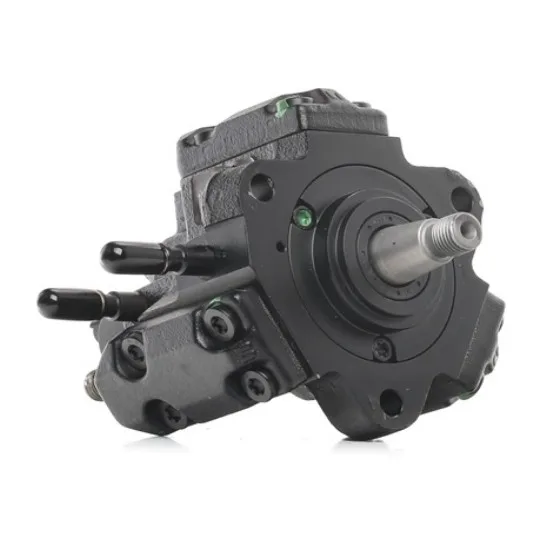
This category covers high-pressure pumps designed for the Renault 1.9 DCi 102 hp diesel engine, a motorization widely used in commercial vehicles and passenger cars from the early 2000s to mid-2010s. These pumps regulate fuel delivery to injectors at pressures exceeding 1,500 bar, making them essential for engine performance, fuel efficiency, and emissions compliance. Whether you’re a professional mechanic or a DIY enthusiast, finding a compatible replacement is critical to restoring your vehicle’s power and reliability.
The range is built around core components sourced from leading manufacturers, with each pump undergoing a standardized remanufacturing process to meet original equipment standards. Wholesale suppliers play a key role in distributing these parts, ensuring workshops and private buyers access high-quality replacements without delays or unnecessary markup. The focus remains on compatibility, durability, and ease of installation, regardless of the vehicle’s age or mileage.
Professional uses by trade
Different users approach high-pressure pump replacement with distinct priorities: professionals prioritize speed and precision, while DIYers value clarity and cost control. Each group benefits from understanding how these pumps function and what to look for when selecting a replacement.
- Le garagiste independant : Replace a failing pump during a routine service to avoid costly breakdowns, using a remanufactured unit that matches the vehicle’s exact motorization and power output.
- L'automobiliste depanne : Diagnose a loss of power or excessive smoke by testing the pump’s pressure output before ordering a replacement to restore engine performance.
- Le passionne qui fait lui-meme : Source a high-pressure pump with clear OEM references to ensure a direct fit, then follow a step-by-step guide to avoid common installation pitfalls.
- Der deutsche Kaeufer (DACH) : Verify the pump’s compatibility with the vehicle’s engine code and model year, ensuring it meets local emissions standards and workshop expectations.
- Le garagiste independant : Stock a range of pumps for common Renault 1.9 DCi variants to reduce lead times and maintain customer trust during busy periods.
- L'automobiliste depanne : Check for symptoms like hard starting or uneven idle, which often point to a failing high-pressure pump requiring immediate attention.
- Der deutsche Kaeufer (DACH) : Confirm the pump’s remanufacturing status and warranty terms before purchase, prioritizing parts that align with professional repair standards.
Range comparison
Below are the high-pressure pumps available for the Renault 1.9 DCi 102 hp, listed with their exact references and key attributes to simplify selection.
| Range | Use | Format |
|---|---|---|
| High-pressure pump Bosch 0445010075 | direct replacement for 1.9 DCi 102 hp | |
| High-pressure pump Bosch 0445010018 | alternative for high-mileage engines |
How to choose
Selecting the right high-pressure pump involves more than matching the reference; it requires evaluating condition, compatibility, and supplier reliability to ensure long-term performance.
- Prioritize pumps labeled as remanufactured to ensure they meet original equipment standards without hidden defects or premature wear.
- Check the pump’s packaging for seals or tamper-evident labels, which indicate it has not been tampered with during storage or transit.
- Verify the pump’s compatibility with your vehicle’s engine code and model year, even if the power output matches closely.
- Opt for suppliers with a track record of fast, reliable deliveries to avoid unnecessary downtime in a professional setting.
- Inspect the pump’s exterior for corrosion or damage, as these can signal internal issues that may not be immediately apparent.
- Confirm the pump’s rotation direction and mounting orientation to prevent installation errors that could damage the engine.
- Request documentation or a warranty statement from the supplier to protect against defects or mismatches in critical applications.
Storage & logistics
High-pressure pumps must be stored in a dry, temperature-controlled environment to prevent moisture damage or seal degradation. For professional workshops, vertical storage on shelves with dividers minimizes the risk of impact damage, while bulk boxes should remain sealed until use to avoid contamination. Avoid stacking heavy items on top of pump housings, as this can distort critical surfaces. Regular inventory checks ensure older stock is rotated first, maintaining freshness and reliability. Always handle pumps with clean gloves to prevent oil residue or dirt from compromising performance during installation.
With over a decade of experience in diesel engine components, our team has seen how a single high-pressure pump failure can cascade into major repairs—choosing the right replacement isn’t just about cost, it’s about restoring confidence in every engine we touch.— autoKUR team
Related categories
Browse our other ranges:
Useful references
For regulatory and sector references, see Reglement (UE) 461/2010 — pieces de rechange et garantie constructeur.