

Available products
2 references
Frequently asked questions
About this category
The high-pressure pump category serves a dual audience: professional mechanics who need reliable, cost-effective replacements for diesel engines, and DIY enthusiasts tackling repairs themselves. Here, you’ll find remanufactured pumps designed to restore fuel delivery precision, addressing common symptoms like power loss, excessive smoke, or rough idling. These parts are selected for their role in maintaining engine performance across a broad spectrum of vehicles, from compact cars to commercial fleets.
This range is built around the principle of exchange standard remanufacturing, where worn components are restored to near-original specifications through rigorous processes. The pumps listed here are sourced from reputable suppliers, ensuring that each unit meets the functional demands of modern diesel engines. The role of the wholesaler is pivotal, as it bridges the gap between manufacturer-grade quality and the practical needs of garages and private buyers.
Professional uses by trade
Different users approach high-pressure pump replacement with distinct priorities: garages focus on efficiency and compatibility, while DIYers seek clarity and ease of installation. This section breaks down how each group leverages these parts to resolve engine issues.
- Le garagiste independant : Replaces a failing pump in a Renault Scenic 3 1.5 dCi 110 to restore smooth acceleration and reduce black smoke emissions during city driving.
- Le garagiste independant : Diagnoses a loss of power in a Peugeot 308 1.6 HDi by testing the pump’s pressure output before selecting a remanufactured unit for immediate replacement.
- L'automobiliste depanne : Purchases a pump for a Volkswagen Golf 2.0 TDI to address a sudden drop in fuel efficiency and persistent engine hesitation on highways.
- L'automobiliste depanne : Swaps out a faulty pump in a Ford Focus 1.8 TDCi to eliminate rough idling and improve overall drivability without visiting a dealership.
- Le passionne qui fait lui-meme : Sources a pump for a BMW 320d to tackle a persistent misfire, ensuring the engine runs smoothly after a weekend of hands-on work.
- Le passionne qui fait lui-meme : Installs a remanufactured pump in a Mercedes C-Class 220 CDI to resolve a long-standing issue of excessive white smoke from the exhaust.
- Der deutsche Kaeufer (DACH) : Orders a pump for an Audi A4 2.0 TDI to restore factory-like performance after noticing a noticeable lag in throttle response during overtaking.
Range comparison
Below, you’ll find a curated selection of high-pressure pumps, each listed with its exact reference to ensure seamless compatibility with your vehicle’s motorization. These units are presented in a standardized format for easy comparison.
| Range | Use | Format |
|---|---|---|
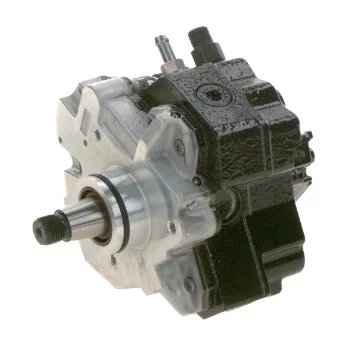
| High-pressure pump Bosch 0445010094 | direct fit for common diesel engines | |
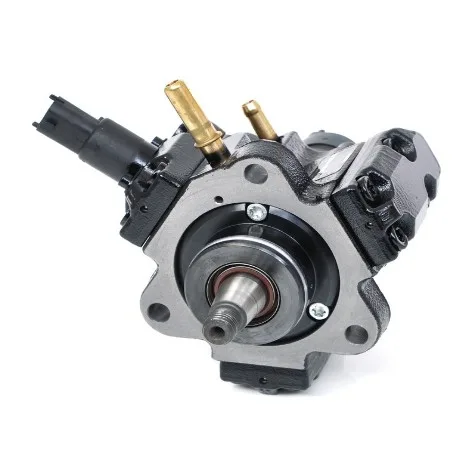
| High-pressure pump Bosch 0445020002 | heavy-duty applications |
How to choose
Selecting the right high-pressure pump involves evaluating several key factors, from compatibility to post-installation reliability. This section outlines the criteria that matter most to professionals and DIYers alike.
- Verify the pump’s compatibility with your vehicle’s motorization by cross-referencing the OEM reference and engine code to avoid mismatches.
- Inspect the pump’s condition for signs of wear, such as corrosion or damaged fittings, to ensure it meets the standards of a remanufactured unit.
- Check the packaging for protective seals and anti-static measures, which safeguard the pump during transit and storage.
- Assess the supplier’s return policy and core deposit terms, as these can impact the overall cost and convenience of the exchange.
- Evaluate the pump’s pressure rating and flow capacity to confirm it matches the engine’s original specifications for optimal performance.
- Review the remanufacturing process details, such as cartridge replacement or CHRA refurbishment, to gauge the part’s expected longevity.
- Consider the pump’s availability in bulk for garages, as consistent stock levels streamline repair workflows and reduce downtime.
Storage & logistics
For garages and wholesalers, proper storage of high-pressure pumps is essential to preserve their functionality until installation. These units should be kept in a climate-controlled environment, away from moisture and extreme temperatures, to prevent seal degradation or internal corrosion. Regular inventory rotation ensures that older stock is used first, maintaining the integrity of the supply chain. When handling, avoid dropping or jarring the pump, as internal components like the camshaft or plunger may be sensitive to impact. For long-term storage, protective caps should be placed over inlet and outlet ports to block contaminants. Additionally, storing pumps in their original packaging or anti-static bags adds an extra layer of protection against electrostatic discharge, which can damage sensitive electronic or mechanical parts.
Since 2026, our team has focused on sourcing high-pressure pumps that meet the exacting standards of diesel engines, ensuring each unit delivers the precision and durability our customers demand.— autoKUR team
Related categories
Browse our other ranges:
Useful references
For regulatory and sector references, see Reglement (UE) 461/2010 — pieces de rechange et garantie constructeur.