

Available products
3 references

Frequently asked questions
About this category
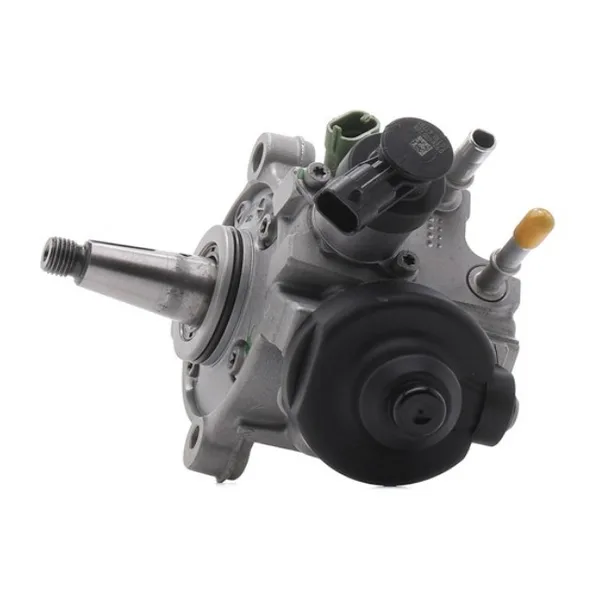
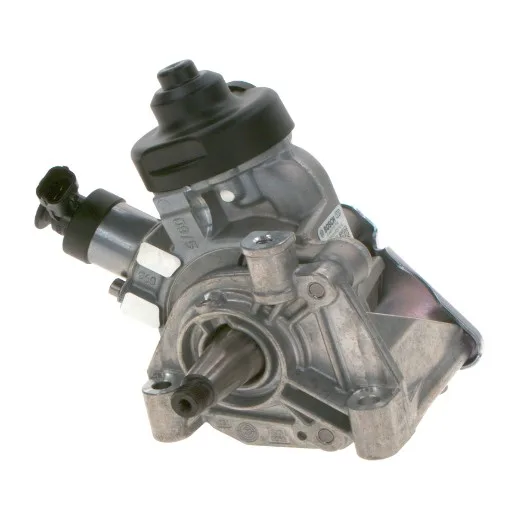
The 1.5 dCi 75 hp diesel engine, widely used in Renault models from the mid-2000s onward, relies on a high-pressure pump to deliver fuel at the correct pressure for combustion. This category covers remanufactured pumps designed for exchange-standard fitment, ensuring compatibility with vehicles like the Scénic, Clio, and Kangoo. Whether you’re a mechanic sourcing parts for a client’s car or a car owner tackling repairs yourself, these pumps restore lost performance without the cost of a new unit.
High-pressure pumps in this range are sourced from specialist remanufacturers who rebuild units to OEM standards, using tested components and calibrated tolerances. The role of the wholesaler is to provide these pumps in bulk packaging, ensuring garages can access the right reference without waiting for direct orders from manufacturers, which often involve minimum quantities or long lead times.
Professional uses by trade
Different users approach high-pressure pump replacement with distinct priorities: garages need efficiency and reliability, car owners seek cost-effective solutions, and DIY enthusiasts value compatibility and ease of installation. Each group benefits from pumps designed for exchange-standard fitment, reducing downtime and repair costs.
- Le garagiste independant : Replaces worn pumps in Renault 1.5 dCi 75 hp engines to restore fuel delivery precision and avoid repeat complaints from customers.
- L'automobiliste depanne : Orders a remanufactured pump to fix a sudden loss of power or excessive smoke without the expense of a new OEM unit.
- Le passionne qui fait lui-meme : Sources a pump with clear OEM references to ensure a direct fit during a DIY repair session.
- Der deutsche Kaeufer (DACH) : Seeks bulk-packaged pumps for workshop use, prioritizing compatibility with Renault models sold in the German market.
- Le garagiste independant : Uses pumps with tested calibration to avoid post-installation issues like misfires or pressure drops in the injection system.
- L'automobiliste depanne : Prefers exchange-standard pumps to minimize labor costs while ensuring the engine runs smoothly again.
- Der deutsche Kaeufer (DACH) : Relies on pumps labeled for Renault’s 1.5 dCi 75 hp to maintain consistency in repair workflows across multiple vehicles.
Range comparison
Below are the high-pressure pump references available for Renault’s 1.5 dCi 75 hp engines, each designed for exchange-standard fitment and sourced from reputable remanufacturers.
| Range | Use | Format |
|---|---|---|
| Pompe haute pression Bosch 0445010530 | Direct fit for Scénic 3 1.5 dCi | |
| Pompe haute pression Bosch 0445010704 | Compatible with Clio 3 1.5 dCi |
How to choose
Selecting the right high-pressure pump involves checking compatibility with your vehicle’s engine code, ensuring the pump’s condition meets workshop standards, and verifying packaging for bulk handling.
- Verify the engine code (e.g., K9K) to confirm the pump’s compatibility with your Renault 1.5 dCi 75 hp model year and variant.
- Inspect the pump’s condition for signs of wear or corrosion, as remanufactured units should show no visible damage to the housing or connectors.
- Check the packaging for bulk handling suitability, especially if ordering for a professional workshop with high turnover rates.
- Ensure the pump’s calibration matches OEM specifications to avoid pressure inconsistencies after installation.
- Confirm the pump’s reference number aligns with your vehicle’s OEM part list to prevent mismatches during fitment.
- Prioritize pumps from brands with a track record in diesel injection systems, as reliability is critical for long-term performance.
- For DIY users, choose pumps with clear installation guides or video tutorials to simplify the replacement process.
Storage & logistics
High-pressure pumps must be stored in a dry, temperature-controlled environment to prevent moisture damage to seals and connectors. For professional workshops, bulk packaging should be kept on shelves with minimal handling to avoid accidental drops or impacts that could compromise the pump’s internal components. Always check the pump’s condition upon receipt, as any signs of leakage or deformation indicate a need for return or replacement. Warehouses should rotate stock based on first-in-first-out principles to ensure older units are used before newer deliveries, maintaining freshness and reliability.
Since 2026, our team has specialized in sourcing remanufactured high-pressure pumps that meet the exacting standards of Renault’s 1.5 dCi 75 hp engines, ensuring garages and car owners receive products that restore performance without compromise.— autoKUR team
Related categories
Browse our other ranges:
Useful references
For regulatory and sector references, see Reglement (UE) 461/2010 — pieces de rechange et garantie constructeur.