

Available products
2 references
Frequently asked questions
About this category
The 1.5 dCi 106 hp diesel engine, widely used in Renault models from the mid-2000s onward, relies on a high-pressure pump to deliver precise fuel delivery under demanding conditions. This category covers exchange-standard pumps designed to replace worn or failing units, restoring the engine’s original performance without the expense of a new OEM part. Whether you are a mechanic sourcing for a repair shop or a DIY enthusiast tackling a breakdown, these pumps are engineered to match the engine’s exact tolerances and operational demands.
Each pump in this range is selected from remanufactured stock, where core components are reconditioned to factory specifications before reassembly. The process ensures compatibility with the 1.5 dCi 106 hp’s fuel system, including its common-rail architecture and variable geometry injectors. Suppliers like SIEMENS-VDO provide the technical backbone, while exchange-standard models reduce costs by leveraging reusable housings and validated cartridges, making them a practical choice for both professionals and private owners.
Professional uses by trade
Different users approach the 1.5 dCi 1.06 hp high-pressure pump exchange with distinct priorities, whether it’s minimizing downtime in a busy workshop or ensuring a reliable fit for a weekend project. Mechanics prioritize calibration and traceability, while DIYers focus on ease of installation and cost efficiency.
- Le garagiste independant : Replaces a failing pump in a Renault Clio or Megane with the 1.5 dCi 106 hp to avoid extended vehicle downtime during peak service periods.
- L'automobiliste depanne : Orders an exchange-standard pump to resolve a sudden loss of power or excessive smoke from the exhaust on a weekend trip.
- Le passionne qui fait lui-meme : Sources a remanufactured pump to complete a DIY repair, ensuring the engine returns to optimal fuel delivery without professional labor costs.
- Der deutsche Kaeufer (DACH) : Seeks a high-pressure pump with clear OEM equivalences for a Renault Trafic or Kangoo, prioritizing compatibility with local workshop standards.
- Le garagiste independant : Uses exchange pumps to maintain a rotating stock of critical components, reducing lead times for common diesel engine repairs.
- L'automobiliste depanne : Selects a pump with a known core deposit system to simplify the return of the old unit and avoid additional fees.
- Der deutsche Kaeufer (DACH) : Prefers pumps labeled for the 1.5 dCi 106 hp with documented remanufacturing processes to ensure long-term reliability in cold climates.
Range comparison
Below, you will find the two exchange-standard high-pressure pumps validated for the 1.5 dCi 106 hp, each listed with its exact reference and primary use case to guide your selection.
| Range | Use | Format |
|---|---|---|
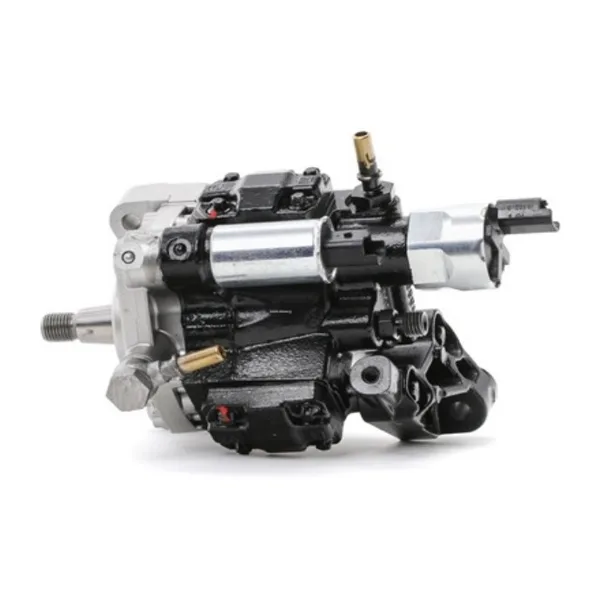
| High-pressure pump SIEMENS-VDO 5WS40153 | Direct fit for Renault models with 1.5 dCi 106 hp | |
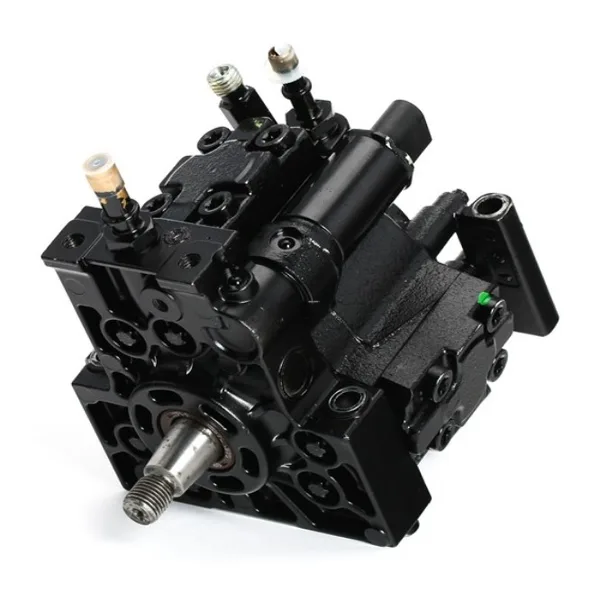
| High-pressure pump SIEMENS-VDO 5WS40157 | Compatible with 1.5 dCi 106 hp variants in vans and SUVs |
How to choose
Selecting the right pump for the 1.5 dCi 106 hp involves evaluating several technical and logistical factors, from packaging to post-installation performance.
- Verify the pump’s OEM reference against your engine’s build code to ensure a seamless fit without additional machining or adapters.
- Check the packaging for protective seals and desiccant to confirm the pump has been stored in a controlled environment before delivery.
- Prioritize pumps with a documented remanufacturing history, including cartridge replacement and pressure calibration tests.
- Confirm the core deposit system is clearly outlined to avoid unexpected fees when returning the old pump for recycling.
- Assess the supplier’s rotation policy for exchange-standard units to deliver fresh stock and reduce the risk of hidden wear.
- Ensure the pump’s specifications align with your region’s fuel quality standards, particularly for diesel with varying sulfur content.
- For bulk orders, request batch traceability to track each unit’s origin and remanufacturing batch for quality assurance.
Storage & logistics
Exchange-standard high-pressure pumps for the 1.5 dCi 106 hp must be stored in a dry, temperature-controlled environment to prevent moisture ingress or seal degradation. Bulk buyers should rotate stock regularly, placing newer arrivals at the back of storage racks to adhere to first-in-first-out principles. Avoid stacking pumps vertically or exposing them to direct sunlight, as pressure sensors and cartridges can be sensitive to thermal stress. For workshops, designate a dedicated shelf with clear labeling to separate exchange-standard units from new OEM parts, reducing the risk of misplacement during busy repair schedules.
Since 2026, we’ve refined our sourcing for the 1.5 dCi 106 hp pumps, focusing on remanufactured units that meet the engine’s exacting tolerances without the premium of a new part. Our team validates each pump’s calibration against Renault’s technical data, ensuring it delivers consistent performance from the first ignition cycle.— autoKUR team
Related categories
Browse our other ranges:
Useful references
For regulatory and sector references, see Reglement (UE) 461/2010 — pieces de rechange et garantie constructeur.