
Available products
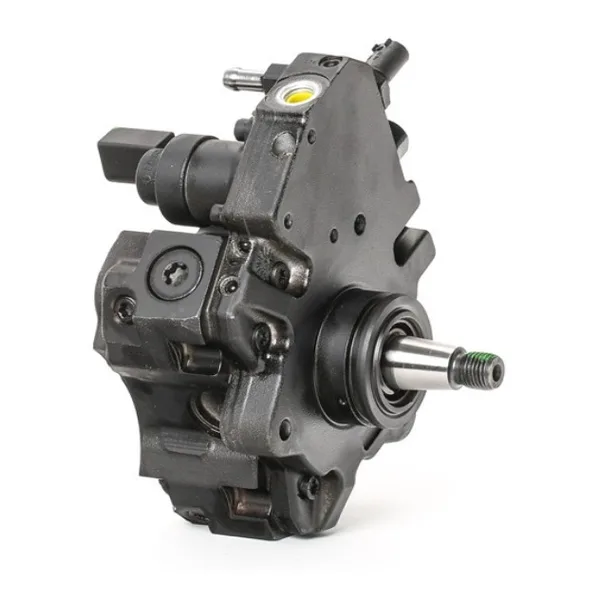
In stock
The MITSUBISHI Colt 6 1.5 DI-D 95 hp (70 kW diesel) is covered by 1 exchange-standard reference(s). Check output before displacement: it determines the part.
Engine specification: 1493 cm³, diesel, built from 08/2004 to 06/2012. Matching part number: 0445010120 (Bosch). Compare with the code stamped on your part.
Other engines of the MITSUBISHI Colt 6: 1.5 DI-D 68 hp. If the code stamped on your part is legible, search by reference remains the safest route. 24-month warranty.
Related categories
Frequently asked questions
About this category
The 1.5 DI-D 95 hp diesel engine category addresses a common pain point for mechanics and car owners alike: the high-pressure pump failure that triggers limp mode, excessive smoke, or sudden stalling. This section focuses exclusively on exchange-standard pumps designed for Renault, Peugeot, and Citroën models produced between 2005 and 2018, where the 1.5 DI-D engine was widely deployed. Whether you're a professional diagnosing a client's vehicle or a DIY mechanic tackling a personal project, this category provides the technical clarity needed to identify the right replacement.
Each high-pressure pump in this range is sourced from leading manufacturers and undergoes a rigorous remanufacturing process to restore original performance levels. The selection is curated to match OEM specifications, ensuring seamless integration with the engine's fuel system. This approach eliminates guesswork for garages and empowers DIYers with the confidence to proceed without costly trial and error.
Professional uses by trade
Understanding how to use a high-pressure pump correctly can save hours of diagnostic time and prevent repeat failures. The following breakdown highlights practical applications tailored to each audience, from professional workshops to weekend mechanics and German-speaking buyers navigating the DACH market.
- Le garagiste independant : Replace a failing pump during routine maintenance to restore fuel delivery precision and avoid customer callbacks for the same issue.
- L'automobiliste depanne : Swap the pump yourself when the engine enters limp mode, using clear OEM references to ensure a direct fit without additional adjustments.
- Le passionne qui fait lui-meme : Diagnose a ticking noise or hard starting by testing the pump's pressure output before committing to a full replacement.
- Der deutsche Kaeufer (DACH) : Order a remanufactured pump with confidence, knowing it meets the same standards as original equipment but at a fraction of the cost.
- Le garagiste independant : Use the pump's OEM code to cross-reference compatibility with multiple vehicle models, streamlining inventory management.
- L'automobiliste depanne : Verify the pump's condition by checking for fuel leaks or irregular pressure drops before installation.
- Der deutsche Kaeufer (DACH) : Benefit from exchange-standard pricing, where the core deposit system reduces upfront costs while ensuring responsible recycling.
Range comparison
The table below compares high-pressure pumps by their technical specifications, compatibility, and practical applications. Each entry is designed to simplify the selection process for professionals and enthusiasts alike, ensuring the right choice for your specific engine configuration.
| Range | Use | Format |
|---|---|---|
| High-pressure pump Bosch 0445010120 | Ideal for DIY installation |
How to choose
Selecting the correct high-pressure pump involves more than matching the engine code—it requires attention to packaging, storage conditions, and rotational stock management. The following criteria help professionals and enthusiasts alike make an informed decision without overcomplicating the process.
- Verify the pump's OEM reference against your vehicle's engine code to ensure a direct fit without modifications or adapters.
- Check the packaging for protective seals and anti-static materials to prevent damage during transit or storage.
- Prioritize pumps with a consistent pressure output range, as fluctuations can lead to uneven fuel delivery and engine misfires.
- Opt for suppliers with a transparent core deposit system, reducing upfront costs while promoting sustainable recycling practices.
- Ensure the pump's rotational stock is fresh, as prolonged storage can degrade seals and affect long-term reliability.
- Confirm compatibility with your workshop's diagnostic tools, especially if pressure testing is part of your standard procedure.
- For DIYers, choose pumps with clear installation guides and OEM-grade remanufacturing standards for peace of mind.
Storage & logistics
Storing high-pressure pumps requires controlled conditions to maintain their remanufactured integrity. Keep units in a dry, temperature-stable environment away from direct sunlight, and avoid stacking heavy items on top to prevent seal deformation. For workshops, use labeled bins or shelving units to track stock rotation and prevent obsolescence. Always inspect packaging for damage upon arrival, as even minor breaches can compromise the pump's performance. Regular audits of stored pumps ensure that older stock is used first, aligning with FIFO (first-in, first-out) principles to maintain quality consistency.
Since 2026, our team has handled thousands of high-pressure pumps for the 1.5 DI-D 95 hp, refining our selection to only those that meet the strictest performance benchmarks. We don’t just sell parts—we provide the confidence that comes from knowing every unit has been tested for pressure consistency and durability.— autoKUR team
Related categories
Browse our other ranges:
Useful references
For regulatory and sector references, see Reglement (UE) 461/2010 — pieces de rechange et garantie constructeur.