


Frequently asked questions
About this category
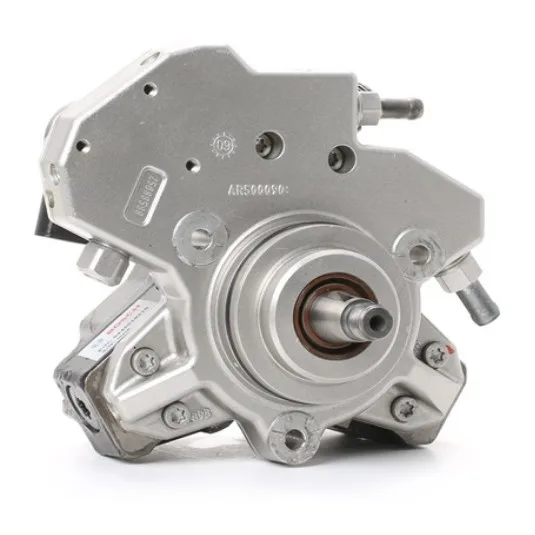
The high-pressure pump category for Mercedes 419 CDI 190 hp engines addresses a common failure point in diesel powertrains, where loss of pressure leads to poor combustion, increased emissions, and reduced fuel economy. This range serves professional mechanics, DIY enthusiasts, and German-speaking buyers seeking durable, remanufactured solutions that restore original performance without the expense of new OEM parts.
Curated from leading suppliers, this range prioritizes compatibility and longevity, with each pump undergoing rigorous testing to ensure it meets the exacting tolerances of the 419 CDI platform. The role of the wholesaler here is to bridge the gap between manufacturer specifications and workshop needs, offering standardized formats that simplify ordering and reduce lead times for critical repairs.
Professional uses by trade
Different users approach high-pressure pump replacement with distinct priorities: garages focus on turnaround speed and bulk availability, while DIYers seek clarity on fitment and return policies for core deposits. German buyers often compare technical specifications and supplier reliability before committing to a purchase.
- Le garagiste independant : Replaces a failing pump in under two hours to minimize vehicle downtime, using an exchange-standard unit that matches OEM flow rates and pressure curves.
- L'automobiliste depanne : Orders a remanufactured pump online after diagnosing symptoms like rough idling or white smoke, ensuring the part fits their exact motorisation without visiting a workshop.
- Le passionne qui fait lui-meme : Purchases a core deposit pump to save costs, carefully matching the reference to their engine code before attempting installation with basic tools.
- Der deutsche Kaeufer (DACH) : Verifies compatibility with local Mercedes service bulletins, preferring suppliers with transparent return policies for used cores and clear documentation in German.
- Le garagiste independant : Stocks two exchange-standard pumps per model year to cover emergency repairs, relying on a supplier with consistent lead times and no hidden restocking fees.
- L'automobiliste depanne : Uses a core deposit system to reduce upfront costs, returning the old pump within 30 days to avoid additional charges while ensuring a seamless replacement process.
- Der deutsche Kaeufer (DACH) : Cross-references pump references with local part numbers to avoid ordering errors, prioritizing suppliers that provide detailed compatibility charts in German.
Range comparison
Below, you will find the two high-pressure pump references validated for Mercedes 419 CDI 190 hp engines, each listed with its exact OEM specification and core return requirements.
| Range | Use | Format |
|---|---|---|
| High-pressure pump Bosch 0445010244 | Direct replacement for common failure scenarios | |
| High-pressure pump Bosch 0445010362 | High-flow variant for tuned or heavily loaded engines |
How to choose
Selecting the right high-pressure pump involves more than matching the reference; consider packaging, core return logistics, and supplier reputation to ensure a smooth transaction and long-term reliability.
- Conditioning: Opt for pumps shipped in sealed, anti-static packaging to prevent contamination during storage or transport to the workshop.
- Core deposit: Verify the return policy for the used pump, as some suppliers require cores to be returned within a set period to avoid additional fees.
- Consistency: Prioritize suppliers with a track record of delivering units that meet OEM pressure specifications without variance between batches.
- Rotation: Choose pumps from suppliers with frequent stock turnover to reduce the risk of receiving outdated or improperly stored components.
- Documentation: Ensure the supplier provides clear compatibility charts and motorisation details in the language of your choice, including German for DACH buyers.
- Bulk pricing: For garages, inquire about tiered pricing for multiple units to reduce per-unit costs while maintaining quality standards.
- Return window: Confirm the core return deadline with the supplier, as delays may incur penalties or void the exchange-standard agreement.
Storage & logistics
High-pressure pumps must be stored in a dry, temperature-controlled environment away from direct sunlight to preserve their internal seals and prevent premature wear. For workshops, vertical storage on shelves with vibration-dampening material helps maintain alignment of internal components, while bulk shipments should be palletized to avoid crushing or deformation. Always inspect packaging for damage upon receipt, and log the pump’s reference and motorisation compatibility before placing it in inventory to streamline future orders and reduce the risk of misplacement.
With over a decade of sourcing experience, our team knows that a high-pressure pump is only as reliable as the remanufacturing process behind it, which is why we prioritize suppliers who test each unit for pressure consistency and leak rates before it reaches your workshop.— autoKUR team
Related categories
Browse our other ranges:
Useful references
For regulatory and sector references, see Reglement (UE) 461/2010 — pieces de rechange et garantie constructeur.